
Listed as a UNESCO World Heritage Site, The Great Spa Towns of Europe comprise a collection of 11 spa towns that boast a storied past. In the 18th, 19th and 20th centuries, European physicians often told their patients to “take to the waters” of a spa town with natural spring waters. Thus, European spa culture arose as a coveted retreat.
Located near capital cities, but nestled in therapeutic spa landscape, The Great Spa Towns of Europe developed around natural sources of ‘curative’ spring water as grand, fashionable resorts. The town’s urban design created a healing setting, while casinos, opera houses, theatres and music halls provided the most world-class entertainment for spa visitors.
In its heyday, approximately 600 major European spa towns popped up across the continent. Each featured iconic resorts, pump rooms, drinking halls, stunning architecture, curated gardens, and world-class spa facilities.
The Great Spa Towns of Europe
Today, only a handful of spa towns remain in their original form – those are inscribed as part of The Great Spa Towns of Europe, as the crème de la crème of Europe’s spa culture. Below are those towns, worthy of visiting for their glamorous facilities and picturesque settings.
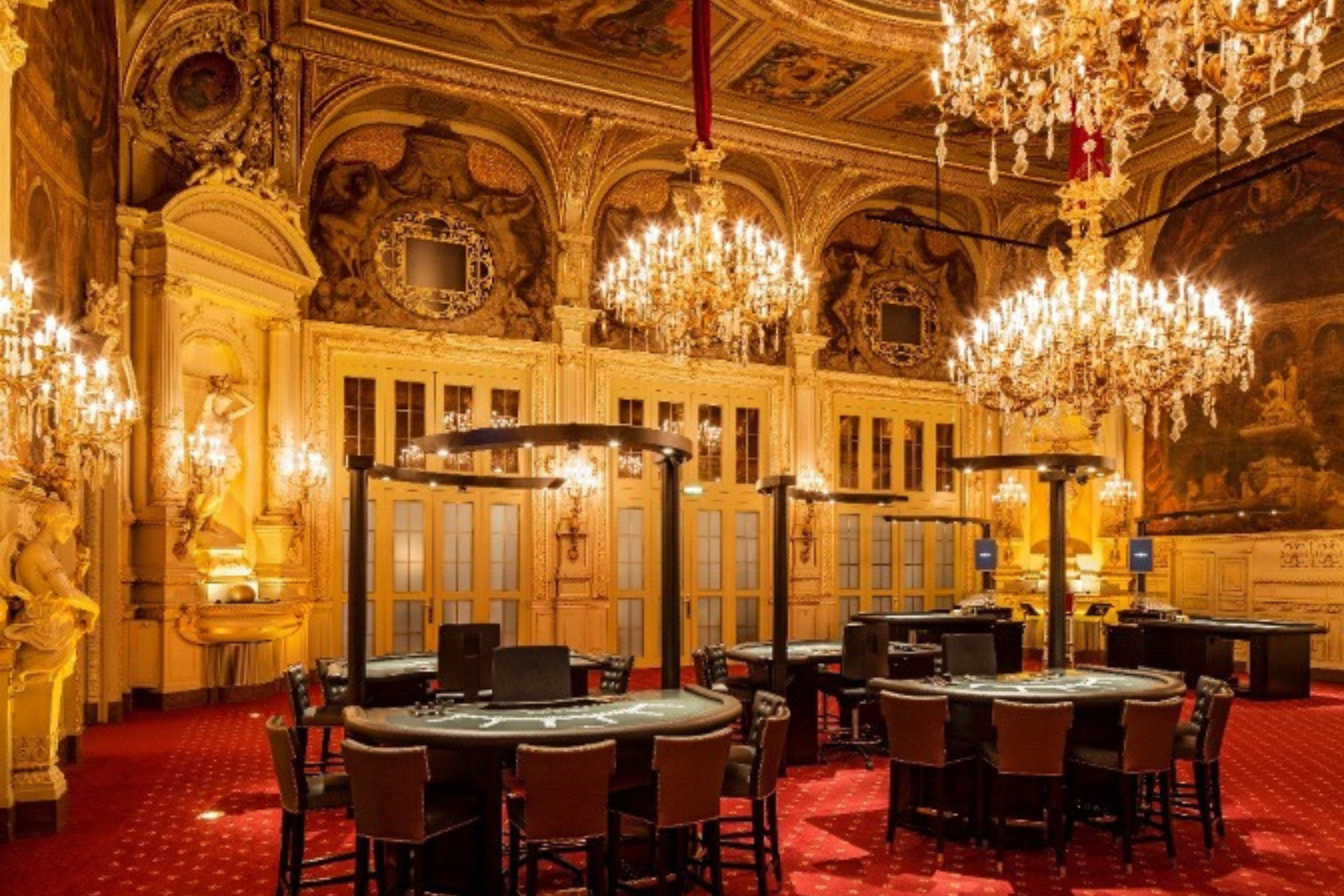
Baden-Baden, Germany | Summer Capital of Europe
Baden-Baden is perhaps one of the most renowned spa towns of Europe. The Roman emperor Caracalla stumbled upon its natural spring waters almost 2,000 years ago, and Roman soldiers used its waters to heal their injuries. The town, meaning “bathing” in German, has since transformed into one of Europe’s most glamorous resort destinations.
Nestled beside the Black Forest, spa offerings range from the historic Friedrichsbad, which combines Roman and Irish bathing cultures among marble and mosaics, to the Caracalla Spa, a modern glass temple to balneology.
As such, its Black Forest setting, historic Kurhaus spa and the glamourous Casino Baden-Baden continue to attract celebrities and VIPs from around the globe. Yet bathing is not the only attraction in the region. Nearby is Festspielhaus, Germany’s biggest opera house, the medieval castles of Heidelberg, and the thrilling Porsche and Mercedes-Benz factories.
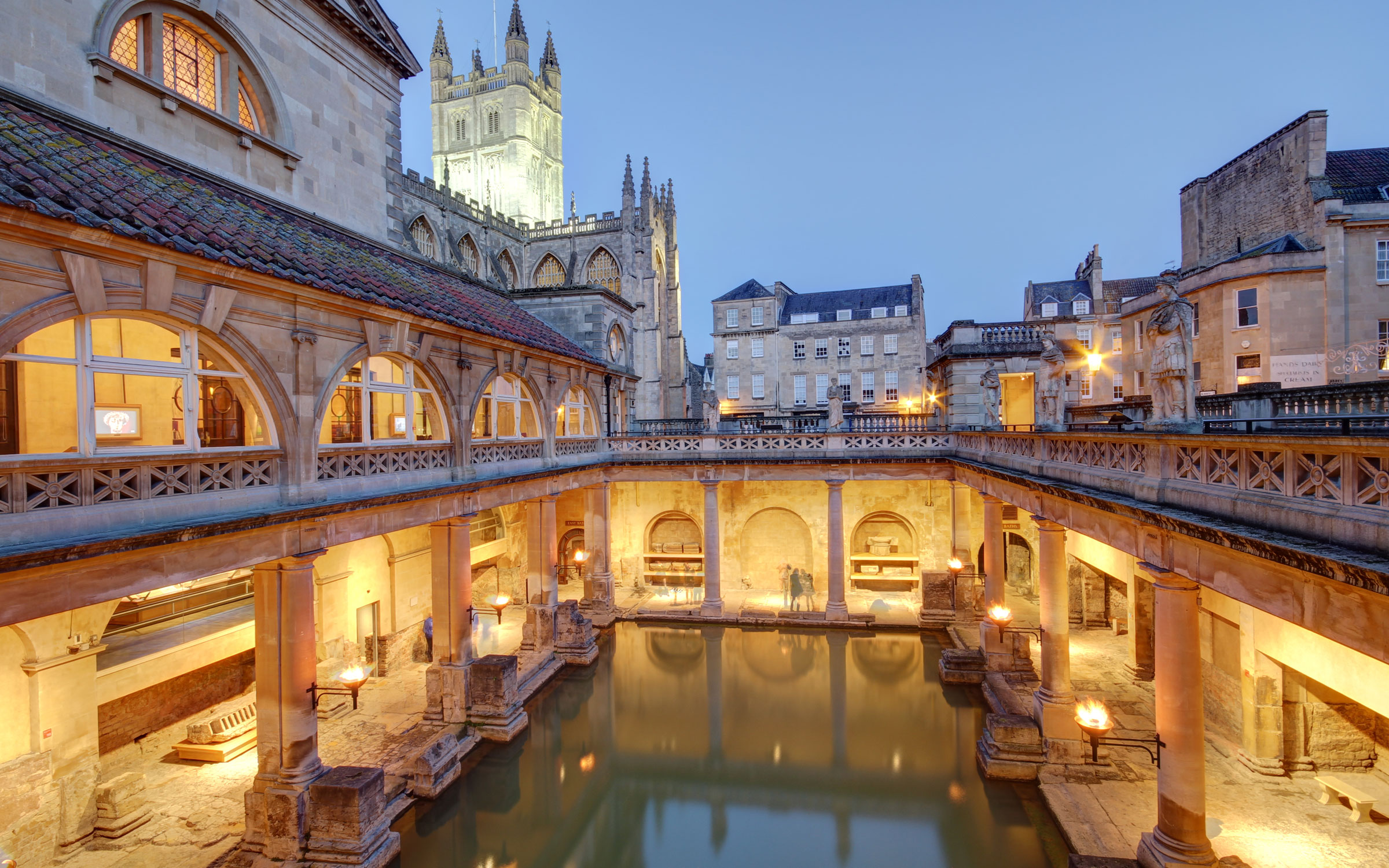
City of Bath, England | Georgian Spa City
The mineral baths of the spa town of Bath date back to 863 BC. Since then, the Celts, Romans, Saxons, and Georgians have all taken to its waters. Located in the idyllic Somerset countryside, The Roman Baths here are beautifully preserved as an interactive museum. While travelers can no longer soak in these sacred waters, they have plenty of other options to choose from. The Thermae Bath Spa still uses the same natural mineral waters and traditions as the Romans, and boasts a stunning view over the cute town with its honey-stone streets in Georgian, Neoclassical, and Gothic architecture.
The Gainsborough Bath Spa offers indulgent pamper sessions and natural thermal pools. Bath is the place for a quintessential British experience, including Sally Lunn's (Bath's oldest house, serving the famous Sally Lunn Bun) or afternoon tea at The Pump Room – a place frequented by Charles Dickens and Jane Austen. Indeed, Jane Austen wrote in her book Northanger Abbey that people flocked to Bath to breathe the fresh air of “better company” and The Jane Austen Center and numerous guided tours bring this literary history to life.

Spa, Belgium | The Cafe of Europe
Before hotels and wellness centers ever adopted the word “spa,” there was Spa, Belgium. Originally discovered in the 12th century, the iron-rich waters of this spa town of Europe have welcomed a number of veritable VIPs. Indeed, Napoleon, Peter the Great, Victor Hugo, Alexander Dumas, and even Marie Antoinette frequented Spa’s waters. As such, an entire town developed around the spring.
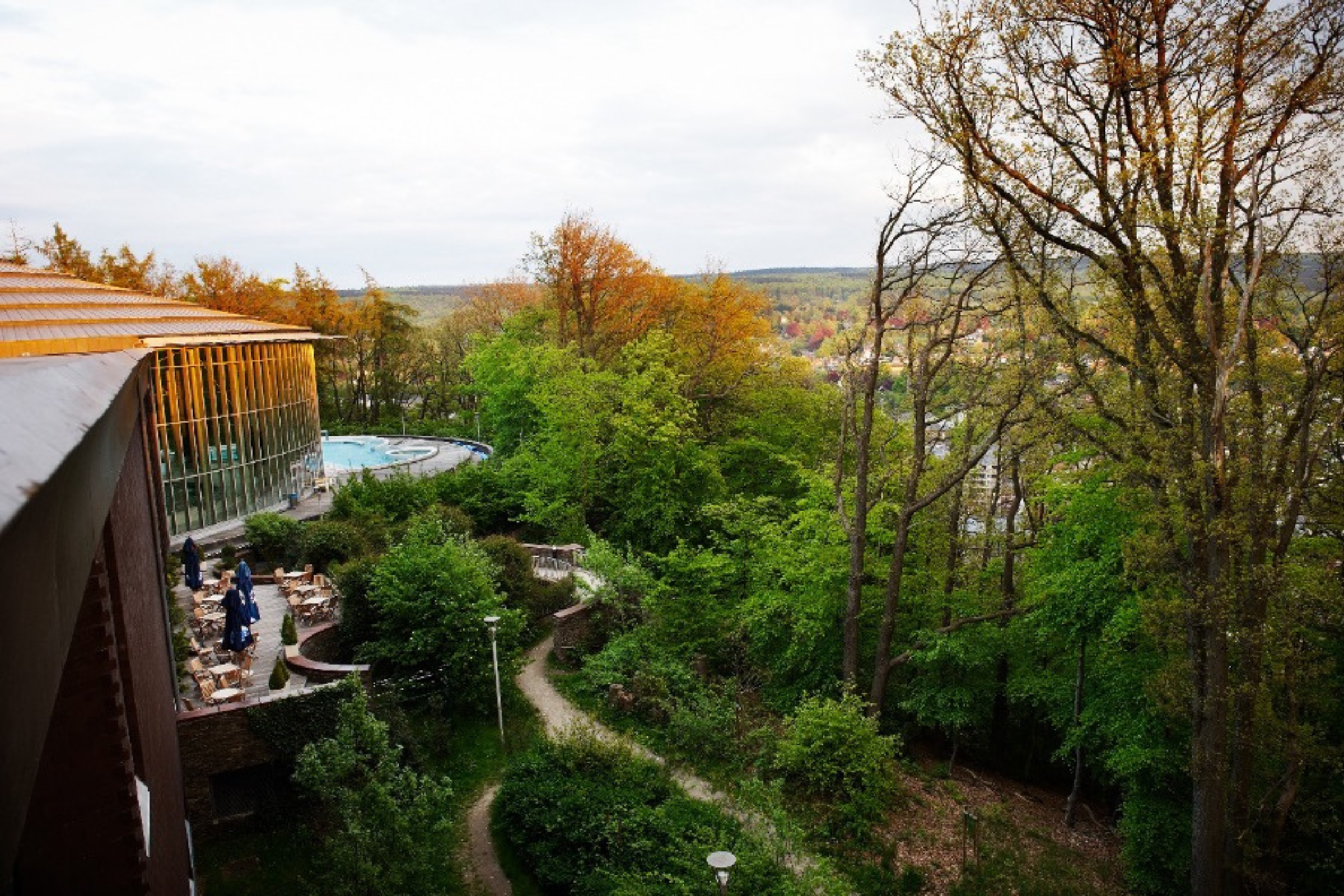
Today, travelers can take the funicular train to the hilltop spa facility, Les Thermes de Spa, where the sparkling water leaves bubbles on the skin. They can also explore the historical city center and taste the famous waters themselves, which are bottled for consumption. Spa is nestled in the forests of the Ardennes, making it an excellent base for outdoor activities. The town itself is full of cozy Belgian cafés serving waffles and beer and elegant architecture. A must-see is Waux-Hall, the oldest casino in Europe, and the historic spring pavilion, Pouhon Pierre le Grand. Nearby, the university town of Liege offers plenty of big city diversions, while the Spa-Francorchamps motor-racing circuit provides a thrilling day trip.
Karlovy Vary, Czech Republic | Europe's Open-Air Salon
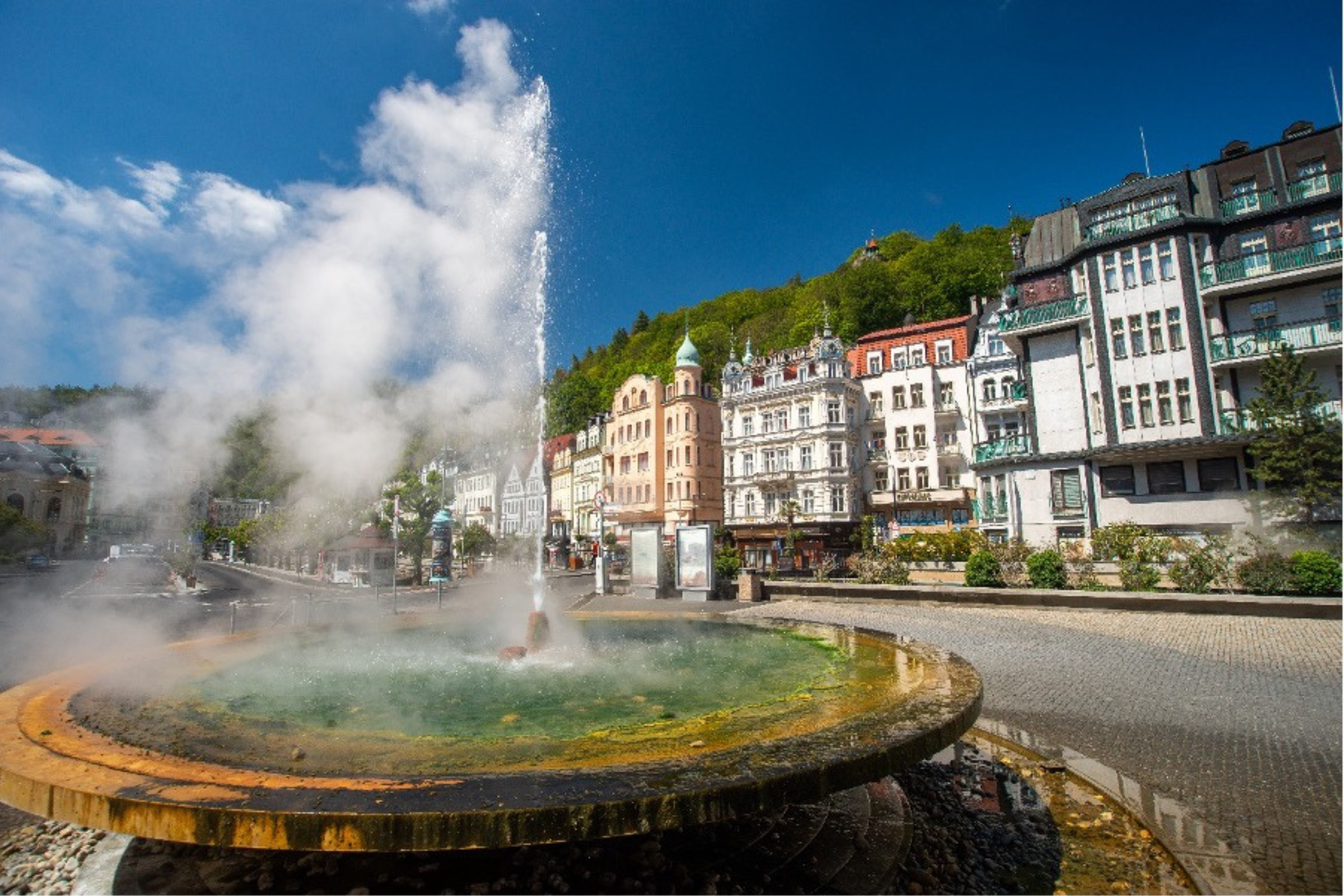
Perhaps the most picturesque spa town of Europe, Karlovy Vary benefitted greatly from the European spa culture boom of the 19th century. Situated on the River Teplá (meaning ‘hot’), Karlovy Vary features geyser-like springs that burst up from the streets – solidifying its reputation as a hotbed of spa culture.
Likewise, the town’s riverside setting, charming colorful homes, criss-crossing colonnades and preserved Neo-Renaissance and Baroque buildings complete the pretty picture. While here, travelers can benefit from the hydro-therapy treatments of such spa resorts as Elizabeth Baths, Hotel Thermal, and Imperial Baths. Alternatively, they can even witness the famous indoor Vřídlo geyser with underground tours, where the production of Karlovy Vary’s famous Stone Roses are made from the geysers. Visitors can also see traditional Czech glassblowing at the Moser Glassworks, known for its Czech crystals.
Karlovy Vary is known for its film connections, as the home of the Karlovy Vary International Film Festival every summer, and as a film setting itself. The Grandhotel Pupp, recently listed in the Michelin Guide for its timeless Czech dining, was the location of Casino Royale (2006) is also the favourite spot of filmstars.
Vichy, France | Queen of the Spa Towns
Picturesque Vichy in central France is “un rêve” for those in search of health and vitality. Often referred to as the “Queen of Spa Towns”, this cosmopolitan ‘little Paris’ boasts thermal waters rich in calcium and iron. Indeed, the hot and cold springs here originate from the dormant Auvergne volcanoes close by.
While it once served as a favorite spa town of Europe for royalty, the Vichy name is now tied to worldwide wellness. The Vichy skincare cream promises youthful skin, while Vichy bottled water promotes balanced hydration. In fact, luxury hotels in Europe and beyond have begun installing wellness spas featuring Vichy showers, hydromassage tubs, and many other ways to soak in this renowned water.
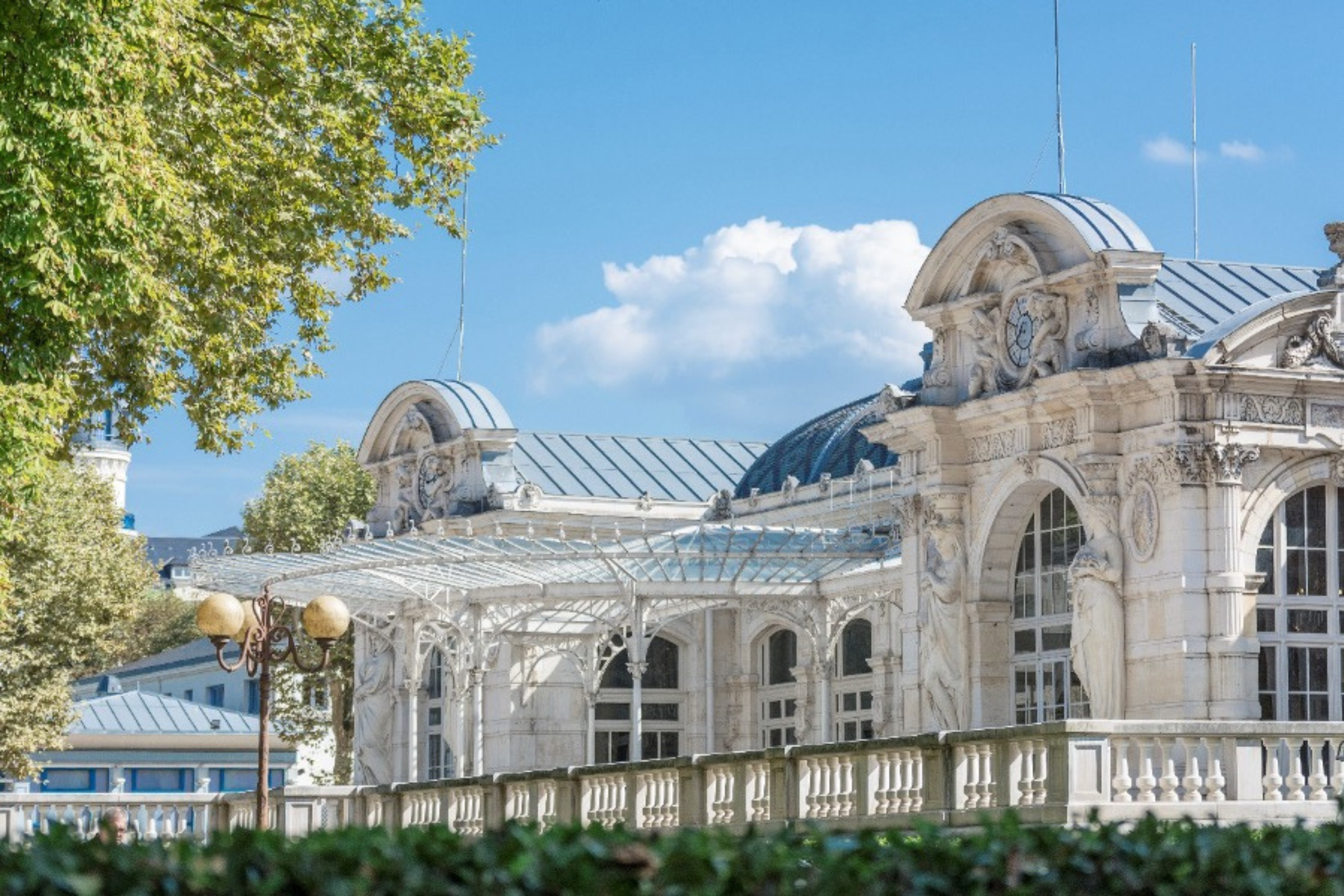
Vichy’s mineral water still powers the Vichy Celestins Thermal Spa, the Thermes les Dômes and more. The Art Deco drinking hall, the Hall des Sources, houses drinking stands for five springs, where visitors can take ‘the drinking cure’ under the glass gallery, while the famed Vichy Célestins water can be drunk directly from the Célestins spring.
The city’s largest park, Parc des Sources, is the go-to spot to experience its unique history and belle-époque architecture. The Palais des Congrès-Opera is the jewel of the city, while the nearby Montagne Bourbonnaise satisfies any desire for the mountains.
Baden bei Wien, Austria
Only 30km from Vienna, Baden bei Wien is famous for its "golden" waters, which have drawn visitors since Roman times. By the 19th century, it was a favorite retreat of Habsburg nobles.
Wander elegant promenades framed by grand spa houses and historic gardens, where spa concerts still run in the Kurpark. This Austrian town has a rich musical heritage; Beethoven and Mozart wrote some of their most famous works here, and the Beethovenhaus has preserved Beethoven’s living quarters as a unique museum.
Visitors can indulge in Baden’s warm, golden waters at the Römertherme or the Thermalstrandbad, a nostalgic, Art Deco lido with Austria’s largest sandy beach.
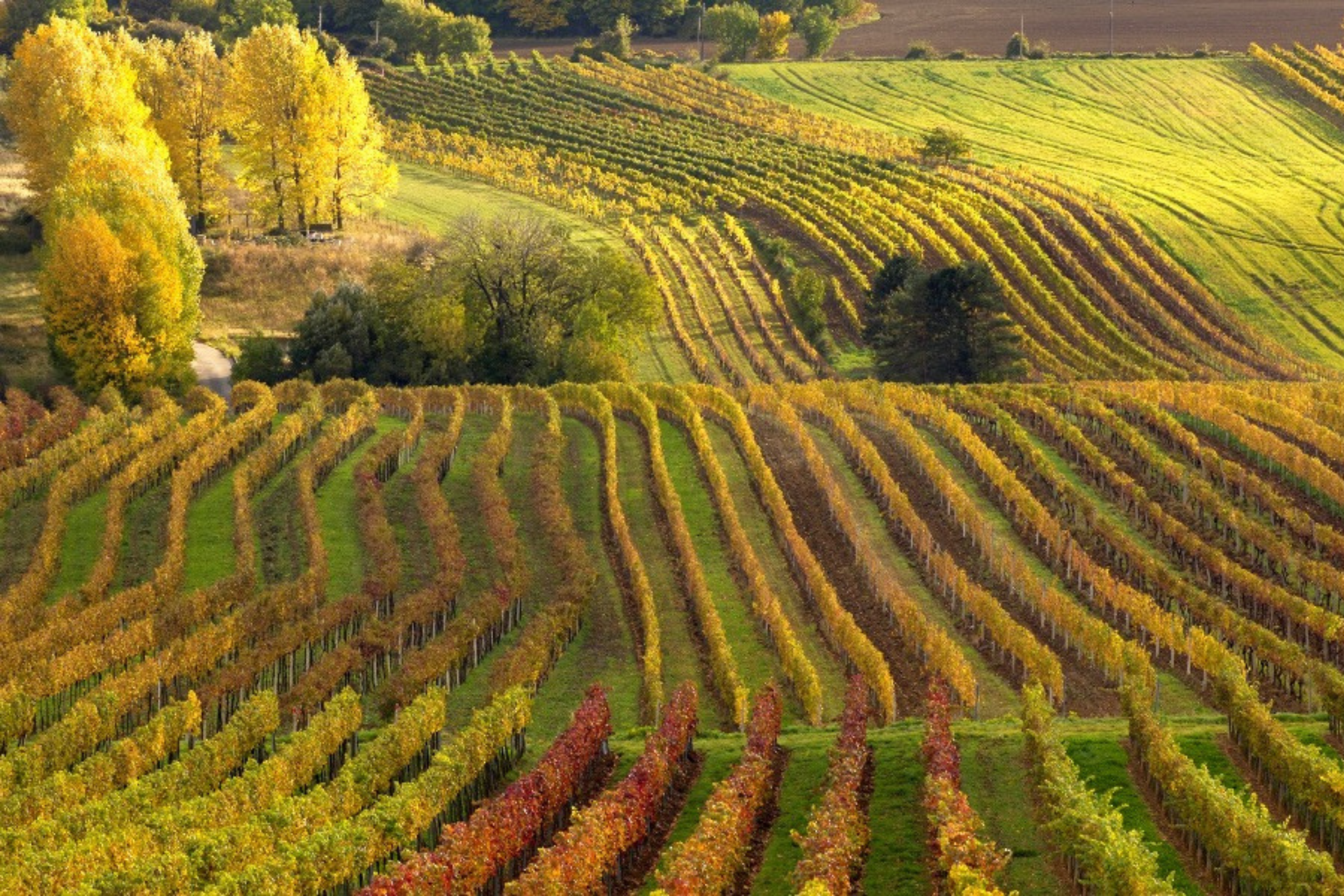
Baden is home to Europe’s largest photography festival, The Festival La Gacilly-Baden Photo, as well as Austria’s largest rose garden, The Doblhoffpark, named the "Most Beautiful Flower and Garden City in Europe", with over 8 hectares and a restored Baroque orangery. This Austrian town also has a spectacular wine culture - the Genussmeile in the Viennese woods is the ‘longest bar in the world’.
Set against the scenery of the lush Vienna Woods, this graceful town perfectly balances regal heritage with relaxed Austrian charm.
Františkovy Lázně, Czech Republic | A European Model Spa
A favourite destination of the Habsburg rulers and numerous famous artists, Františkovy Lázně is a charming Czech spa town with cheerful yellow buildings and bright chessboard streets. The urban landscape was carefully designed by the Beautification Association to make a calming atmosphere; even Goethe described Františkovy Lázně as “heaven on earth”.
Františkovy Lázně is one of the first peat spas in the world, and uses mineral water and CO2 gas alongside peat pulp as natural healing resources for its spa treatments. As well as the pools at the Aquaforum spa, treatments range from pearl baths to gas wraps at the Carbon Gas Spa and the Salt Caves – where micro-particles of salt heal skin and respiratory issues.
The traditional drinking cure can be enjoyed at several mineral-rich springs, including The Colonnade of the Salty and Meadow Springs which is approached from the Isabella Promenade lined with allegorical statues. The František Spring, with its Empire-style pavilion, is the oldest spring in Františkovy Lázně and is recognised as the symbol of the town.
The Soos Nature Reserve, nicknamed the Czech Yellowstone, is an enigmatic landscape, full of bubbling mud volcanoes. Follow this with a visit to a quaint Czech restaurant to try local cuisine.
Mariánské Lázně, Czech Republic Grand Harmony with Nature
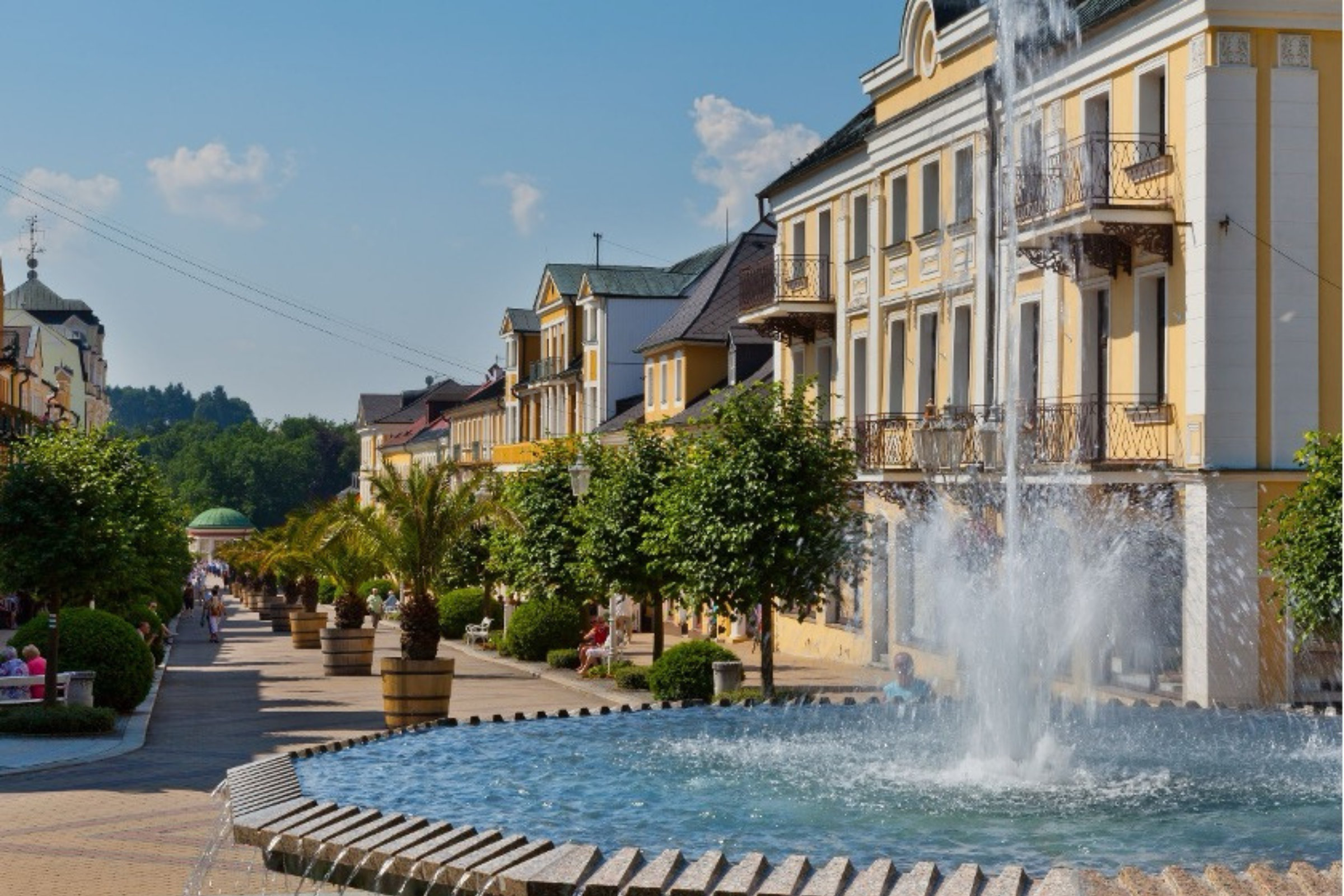
With fountains, forests and neoclassical grace, Mariánské Lázně feels like stepping into a bygone era of European spa culture. Thanks to the pristine air of the Slavkovský Forest, Mariánské Lázně is also known as a ‘climatic spa’, with air so fresh it is used to cure respiratory issues.
This Czech town has attracted royalty and artists for centuries, including Nobel, Kafka, Freud, Kipling, Chopin and Wagner, who stayed in grand spa hotels like the Nove Lázně, famed for its marbled Roman baths and numerous spa treatments – including peat mud packs, Kniepp pools and CO2 gas treatments.
Spa wafers are a local tradition; sweet treats to nibble while walking through the town’s parks and colonnades. Wander through the central park to the Main Colonnade, which is the symbol of the town. Built in the neo-Baroque style in 1888-89, this colonnade is a rare surviving example of spa period buildings, now home to galleries, cafes and the original ceiling frescos. Nearby is the Singing Fountain, which lights up with musical water displays, and the Cross Spring pavilion, where the waters heal the digestive system.

Bad Ems, Germany
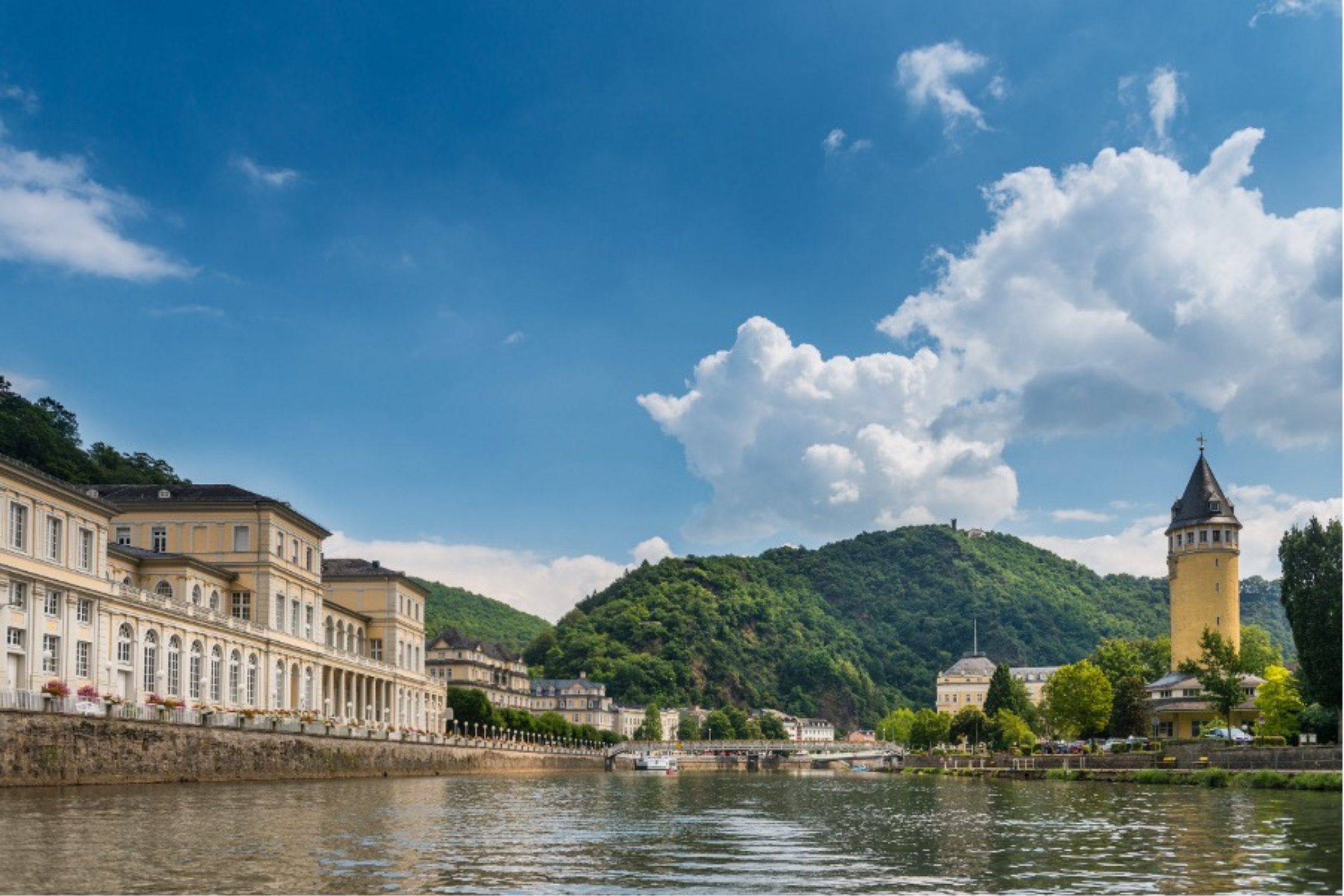
Once a favourite of emperors, Bad Ems sits gracefully on the River Lahn. This German town is the home of imperial bathing culture, visible in the series of historic hotel buildings lining the river like a small history of art.
The Marble Hall is one of the architectural highlights in the historic spa district, with sweeping murals and columns made of Lahn Valley marble. The oldest casino in Germany can be found in Bad Ems, and The Haeckers Grand Hotel is equally steeped in history, as it gained European historical significance through the spa stays of the Russian Tsar's court and the Prussian King Wilhelm I.
The town’s mineral water feeds the Emser Therme, a modern spa facility known as Germany's first floating river sauna, boasting sweeping forest views from its glass walls. Traditional cures are intertwined at this facility, as salt rooms allow inhalation of the famous Emser salt, which is also still used to make traditional Emser pastilles, cures for the throat.
Bad Ems is a popular choice for lovers of hiking and outdoor sports, as trails lead up the valley. For dining, visitors can try traditional German Konditorei, or visit the eclectic Beatles Museum and Café.
Bad Kissingen, Germany
Bad Kissingen, ‘the Great Bavarian Spa’, is famous for its seven mineral-rich healing springs, which to this day underpin the idyllic town's reputation as a world-renowned spa resort.
The traditional European spa experience can be found in the Brunnenhalle, a grand drinking hall built in 1841 by order of the Bavarian King Ludwig I. Here, Brunnenfrau (fountain women) dispense the different mineral waters while a spa orchestra plays. The KissSalis Therme is another spa highlight, with indoor and outdoor pools, thermal baths and saunas.
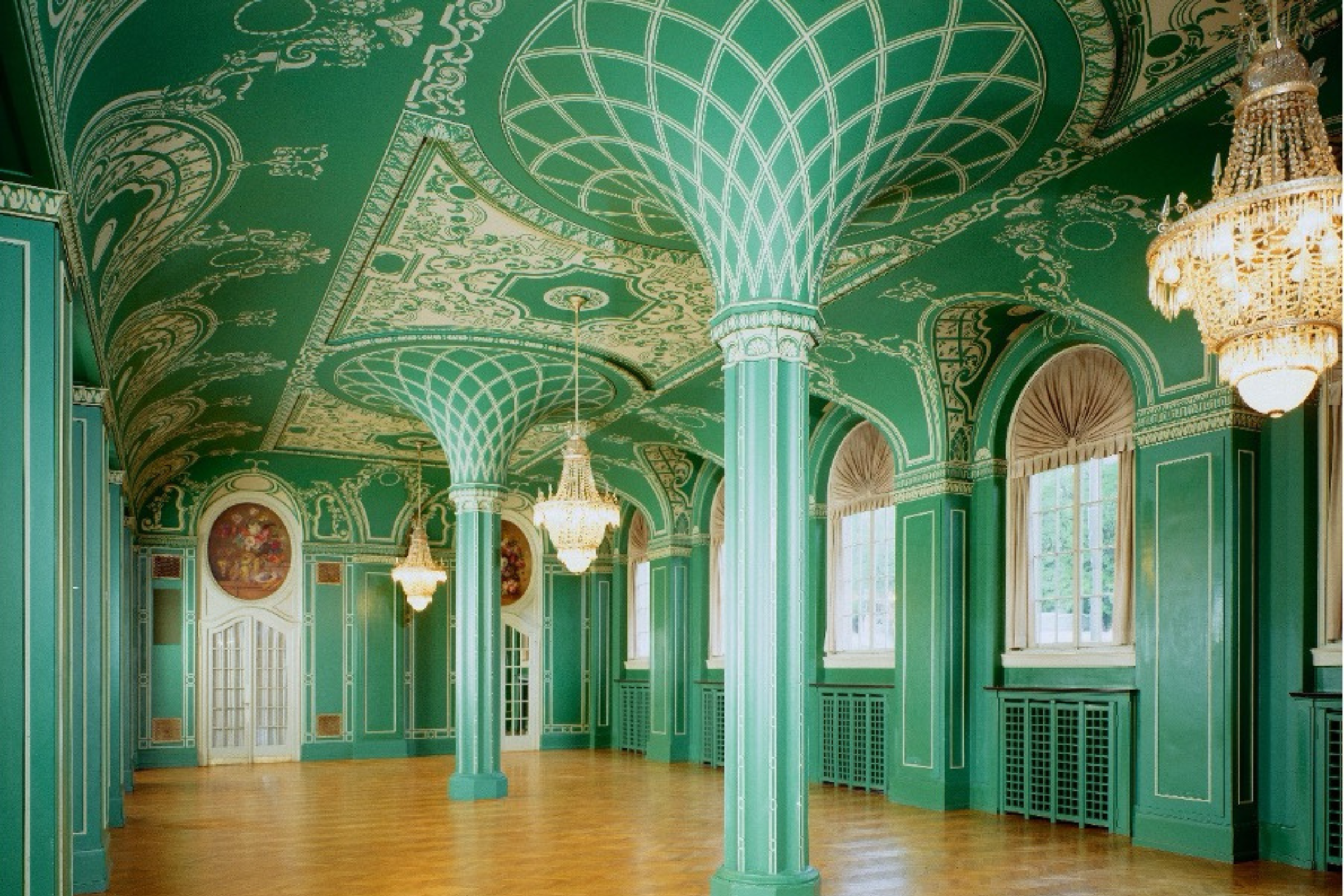
The famed architect Max Littmann has left his mark across Bad Kissingen, with grandiose works like the Regentenbau – among the 5 best concert halls in the world. This cherrywood venue hosts renowned orchestras and international artists, and smaller rooms like the Rococo-style White Hall, adorned with Venetian crystal, and the Art Nouveau Green Hall, show unforgettable architectural flair.
Montecatini Terme, Tuscany, Italy
Tuscany’s Montecatini Terme offers a distinct Mediterranean spa experience where thermal waters meet Italian elegance. Situated within oasis of olive groves and gardens, dotted with Italian architecture, this Italian spa town is a radiant blend of culture and cure.
Montecatini Terme’s roots go back to the Roman times, but this Italian spa town also saw the Dolce Vita of the 1950s and 1960s, when Montecatini was one of Italy's most glamorous destinations, beloved by Hollywood celebrities, princes, emirs, writers, and politicians.
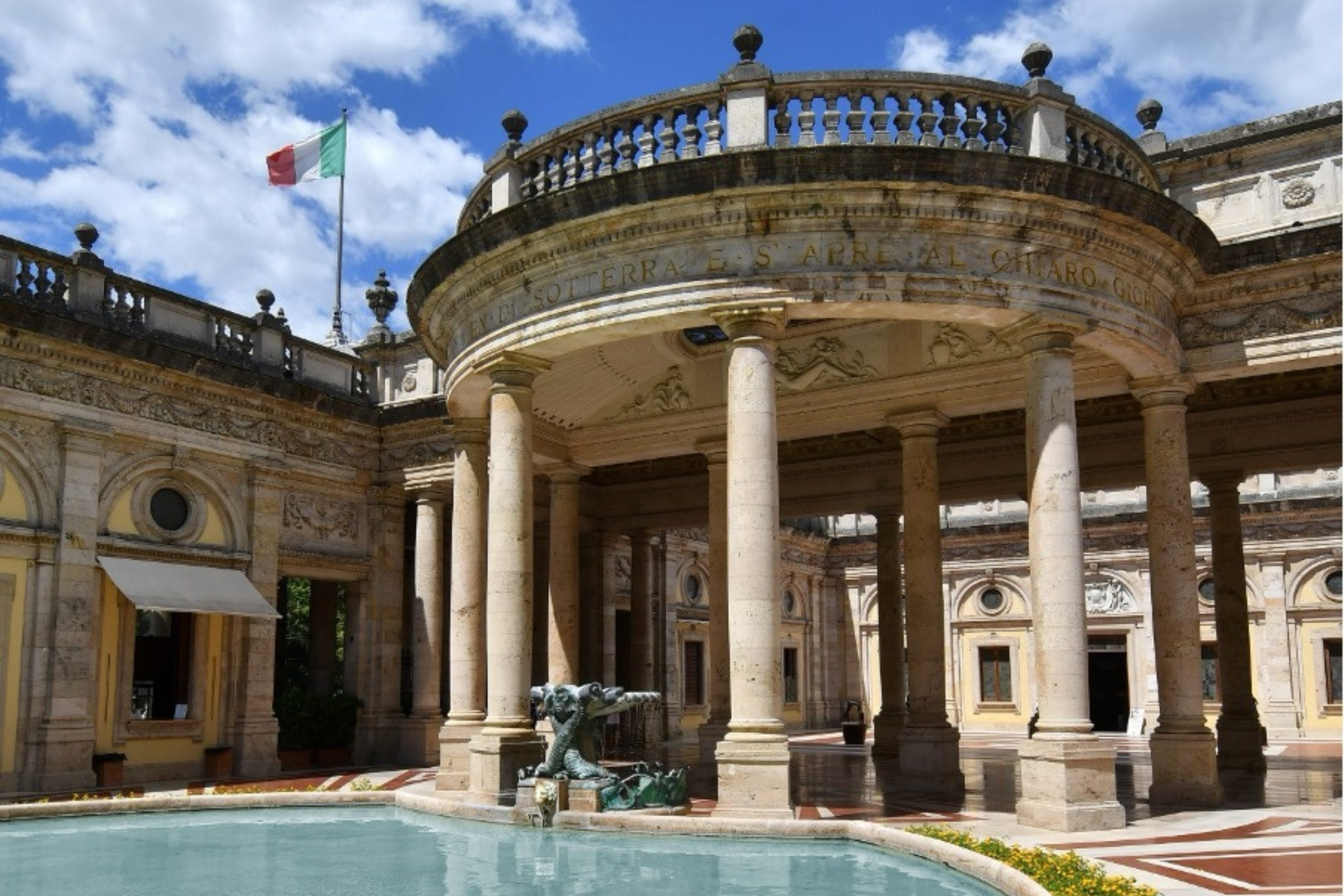
The ancient thermal waters feed several spa complexes, including the Tettuccio Thermal Spa (a drinking spa) and the Tamerici Thermal Spa, celebrated for the drinking room with ceramic panels by Galileo Chini. These waters also source the Excelsior Thermal Spa and Redi Thermal Spa (both with thermal pools and spa treatments). Montecatini Terme is full of gracious boulevards, cafés, and Renaissance gems.
Breakfasting like an Italian is best done in the Piazza del Popolo, full of coffee bars and bustling activity.
Take the funicular railway to Montecatini Alto, a small medieval village on the hill above Montecatini Terme. Visit the Piazza Giuseppe Giusti for local cuisine, browse boutiques and enjoy the hilltop views.
Visit the Great Spa Towns of Europe with Ker & Downey World Travel
Are you ready to soak in the waters of one of The Great Spa Towns of Europe? Contact us today to start planning and we can incorporate them into any larger Europe itinerary. In the meantime, for daily travel inspiration, follow us on Facebook, Instagram, and X.

Talk to A Travel Designer
Get advice and suggestions to make this your perfect trip.
Or give us a call at 800.423.4236.
Inquire NowSee What We Are Up To
Subscribe to our Weekly Newsletter for Travel Tips and Insider Guides for Planning your Next Journey!