
The Galápagos Islands are one of the few places in the world where wildlife is not simply observed, but experienced.
Here, sea lions swim alongside you, giant tortoises roam ancient landscapes, and blue-footed boobies perform their unmistakable courtship displays just steps away.
This extraordinary environment is the result of millions of years of isolation, creating species found nowhere else on Earth.
In this guide, we’ll explore the most iconic wildlife of the Galápagos Islands, what you can expect to see, when to see it, and how to experience it in the most meaningful way.
Why the Galápagos Is Unlike Anywhere Else
The Galápagos archipelago is home to an exceptional concentration of endemic species. The wildlife here evolved in isolation, and without any natural predators on the island. Because of that, they exhibit little fear of humans. This allows for rare, close-range encounters that feel both intimate and unfiltered.
Every landing in the Galápagos is guided and carefully regulated, ensuring that these ecosystems remain protected while still accessible.
Iconic Animals of the Galápagos Islands

Giant Tortoises
The symbol of the Galápagos, giant tortoises can live well over 100 years and weigh more than 500 pounds.
They move slowly through highland forests and volcanic terrain, often seen grazing or resting in shallow pools.
Where to see them: Santa Cruz, Isabela Islands, and Floreana Islands
Best time: Year-round

Blue-Footed Booby
Perhaps the most recognizable bird in the Galápagos, blue-footed boobies are known for their vivid blue feet and elaborate mating dance.
Watching their courtship ritual—lifting each foot in turn—is one of the most memorable wildlife moments in the islands.
Where to see them: North Seymour Islands, Española, Fernandina, Floreana, Isabela, Pinzon, and Santa Cruz
Best time: June to August

Marine Iguanas
Found only in the Galápagos, marine iguanas are the only lizards in the world that forage in the ocean.
They dive into the water to feed on algae, then return to sun-warmed rocks to regulate their body temperature.
During breeding season, males display vibrant red and green coloration.
Where to see them: Fernandina, Isabela, Española, Floreana, and Santa Cruz Islands
Best time: January to March for mating season

Galápagos Sea Lions
Sea lions are among the most playful and interactive animals in the Galápagos.
They are often found lounging on beaches or swimming close to shore, and are especially curious in the water.
Snorkeling alongside sea lions is a highlight for many travelers.
Where to see them: Widespread in the Galapagos. They can often be found along the coastlines.
Best time: Year round

Galápagos Penguins
One of the rarest penguin species in the world, Galápagos penguins are uniquely adapted to the equatorial climate.
They are fast swimmers and are often spotted darting through the water while snorkeling.
Where to see them: Isabela and Fernandina Islands
Best time: Can be found year-round, but most active from June to November

Hammerhead Sharks
The Galápagos is one of the best places in the world to observe schools of hammerhead sharks.
These encounters typically occur in deeper waters and are most common on diving expeditions.
Where to see them: Wolf and Darwin Islands and Kicker Rock near San Cristobal
Best time: June to November

Great Sea Turtles
Green sea turtles are frequently seen gliding through the water or nesting on beaches. They are the only turtle species to breed and nest in the Galapagos.
They are a common sight while snorkeling, especially during warmer months.
Where to see them: Throughout the islands
Best time: Throughout the year, but December to March is nesting season

Sally Lightfoot Crab
One of the most vibrant and photogenic species in the Galápagos, the Sally Lightfoot crab adds a striking burst of color to the islands’ rugged volcanic coastlines.These agile crabs can often be seen darting across black lava rocks or clinging effortlessly to the shoreline as waves crash around them.
They play an important role in the ecosystem, feeding on algae and organic debris while also interacting closely with marine iguanas, often cleaning parasites from their skin.
Where to see them: Coastal areas throughout the islands, especially on rocky shorelines
Best time: Year-round
Birdlife of the Galápagos
The Galápagos is a paradise for bird enthusiasts, with a wide range of endemic and migratory species.
Highlights include:
- Frigatebirds with their striking red throat pouches
- Flightless cormorants found nowhere else on Earth
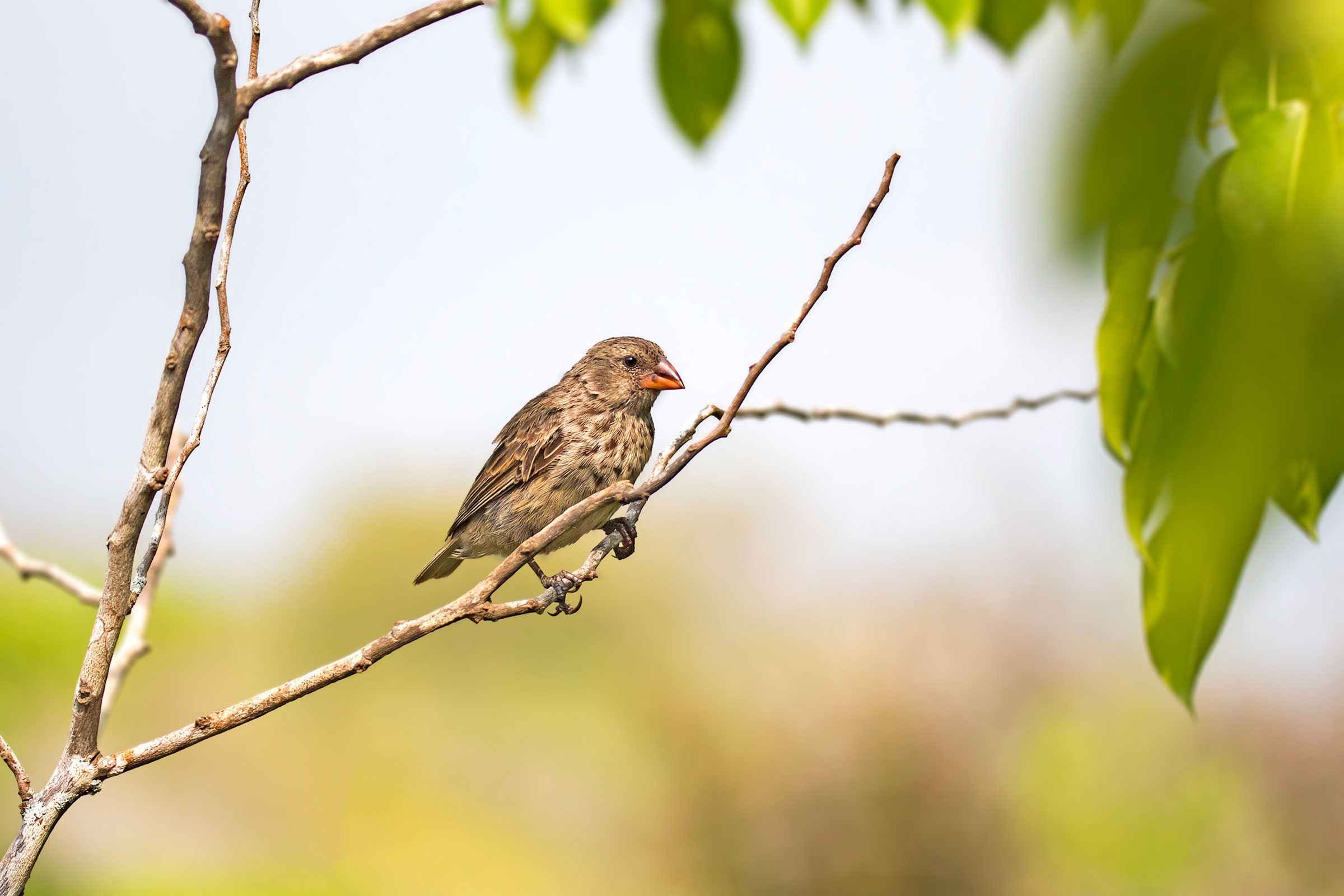
- Darwin’s finches, which played a key role in the theory of evolution
Each island offers different birdwatching opportunities, making exploration by cruise particularly valuable.
Marine Life Encounters
Much of the Galápagos wildlife experience happens below the surface.
Snorkeling and diving reveal:
- Reef sharks
- Rays
- Tropical fish
- Sea lions and turtles
Cooler, nutrient-rich waters support an abundance of marine biodiversity, especially during the dry season.
When to Visit for Wildlife
Wildlife can be seen year-round, but timing can enhance specific experiences.
- January–March: Marine iguanas in breeding color, sea turtles nesting
- June–August: Blue-footed booby courtship, increased marine life
- September–November: Penguins active, sea lion pups
- December–May: Excellent snorkeling conditions

The Best Time to Visit the Galápagos Islands
The Galápagos offers extraordinary wildlife encounters year-round. The best time to visit the Galápagos Islands depends less on weather and more on what you want to experience. This guide breaks down the best time to visit the Galápagos month by month, helping you plan the perfect expedition.
Learn More About the Best Time to VisitHow to Experience Galápagos Wildlife
The way you explore the islands directly impacts your wildlife encounters.
Small-Ship Expedition Cruises
- Access to remote islands
- Daily guided excursions
- Close proximity to wildlife
Land-Based Travel
- Focus on inhabited islands
- Day trips to nearby sites
For the most comprehensive wildlife experience, small-ship cruises provide the greatest access and variety.

Galápagos Cruises
Planning a Galápagos cruise? Not all vessels offer the same experience.
Read our Galapagos Cruise GuideA Responsible Approach to Wildlife
The Galápagos Islands are one of the most carefully protected ecosystems in the world.
Visitors must follow strict guidelines:
- Maintain distance from wildlife
- Stay on designated paths
- Travel with certified naturalist guides
These regulations ensure that future generations can experience the islands in the same way.
Plan Your Galápagos Wildlife Journey
A journey to the Galápagos is defined by its wildlife—unexpected, unfiltered, and deeply memorable.
At Ker & Downey, we design custom journeys that bring you closer to these experiences, guided by experts and tailored to your interests.
Whether your focus is photography, snorkeling, or simply observing wildlife in its natural environment, every journey is thoughtfully crafted.
Explore our Galápagos journeys or connect with a travel designer to begin planning your expedition.

The Galápagos Islands
This Galápagos Islands travel guide covers everything you need to know - from when to go and what to see to how to experience the islands in the most meaningful way.
Read Our Full Galápagos Travel Guide
Talk to A Travel Designer
Get advice and suggestions to make this your perfect trip.
Or give us a call at 800.423.4236.
Inquire NowSee What We Are Up To
Subscribe to our Weekly Newsletter for Travel Tips and Insider Guides for Planning your Next Journey!