
As some of the world's favorite cities get more crowded, I've found myself craving something different—the excitement of discovering places that still feel untouched and under the radar. Lately, I’ve been especially drawn to destinations most people haven’t experienced yet, like the Yukon, Greenland, remote corners of Iceland, and the far reaches of Scotland.
Within this string of pearls across the top of the world is the Faroe Islands, a rocky and windswept archipelago in the North Atlantic. When I heard that the tiny capital, Tórshavn, was home to an unexpected collection of Michelin-level restaurants, I knew I had to see it for myself.
I leave Boston’s Logan Airport on Iceland Air in early October. Iceland Air is no-frills, but reliable, and I love flying through Reykjavík. I always like to pick up a new Nordic noir novel from the bookstore and stock up on Draumur bars, my favorite confection from this part of the world. From Reykjavík, it’s just a short 90-minute flight to Vágar, the sole gateway to the Faroe Islands.
Exiting the airport, I am immediately struck by the feeling of being perched on a rock in the middle of the Atlantic—a strange sensation after the hustle of daily life. I hop in the car and head for the capital.

The Faroe Islands are an autonomous region of Denmark, and are made up of 18 islands, all of which are inhabited except one. The islands are extremely easy to navigate, thanks to a well-maintained network of tunnels and bridges, including the world’s first underwater roundabout. As I drive towards Tórshavn, I get my first taste of the islands’ efficient infrastructure, and as I go further through the high mountain passes, I also get an understanding of how the islands got their name. The name Faroe is Old Norse and translates to “sheep.” Yes, these sheep islands are so named because sheep dot every part of the land and far outnumber the human population of around 51,000.
In the Faroe Islands, you’re never more than three miles from the ocean. From October through April, a strong Arctic wind whips across the islands, and I am glad I packed my wool layers. In this climate, there are virtually zero trees, but the vibrant green grass and heather pop against the sea, making for an incredible sight. The weather changes constantly—truly by the minute—with a magical result: there are waterfalls and rainbows at every turn. I had not been prepared for it to feel like a fairytale.
PRO TIP | "Because fall, winter, and spring can be unpredictable, summer is the best time to visit.” - Catherine Brown, Travel Designer
I arrive in the city with time to explore. Tórshavn has a large harbor and a small population of about 15,000, with restaurants, designer boutiques, and beloved shops honoring the Faroese knitting traditions. There is everything from classic wool sweaters and mittens to striking, innovative handmade pieces you will find nowhere else. As the sun begins to set, the glow from the windows of the turf-roofed houses signals it is time for dinner. Finally!
A First Taste of Fermentation

For my first foray into Faroese cuisine, I choose Ræst, a Michelin-recognized restaurant located in a charming 400-year-old house in the harbor district. The candle-lit rooms are cozy, with books lining the walls and sheepskins scattered on every chair—perfect for a cold evening. The name Ræst means “fermented,” and every one of the 12 courses has an element of fermentation. The menu begins with a starter of sea urchin foam and fermented leek, then continues with a journey through the islands' produce, including pickled crowberries, langoustines, horse mussels, sea cucumbers, and more.
During the evening, I accept the invitation to go into the kitchen to join the staff in celebrating a big culinary award. Their head chef, Sebastian Jiménez, is making waves in the islands and across the world with his Mexican influence on Faroese traditions, like his tostada with preserved scallop roe and seaweed, one of my favorite courses. The star of the meal is the skerpikjøt, meaning “wind-dried lamb,” which has been hung and fermented in a traditional hjallur, or ventilated shack, typically placed at the water’s edge to absorb the salt air. Dessert is an incredible feat—fermented grass ice cream, laced with chamomile and macadamia nuts—and one I will never forget.
Luxury accommodations in the city are limited, but fortunately, just steps from the restaurant is Nólsoyarstova, a beautiful three-apartment retreat, housed in a renovated 18th-century historical building. Warm and welcoming, the apartments are beautifully decorated with local art and textiles, boasting views over the harbor and Atlantic. It’s a perfect home base with cafes and coffee shops at the doorstep and the outer islands in easy reach.
Over The Islands and Into the Fjords
Over the following days, I explore the highlights of Streymoy, Eysturoy, and Vágar, three of the archipelago's main islands, by boat, vehicle, and on foot with my guide. We see the optical illusion of Lake Sørvágsvatn, the towering Fossa Waterfall, the picture-perfect traditional village of Saksun, and the black sand beaches of Tjørnuvík.
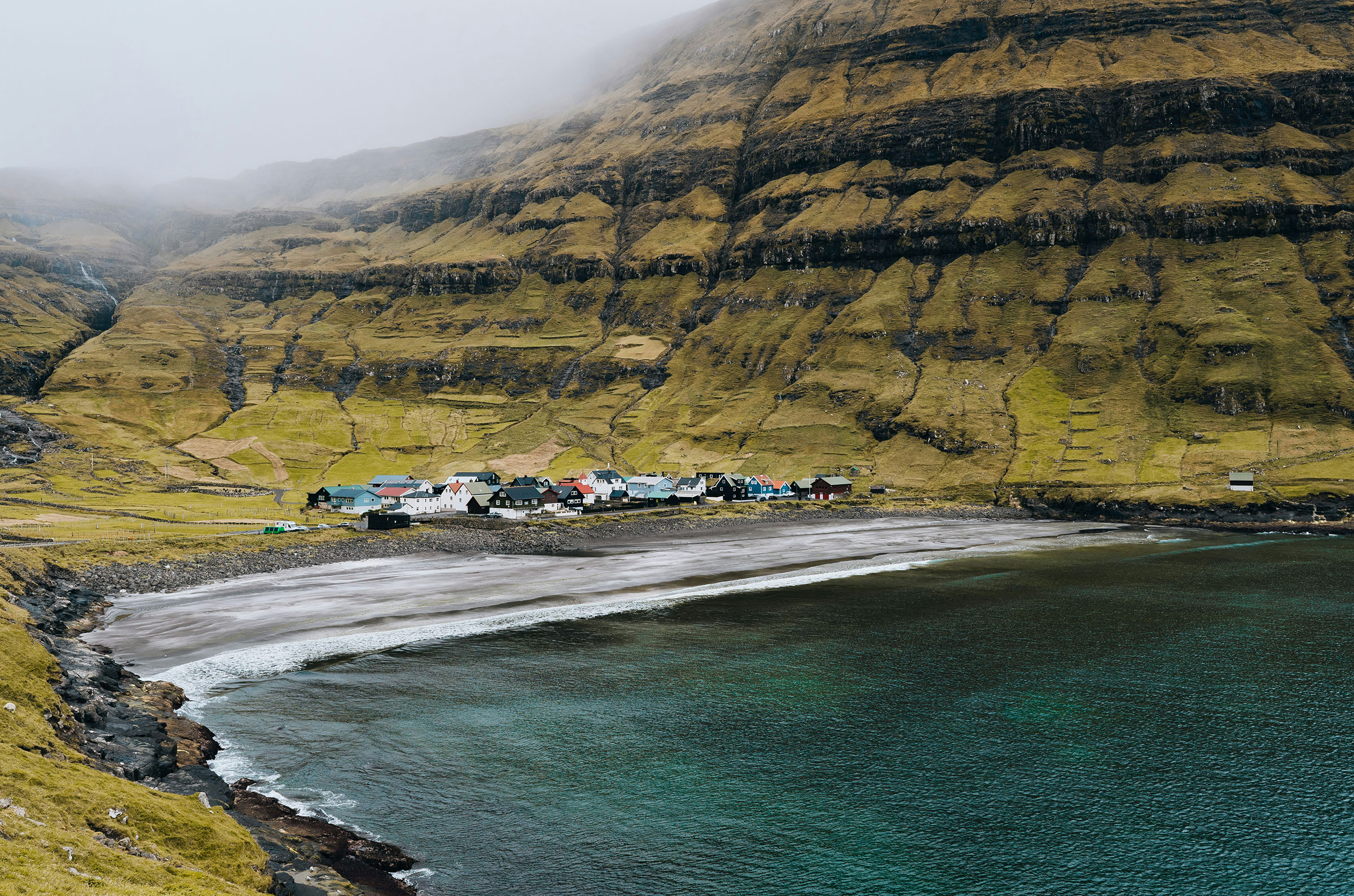
Tjørnuvík is a village of about 50 inhabitants and a favorite surfing spot, with a view of two famous sea stacks named the Risin og Kellingin, or the Giant and the Witch. Here, stories of trolls, giants, and other mythical creatures abound—and with the jaw-dropping landscapes around every bend, it’s easy to see why. On a clear day, you can take the old village paths on a hike from Saksun, over the mountains and down into the fjord to reach Tjørnuvík, with cairns marking the way. And it is not a trip to the Faroes without the famous ritual of a dip in the cold ocean followed by a hot sauna in the heart of the wilderness.
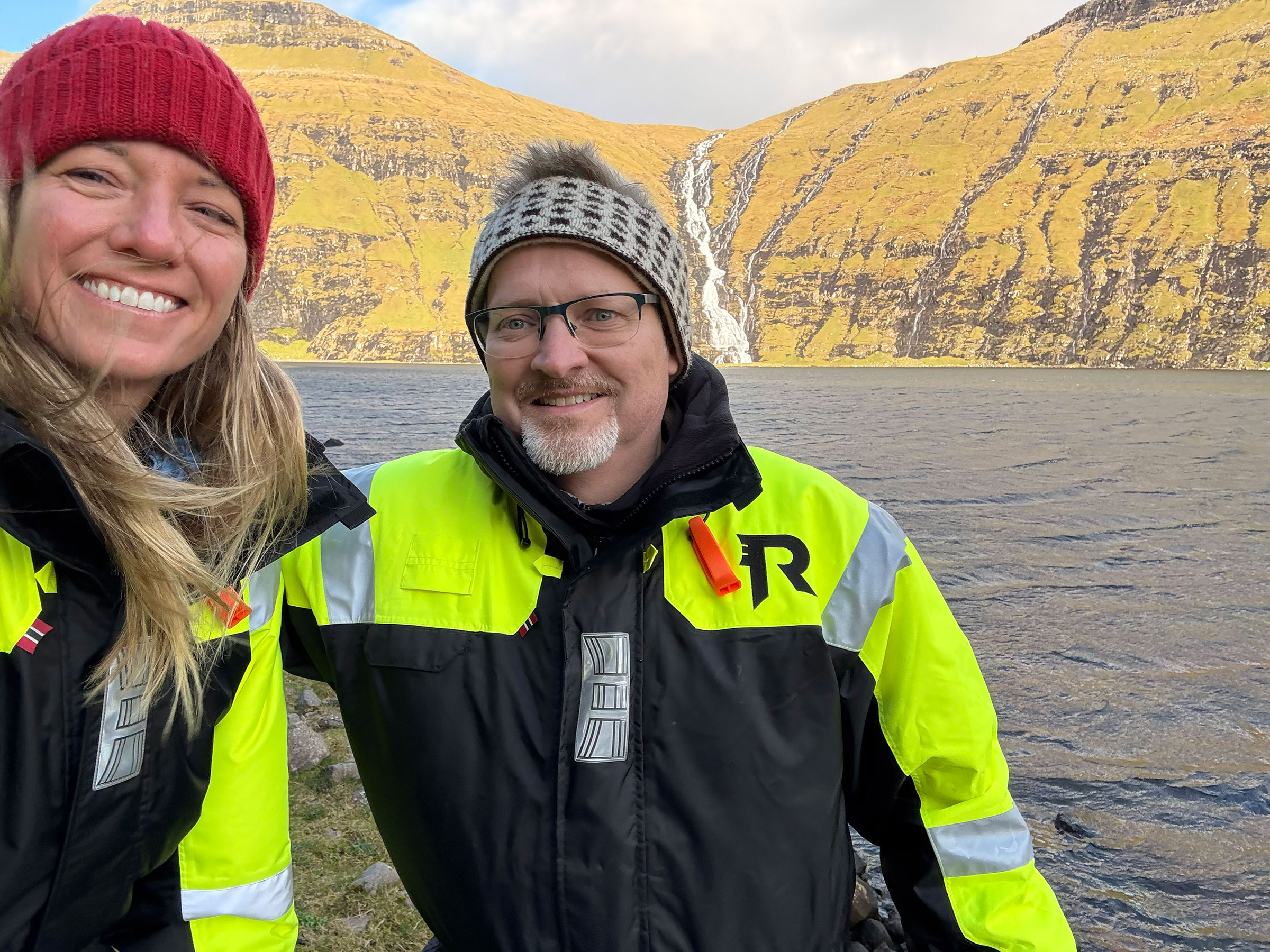
Early one morning, we pack breakfast, gear, and rods, and hike deep into the fjords to fish. With great success, we leave with a bushel of whiting.
Unexpected Surprises
That evening, I experience the Faroese tradition of Heimablídni, which means home dining, when we go to my guide’s sister’s home to make fish stew from our catch. While some of the world’s top restaurants reside just around the corner, this turns out to be one of my favorite evenings of the trip. With lots of fun in the kitchen and great conversation, I learn about family life and tradition on the islands.
I stop by the National Gallery, which has a fantastic collection of art by celebrated Faroese artists that reflects the islands' folklore, challenges, and spirit. I am also lucky enough to try the casual Rocks restaurant, and elegant Paz, with its two Michelin stars and unique Kombucha pairings. It is such a delight to hear my waitress whisper, “This is my family’s favorite!” as I am served the Ræstur fiskur, a favorite Faroese comfort food consisting of air-fermented cod. There is nothing like sitting down to a meal that has been lovingly prepared and crafted from the produce of this ruggedly beautiful place.
As I pack to head home, I am happy to see the sun shining and a rainbow right outside my hotel window. I check out, and when I open the front door moments later, I am greeted with a torrential downpour. I unpack my rain gear and put it right back on. Lessons learned—there is no weather like Faroese weather—and thank goodness for my personal guide who can pivot on the spot to showcase the awe and beauty of the islands in any meteorological situation.
As a travel designer who has been planning trips for almost 25 years, I find it so rewarding to discover places that surprise me, as the Faroe Islands have.

The Faroe Islands
This remote archipelago of 750 islands between Iceland and Norway offers dramatic fjords, world-class dining, and authentic cultural experiences—but also presents unique challenges that require expert planning.
Faroe Islands Travel Guide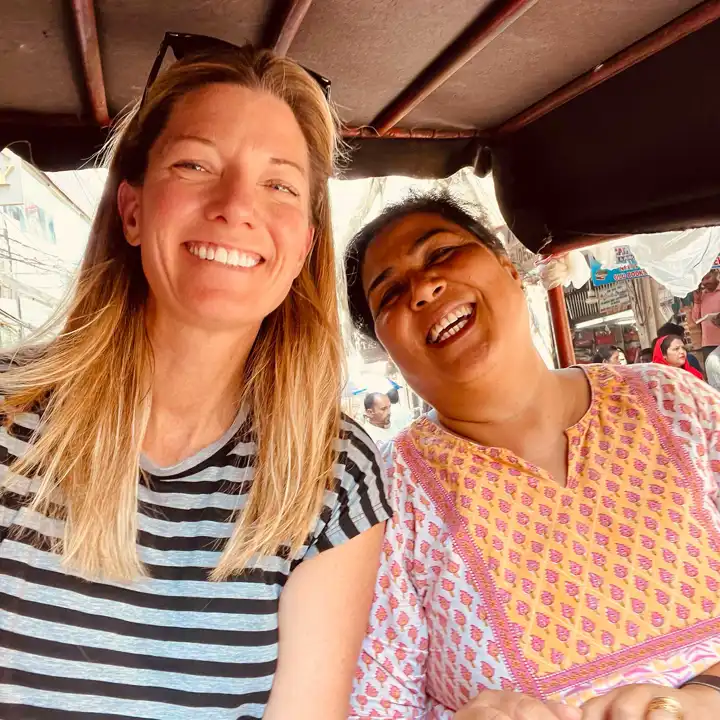
Catherine Brown
Catherine is a travel designer at Ker & Downey. Her travel adventures started as a student with a year abroad in Australia, and haven’t stopped since. Catherine’s passion is family travel. Her favorite trips have included fly-fishing with her dad in New Zealand, touring rural India and cruising the Greenland fjords with her mom, and taking her kids across Iceland in winter. She loves to create memorable experiences for families of any size, packing all manner of exciting activities in for everyone to enjoy. Current thrill: Polar Adventures!
Inquire Now
Quest Magazine
Dedicated to the experiential style of Ker & Downey travel, QUEST Magazine features eye-opening content that focuses on unforgettable experience, unheard-of destinations, and the very best our world has to offer. Each issue is packed with insider information, what's new in the world of travel, and editorial pieces that focus on our global culture, philanthropy, and transformative travel.
Read The Spring 2026 IssueSee What We Are Up To
Subscribe to our Weekly Newsletter for Travel Tips and Insider Guides for Planning your Next Journey!