

Discover the Balkans
The Balkans' warm shores and bold flavors excite the senses at every turn. Ker & Downey World Travel takes you away from the crowds to experience this last unspoiled corner of Europe, either as a standalone destination or as part of a larger multi-country Balkans tour.
Read MoreRecent Articles

Bana Ba Letsatsi: New Classrooms Botswana
Four new classrooms are nearing completion at Bana Ba Letsatsi in Botswana, creating space for more than 60 children to learn, grow, and thrive. Read about the project and the impact made possible through generous support.

Best Time to Travel to New Zealand
Read Ker & Downey World Travel's guide on how to choose the best time to travel to New Zealand. Let us help you decide when to travel to New Zealand based on your travel style.

Property Spotlight: Te Arai Links
Discover Te Arai Links, a luxury New Zealand golf resort featuring world-class coastal golf courses, elegant accommodation, and unforgettable ocean views.

Property Spotlight: The Lindis
Set deep within the dramatic Ahuriri Valley, The Lindis is one of the South Island’s most remarkable retreats.

Ultimate Guide to Golf in New Zealand
Discover the best golf courses in New Zealand, from Cape Kidnappers to Queenstown. Explore luxury golf trips, scenic courses, lodges, and curated itineraries.

A Land That Became Legend: New Zealand
On the 25th anniversary of The Lord of the Rings: The Fellowship of the Ring we explore how New Zealand continues to blur the line between landscape and lore—proving Middle-earth was never just movie magic.

The Guide: Not Home for the Holidays
Marketing and PR Associate Mason McGarrity shares her top destinations for escaping the holidays.

Hot Topic: Unplugged Travel
Lead content strategist Haley Beham visited Argentina and explored the intimacy, attention, and the quiet luxury of not documenting every moment while traveling.

Germany's More Intimate Christmas Markets
While there is something magical about the crowds that swarm to Germany’s Christmas markets every year, the country’s larger markets can get over-whelming and, quite frankly, exhausting. These three cities are home to Christmas markets that feel thoughtful and authentic, offering locally made goods and storybook settings.

Return To The Wild: Botswana, Revisited
Across Botswana’s sweeping reserves, one traveler rediscovers the power of space, stillness, and the rare thrill of finding the endangered African wild dog.

A Journey of Sound Through Morocco
Beyond the Sahara’s golden dunes and Marrakesh’s storied souks, a symphony unfolds— from Sufi rhythms and Atlantic tides to Atlas Mountain villages and candlelit desert camps.

At The Edge of the Atlantic: The Faroe Islands
Ker & Downey Travel Designer Catherine Brown explores the Faroe Islands, where dramatic North Atlantic landscapes meet Michelin-recognized dining and deeply rooted island traditions.

Where Wilderness Meets Wellness
Writer Lauren Kramer discovers the symbiosis between nature and nurture in two of British Columbia's most stunning jewels: Whistler and Tofino.

Buenos Aires Up Close
A journey through craft, food, tango, and the art of paying attention in Argentina.

The Mountain that Waited
After a decade-long detour, Travel Designer Nicole returns to Nepal to reach Everest Base Camp.

Why You Should Take Family Trip to Iceland Over Spring Break
Already seen the highlights? Discover Iceland's western Snaefellsnes Peninsula on a spring break family trip to Iceland. March and April offer Northern Lights, fewer crowds, and the ultimate Iceland family trip.

Best Galápagos Luxury Hotels
Discover the best hotels in the Galápagos, from the iconic highlands safari camps to intimate beachfront retreats across Santa Cruz, Isabela, and San Cristóbal.

A Guide to the Galápagos Islands
From volcanic landscapes to wildlife-rich coastlines, explore the islands of the Galápagos and what makes each one unique.

Animals of the Galápagos Islands
From giant tortoises to blue-footed boobies, discover the wildlife that makes the Galápagos one of the most extraordinary destinations in the world.

Best Time to Visit the Galápagos Islands (Month-by-Month Guide)
Discover the best time to visit the Galápagos Islands with our month-by-month guide to weather, wildlife, snorkeling, and luxury travel planning.

How to Choose the Right Galápagos Cruise
From intimate yachts to luxury expedition ships, discover how to choose the perfect Galápagos cruise based on vessel size, comfort, and travel style.

Four Ker & Downey Designers Named Condé Nast Traveler Top Travel Specialist 2026
Ker & Downey’s presence on the prestigious list has grown from one travel designer to four designers in 2026 for the second year in a row.

Why Travel to Albania?
Dive in to Ker & Downey's Albania Travel Guide, which provides answers to all your questions about traveling there. See where Albania is located on a map and explore why our tours in Albania are the best way to experience Europe’s most exciting rising star before the crowds do.

The Best Puerto Rico Tour Ideas
Discover the best Puerto Rico tour ideas featuring private guides, five-star resorts, and exclusive experiences.

Italian Dolomites Travel Guide
An Italian Dolomites travel guide featuring insider tips, alpine villages, food, wellness, and outdoor experiences—curated by Ker & Downey World Travel.

Unplugging: Luxury Destinations Designed to Help You Reconnect
Explore luxury destinations designed for unplugging—where wellness, privacy, and meaningful experiences help you reconnect with yourself and those who matter most. Curated by Ker & Downey World Travel.

Best Things to Do in Switzerland
Experience Switzerland through its living traditions—Alpine festivals, music, craftsmanship, and seasonal rituals.

Discover Japan Luxury Travel with Ker & Downey World Travel
Discover Japan Luxury Travel with Ker & Downey World Travel. With our best Japan tour packages, you can explore Japan with ease and enjoy exclusive moments you won’t find on typical tours.

Where Ker & Downey Clients Traveled in 2025 | Luxury Travel Trends 2026
Explore where Ker & Downey clients traveled in 2025, the year’s top luxury destinations, travel trends, and our expert forecast for 2026.

Botswana - Our 2026 Destination of the Year
In 2026, we invite you to discover Botswana on a luxury safari with Ker & Downey World Travel.

Faroe Islands Travel Guide
Travel designer Catherine Brown shares her Faroe Islands experience with honest advice on flights, hotels, restaurants, weather, and why this North Atlantic destination requires careful planning but delivers unforgettable experiences.

The Human Edge in AI-Powered Travel
Artificial intelligence streamlines logistics, yet Ker & Downey World Travel shows why only people can craft journeys that transform.

A World Apart: Discover Africa’s Hidden Sanctuary
For those intrepid enough to travel there, Madagascar is a rewarding destination. The world’s fourth-largest island is a world of its own, both geographically and experientially.

Beyond the Pyramids: Protecting Egypt’s Working Animals
Brooke Egypt is an organization working to improve the lives of 1.7 million donkeys, horses, and mules—and the communities that depend on them.

Wales: Where Luxury Meets Legend
For travelers who have already explored Europe’s greatest hits, Wales is the next chapter. It’s sophisticated enough for the most refined palates, yet authentic enough to surprise the most well-traveled adventurer.

The Uncharted and Unexpected Waters of Guatemala
Product Manager Elizabeth Frels found new rhythms and tourist-free paradise along the waters of Lake Atitlán in Guatemala.

A First Timers Sailing Trip to Belize
Amy Willis heads to Central America to discover life on a sailboat and an underwater world full of wonder.

Tokyo, Then and Now
After two decades away, Ker & Downey’s Vanessa Niven returns to Japan’s capital, rediscovering its neon energy, timeless traditions, and her own evolving connection to the city.

Soul Stirring Sri Lanka
Social Media Manager Rina Chandarana goes on an immersive journey of this island nation, awakening her senses and spirit.

Guyana: Untamed Wilderness
Tucked along the northern coast of South America lies Guyana, one of the world’s last truly wild frontiers.

Jamie's Arctic Cruise with Aurora Expeditions
Joining Aurora Expeditions aboard the Greg Mortimer expedition cruise ship, Jamie embarked on a journey to one of the world's most remote frontiers - the Arctic.

Surprises of the Spice Island
Writer Lauren Kramer unveils Grenada's many natural wonders, both above and below the Caribbean waters.

The Guide: Unlocking the Island Extension
Elizabeth Frels explains how a simple travel secret delivers outsized impact—and why it deserves a place in every itinerary.

Underrated European Travel Destinations
Explore Europe's underrated travel destinations that offer all the culture, charm, and scenery you crave but without the tourist hordes. With Ker & Downey World Travel's expertly crafted itineraries, you can explore these hidden corners of Europe with the kind of seamless, personalized touch that transforms a great trip into an unforgettable one.

Four Family Travel Ideas You Haven’t Thought Of
Discover 4 unique family travel destinations beyond the ordinary. From Ecuador's Galápagos wildlife to Alaska's glaciers, Italy's Christmas markets, and Morocco's cultural adventures—luxury family trips designed for all ages.

Property Spotlight: Khwai Leadwood
Botswana's Khwai Leadwood is an intimate escape into one of Africa's most pristine wilderness areas. The camp offers discerning travelers an authentic safari experience where raw African beauty meets understated luxury.

Selinda Camp
Botswana's Selinda Camp is an intimate experience in the wilds of Botswana. The camp brings adventure-seekers close to nature's raw elements all while enjoying modern luxury.

Where to Travel in 2026
In this 2026 travel guide, we’re exploring five destinations that should be on your list as top places to visit in 2026. From ancient wonders to undiscovered gems, the world is full of destinations that promise incredible experiences.
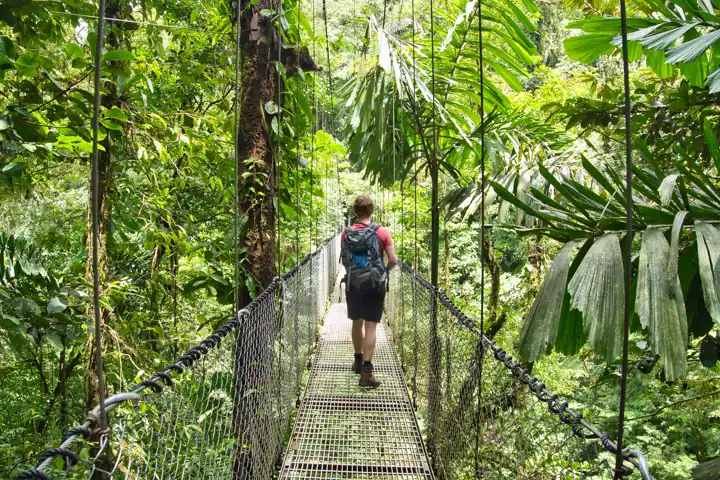
Costa Rica and Panama - Journey Through Two Worlds
See how to combine 13 days in Costa Rica and Panama for a journey that blends adventure, luxury, and authenticity into one unforgettable journey.

Ker & Downey Partners with Bana Ba Letsatsi to Support Botswana's Vulnerable Children
Ker & Downey World Travel partners with Bana Ba Letsatsi children's center in Botswana to build new classrooms for 250+ vulnerable children. Learn how your travel creates positive impact in local communities.

Luxury Travel Itineraries with Ker & Downey World Travel
Discover the magic of tailored travel packages with Ker & Downey World Travel. Enjoy exclusive access to remote destinations, personalized service, and luxury accommodations — all in one seamless itinerary. Let us craft your perfect journey today.

Luxury African Safaris with Ker & Downey World Travel
Discover the magic of an African safari with our tailored travel packages. Enjoy exclusive access to remote destinations, personalized service, and luxury accommodations — all in one seamless itinerary. Let us craft your perfect African safari!
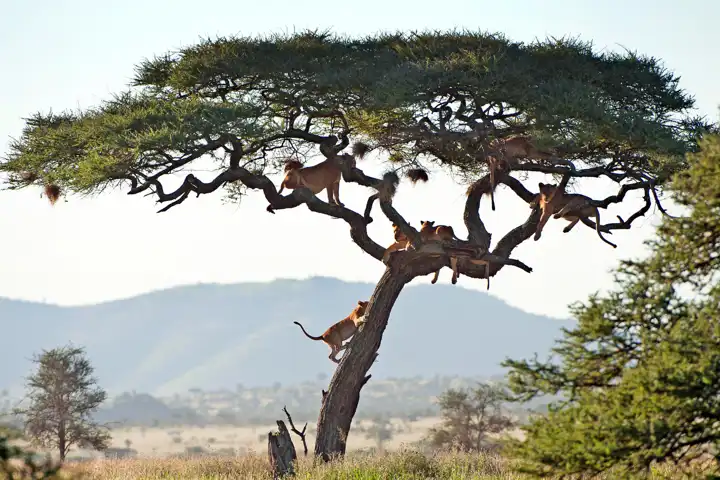
Myth or Majesty? Tracking Uganda's Legendary Tree-Climbing Lions on Safari
Explore a Uganda safari like no other with Uganda's legendary tree-climbing lions. Are these creatures myths? Or the majesty of this East African safari.

Whispers of the Wild: My Unforgettable Hour with Uganda's Mountain Gorillas on Safari
What could be better than a Uganda safari with mountain gorillas? Hear whispers of the wild as you trek through the Uganda mountains in search of these majestic creatures.

Finding Connection and Awe on Your Deep Dive Uganda Safari
A Uganda safari should be full of connection and awe. We take a deep dive on how to make this your most memorable trip ever.

Is a Uganda Safari Africa's Best-Kept Secret?
If you've ever wanted to experience an African safari, a Uganda safari may be your best place to start. We talk about why it's certainly Africa's best-kept secret.

Planning Your Uganda Safari: Seasonal Highlights and The Best Time To Go
If you're thinking about a Uganda safari, the first step is planning. We'll give you the seasonal highlights and the best-kept secrets on when to go.

What to Wear: Ten Days on a Uganda Safari
Planning an African safari can seem like a dream. One of the most important elements of a Uganda safari is what to wear. We examine the terrain and weather, laying out the perfect wardrobe to complement your trip.

Uganda Foods: Travel, Safari and Good Eats in Uganda
While a Uganda safari is sure to be full of adventure and fun, knowing what to eat is essential to having the best possible trip. We'll give you the inside info on good eats in Uganda.

Planning a Uganda Safari? Don't Miss Out on These Special Places
Uganda is full of amazement and wonder. Here are some of the most special places. The ones that closest to our hearts when anyone mentions Uganda safari.
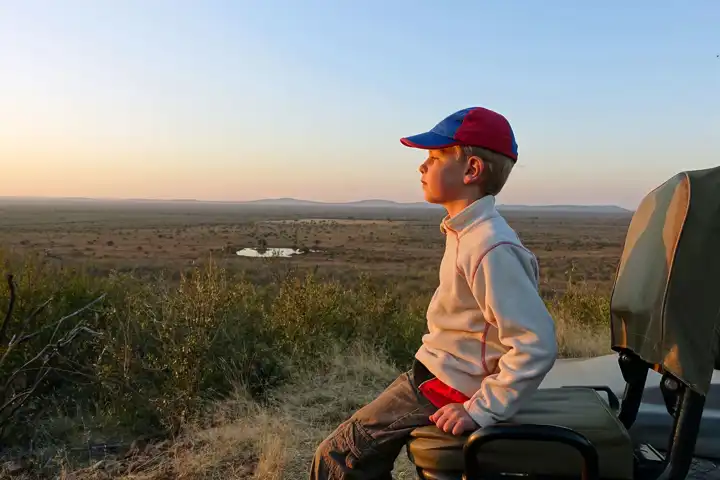
Kid's Safari Packing List
Wondering what to pack for your child’s safari adventure? This kid’s safari packing list covers all the essentials for a stress-free, fun-filled trip.
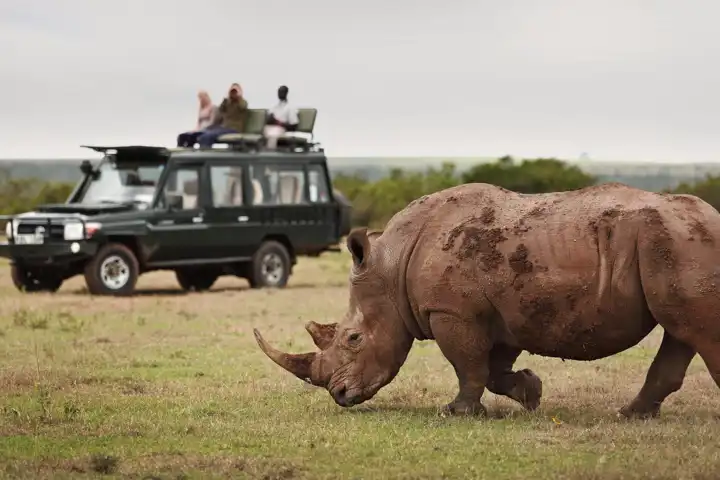
Kenya Family Safaris
A Kenya family safari is a transformative experience. Here's everything you need to know to start panning your family safari to Kenya.
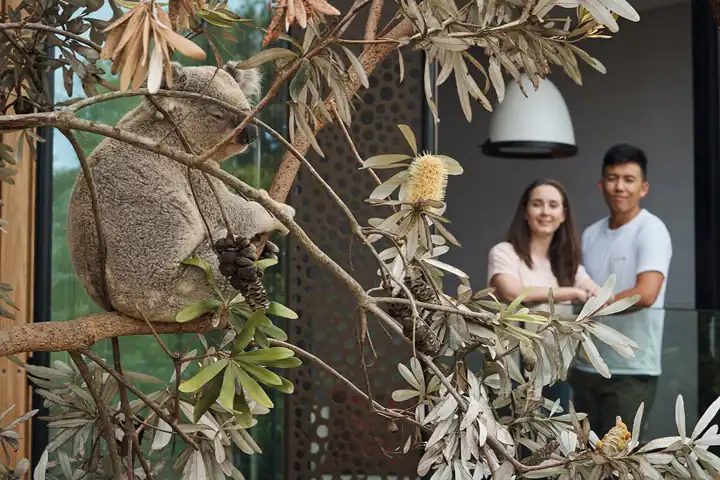
The Wildlife Retreat at Taronga
Experience an unforgettable overnight with Australian wildlife at the Wildlife Retreat at Taronga. Enjoy luxury eco-accommodation, exclusive animal encounters, and breathtaking views—all while supporting vital conservation efforts.
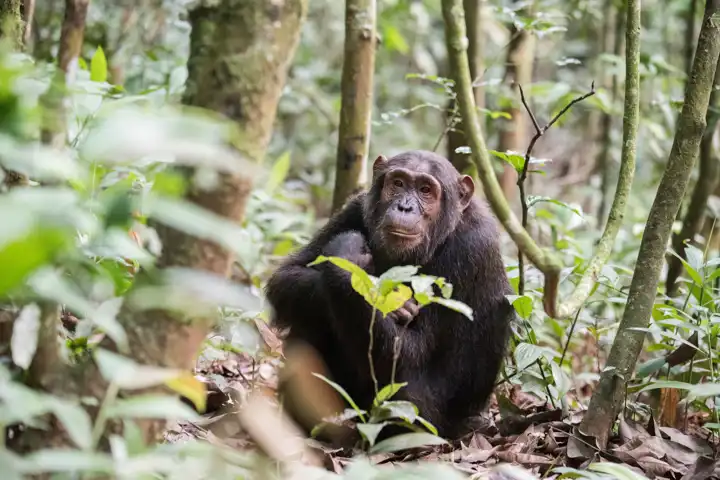
Six Reasons to Travel to Uganda
It may be small, but Uganda has so much to offer. Here are six reasons to go on a luxury Uganda safari.
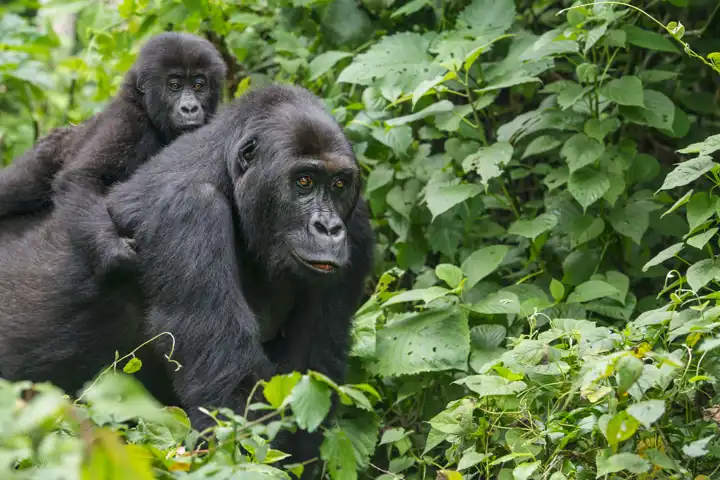
The World's Most Exclusive Primate Safaris
Primate trekking, especially to see mountain gorillas in their natural habitat, is a thrilling adventure many travelers have on their bucket lists. It isn’t a typical wildlife experience. It’s an immersive experience that brings about a profound sense of awe, connection, and accomplishment.
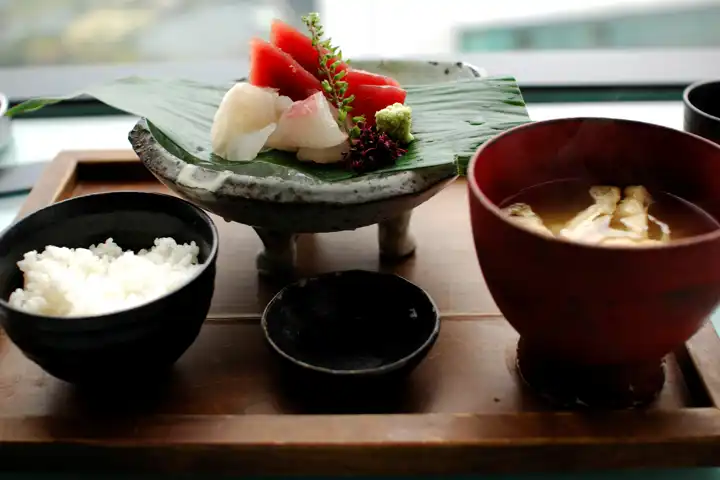
Tokyo Food Tour
Join us on a Tokyo food tour of Michelin-starred restaurants, hidden soba gems, and plant-based fine dining—paired with exclusive cultural experiences and luxury sightseeing in Japan’s vibrant capital.
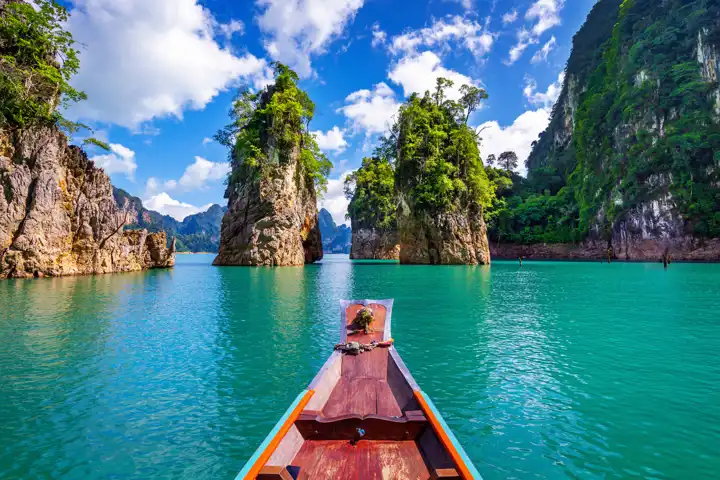
Personalized Thailand Experiences Off the Tourist Circuit
Discover an unforgettable Thailand experience, blending serene landscapes, authentic cultural encounters, and exclusive adventures. From the tranquil canals of Bangkok to the remote Kayan village in Mae Hong Son, these curated adventures unveil the country’s hidden treasures.
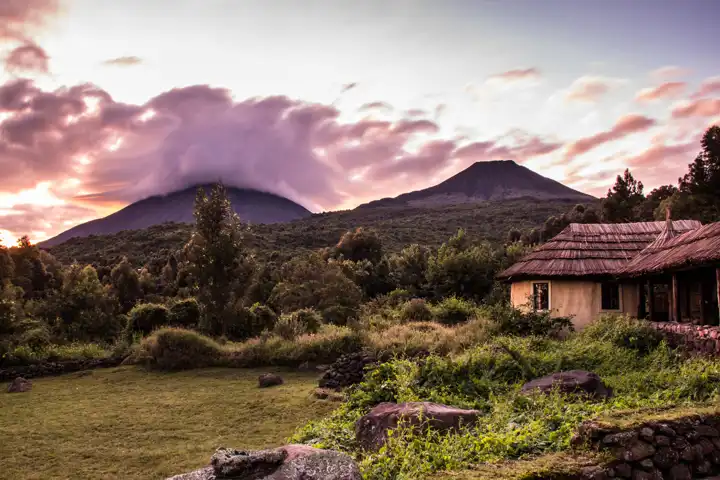
Rwanda Travel Guide
Rwanda is a small country that packs a big punch, delivering on incredible landscapes, equally incredible wildlife, and welcoming people. Within this Rwanda travel guide, you’ll find all the information you need to start planning your trip to the land of a thousand hills.
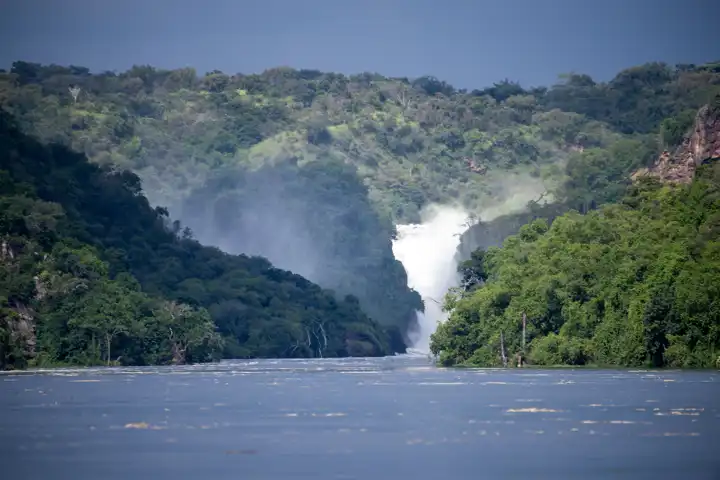
Uganda Travel Guide
Uganda captivates travelers with its untamed wilderness and vibrant culture. This travel guide equips you with everything you need to know for an unforgettable safari adventure, from the best times to visit and must-do activities to travel tips and packing essentials.
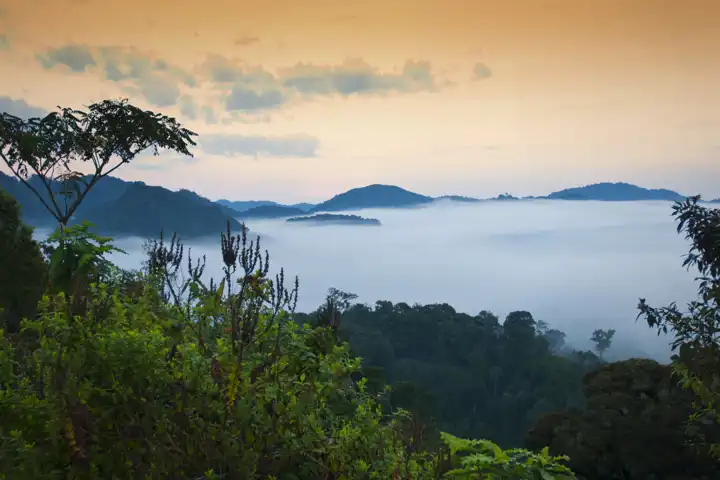
Guide To Rwanda’s National Parks
Rwanda’s remarkable journey of recovery and resilience is showcased through its four major national parks: Volcanoes, Gishwati-Mukura, Akagera, and Nyungwe. These parks, each with its unique history, have been central to the nation’s conservation efforts, transforming Rwanda into a beacon of environmental stewardship and a premier ecotourism destination.
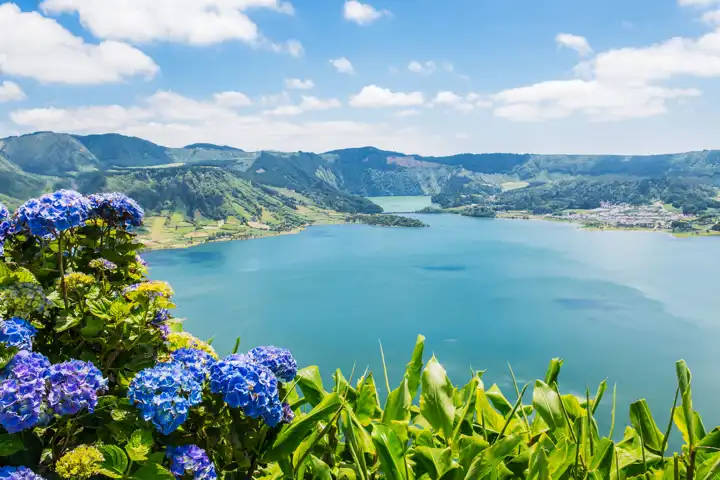
Revenge Travel is Out: Here's What's Replacing It
Revenge travel may be over, but meaningful journeys are just beginning. Discover how to travel responsibly and luxuriously with Ker & Downey.
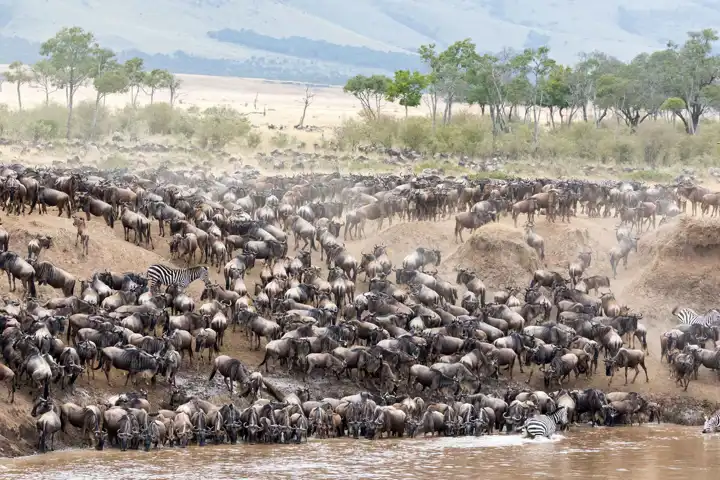
The Great Migration in Kenya
When to Go, What to Expect, & How it Differs from Tanzania
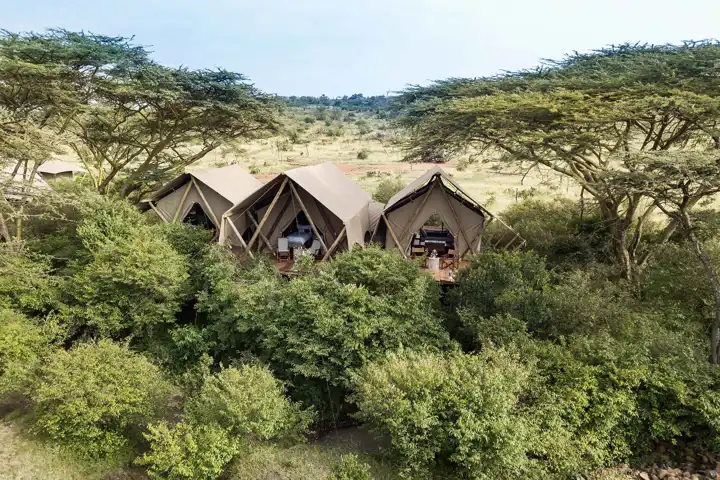
Luxury Safari Lodges in Kenya: Our Curated Picks
Discover the best luxury safari lodges in Kenya for front-row views of the Great Migration. From exclusive tented camps to family-friendly escapes, experience the Masai Mara in comfort and style.
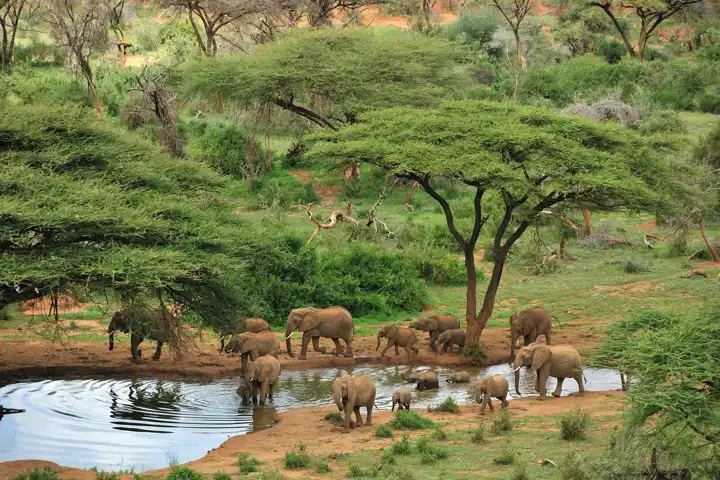
The Ultimate Guide to a Luxury Safari in Kenya
Discover the best time to visit, what to pack, top luxury lodges, and unforgettable experiences in this complete guide to planning a luxury safari in Kenya.
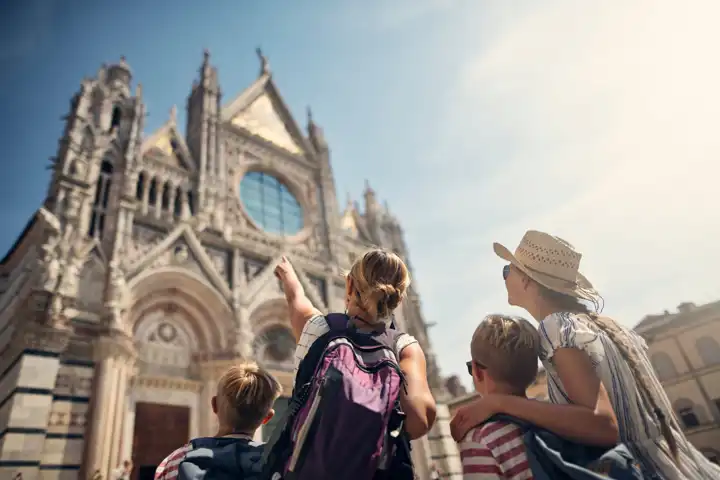
The Best Age For Children to Travel Internationally
Traveling with kids isn’t just possible, it’s an opportunity. In this guide, we’ll explore the ideal age for traveling with your kids and some of our favorite destinations for the best family adventure.
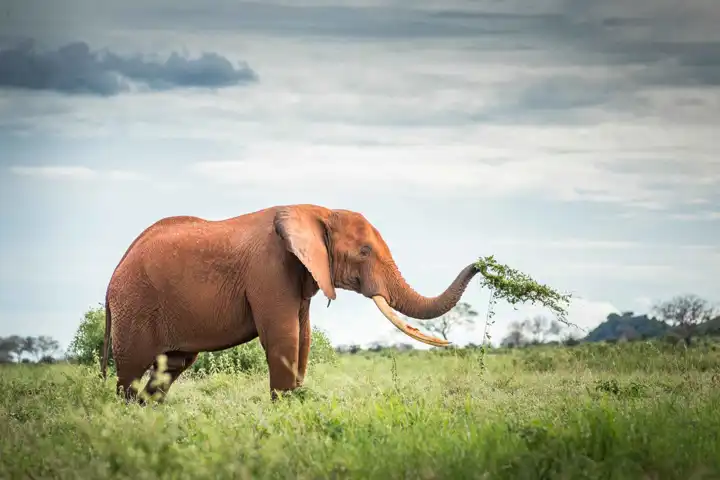
Where to Go on Safari: Kenya’s Best Parks and Private Conservancies
Discover where to go on safari in Kenya with this expert guide to national parks and private conservancies.
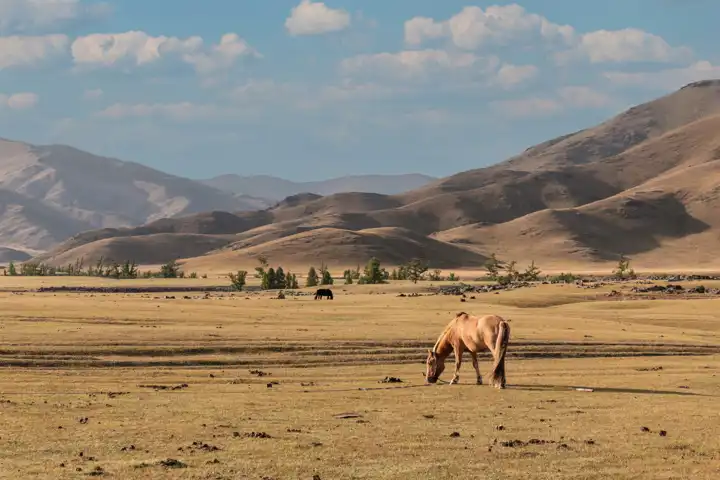
Freedom in the Saddle: Mongolia by Horseback
Writer and adventure traveler Lesley McKenzie embarks on a horseback journey through Mongolia’s Gorkhi-Terelj National Park.
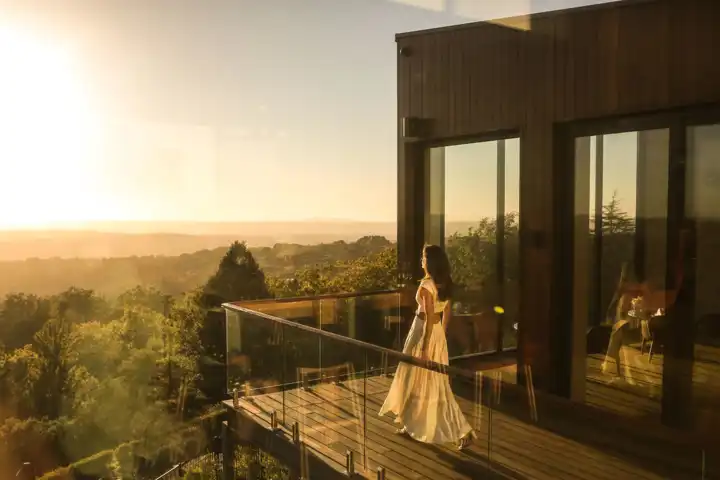
Beyond Adelaide: Discovering the wines and wonders of Adelaide Hills and McLaren Vale
Ker & Downey product manager Vanessa Niven recounts a whirlwind tour of some of South Australia’s best wineries and the property she’s dreaming about returning to.
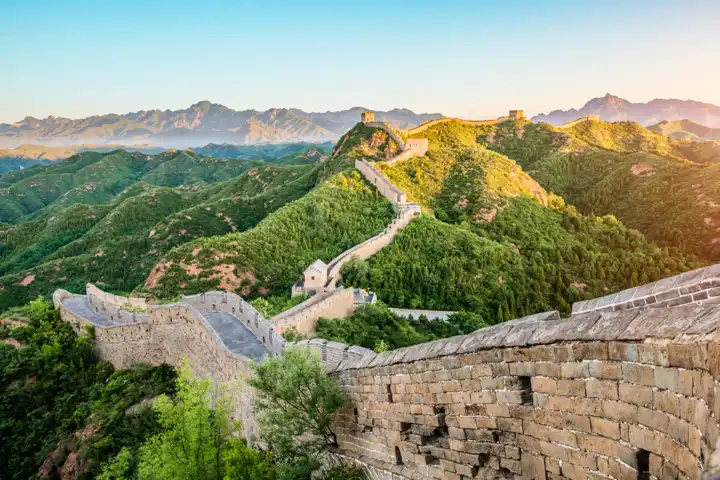
Why Now is the Perfect Time to Rediscover China
For travelers seeking an unparalleled blend of history, culture, and luxury, there has never been a better time to explore China.
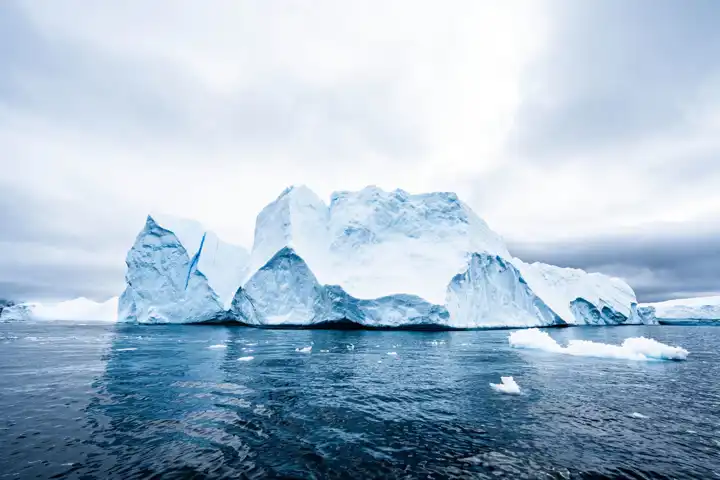
Polar Opposites: Guide to The Arctic and Antarctica
Elizabeth Frels outlines the key differences—and similarities—between the Earth's most unexplored regions.
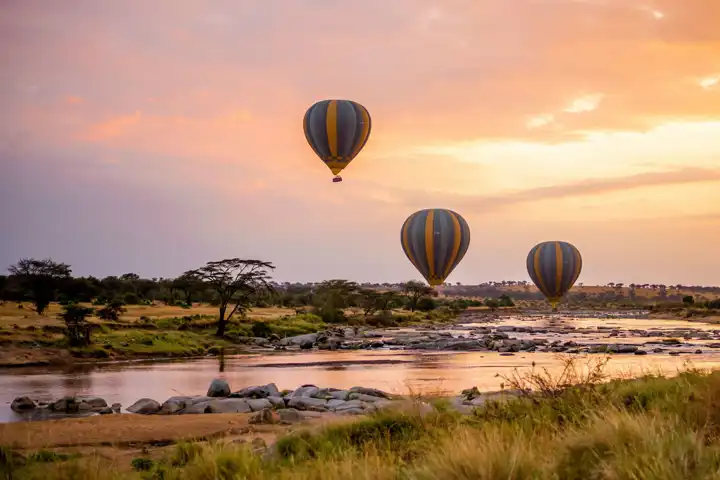
The Rhythms of the Serengeti
The Serengeti’s beauty unfolds in a breathtaking rhythm of wilderness, wonder, and timeless adventure.
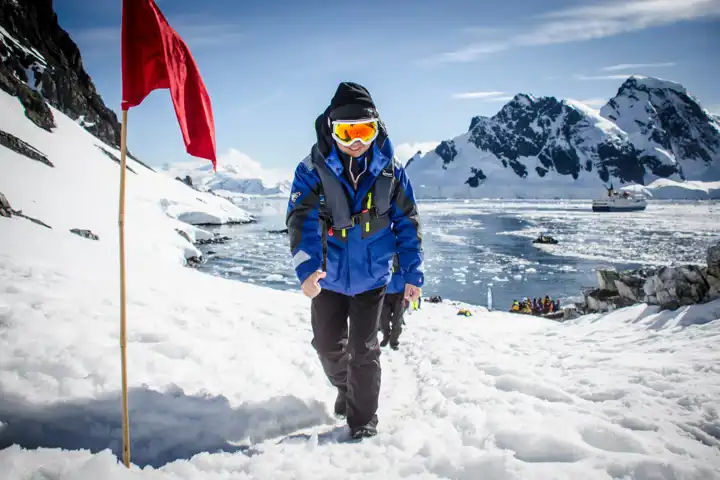
Polar Products and Packing Guide
Quality gear is critical when visiting the coldest place on Earth. We recommend bringing these items with you on your once-in-a-lifetime expedition to Antarctica or the Arctic.
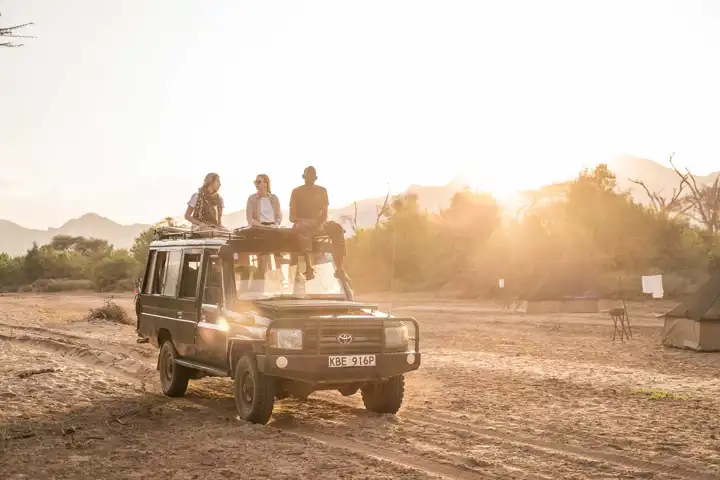
Sarara Camp
Ker & Downey's Luxury Travel Expert Mary Jean Eraci finds luxury and exclusivity in the northern reaches of Kenya at at Sarara Camp.
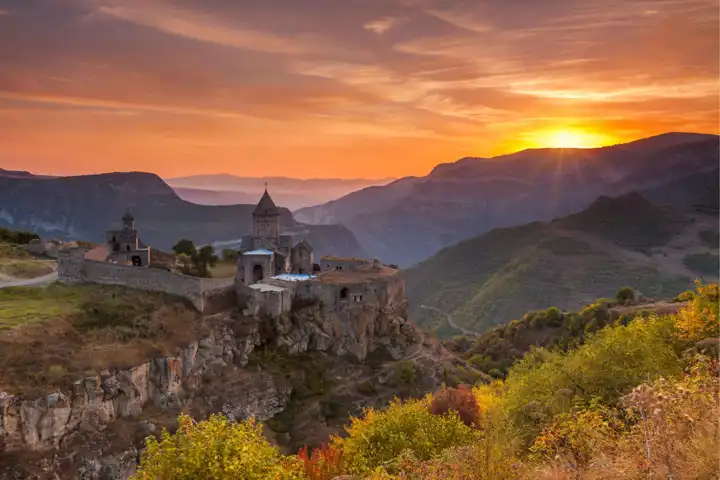
Treasures Of The Caucasus
Travel designer Trista Gage journeys through Georgia and Armenia, savoring flavorful cuisine and immersing herself in ancient faith.
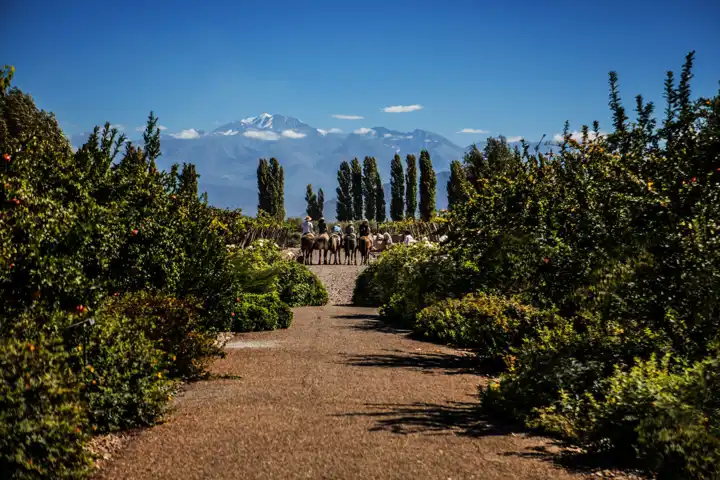
Vistas Among the Vines
Ker & Downey's Katie Conover embarks on a journey through Chile and Argentina's finest wine valleys and estates.
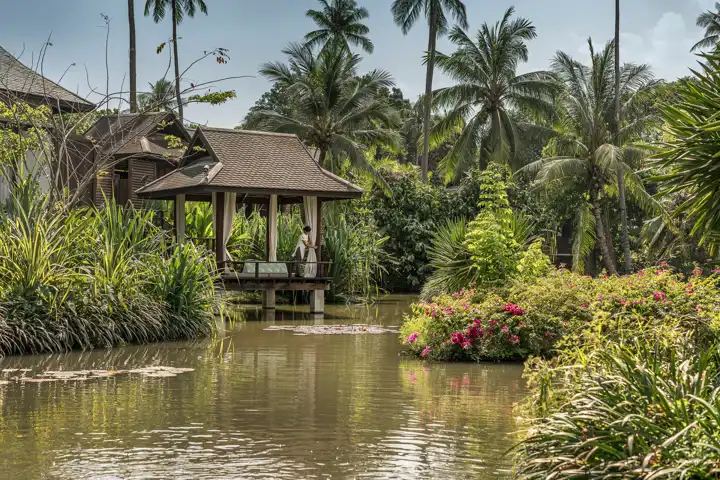
From Screen to Scene: Exploring Iconic Filming Locations
Discover the real-world destinations that bring your favorite on-screen stories to life.
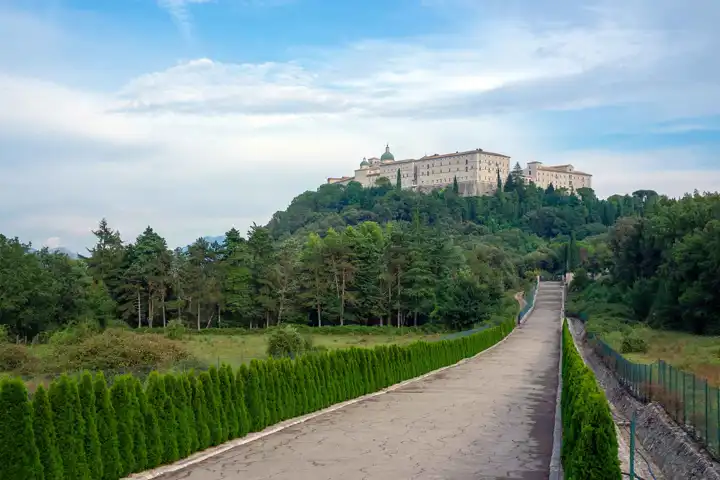
The Southern Front: World War 2 Sites in Italy
Discover WWII sites in Italy, from Anzio and Monte Cassino to Naples and Livorno. Follow the Italian Campaign’s historic battles, memorials, and resistance.
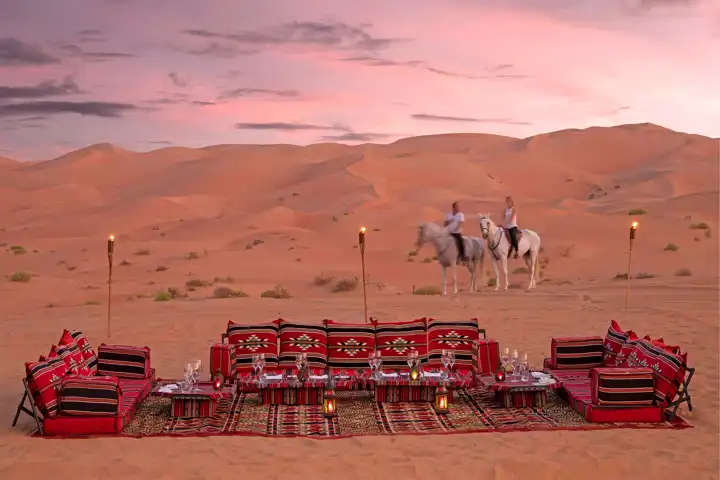
Sand, Sun, and Splendor: Your Ultimate Guide to Abu Dhabi
Where opulent luxury blends with a rich tapestry of cultural heritage, world-class museums stand alongside bustling souks, and the silence of the dunes gives way to the city's vibrant energy.
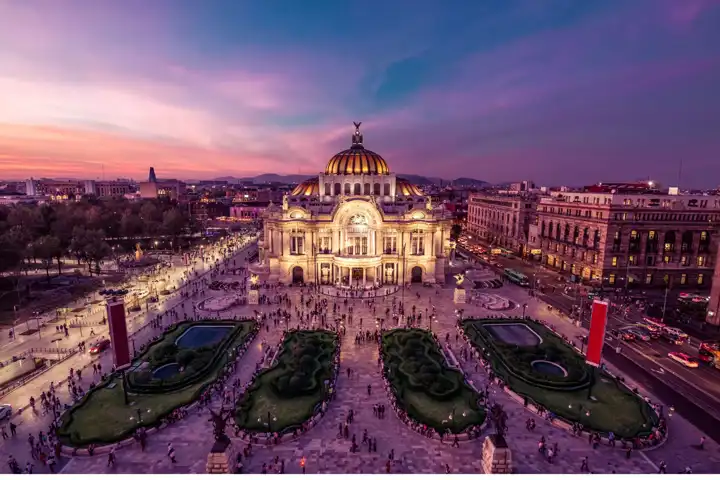
For El Amor of Mexico City
Amy Willis explains why Mexico City continues to capture her heart and imagination.
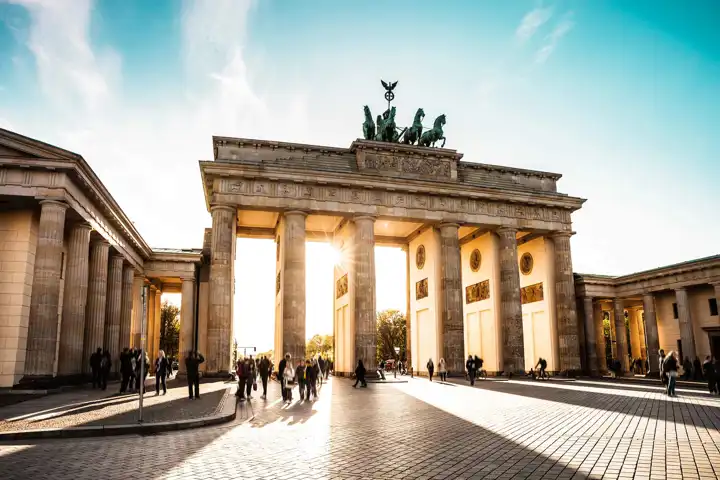
The Eastern Front and the Holocaust: WWII Sites in Germany and Poland
Trace the powerful legacy of WWII through the Eastern Front and Holocaust sites across Germany and Poland.
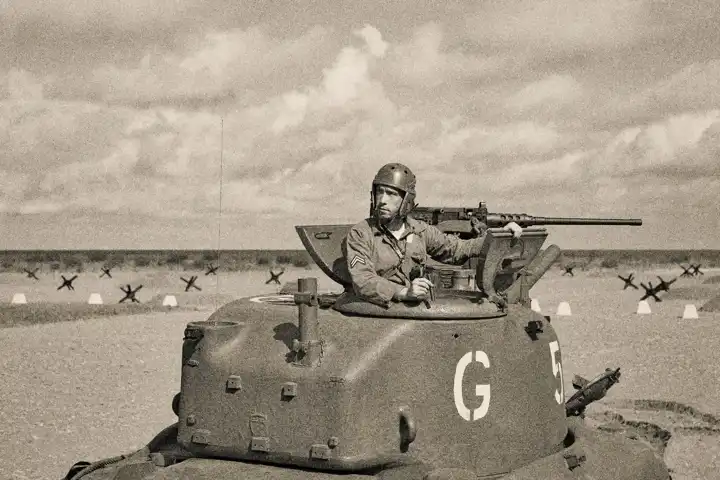
The Western Front: A Guide to World War II Tours in Europe
Step back in time with this immersive guide to World War 2 tours along the Western Front.
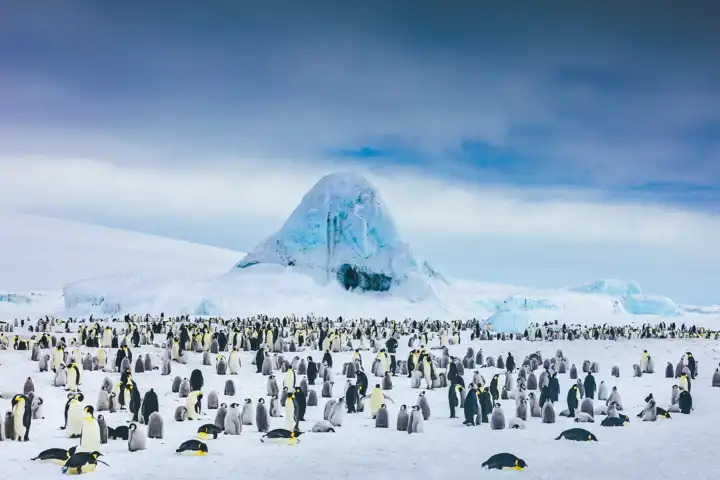
Antartica's Hidden Gems
Discover tours to Falkland Islands and South Georgia and beyond with Ker & Downey. Learn about the extraordinary experiences the Falkland Islands, South Georgia Island, and Snow Hill Island can offer and how Ker & Downey can take you there.
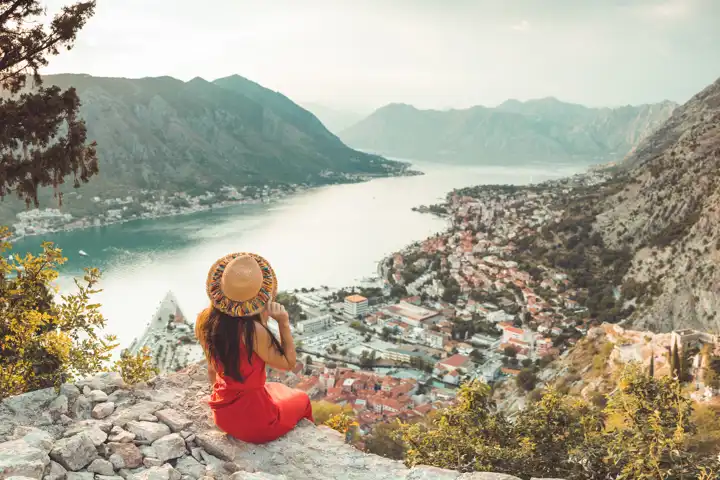
Luxury Balkan Tours with Ker & Downey
Explore stunning Adriatic coastlines, historic towns, and hidden gems across multiple countries — all in one seamless, luxury itinerary.
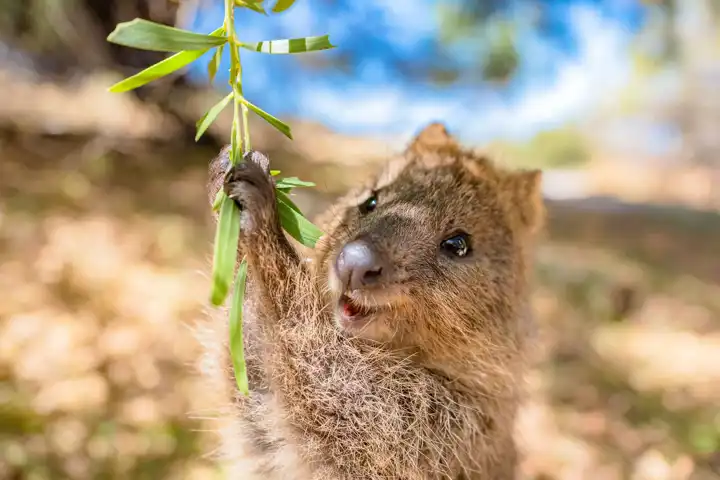
Unique Wildlife Experiences in Australia
Whether you're short on time or ready for an island adventure, here are four must-visit destinations for unforgettable wildlife encounters in Australia.
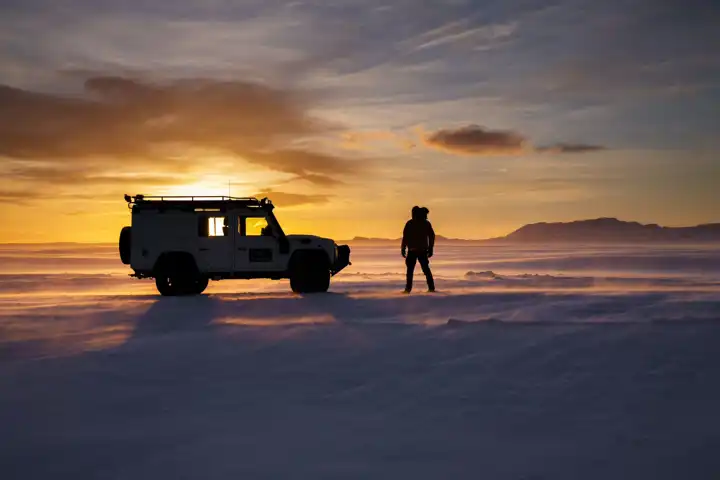
The 2026 Eclipse Over Greenland, Iceland, and Spain
Witness the 2026 eclipse in stunning destinations like Greenland, Iceland, or Spain. Explore curated luxury travel experiences with Ker & Downey, blending cosmic wonder with unforgettable landscapes.
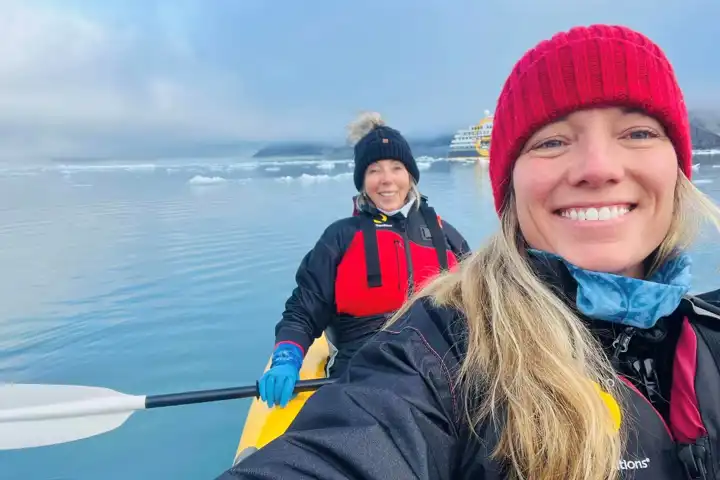
Greenland Expedition Cruise: Catherine's Trip Report
Ker & Downey Travel Designer Catherine Brown recently experienced a Greenland expedition cruise. Learn about her thrilling experiences and her tips on the best time to travel to Greenland.
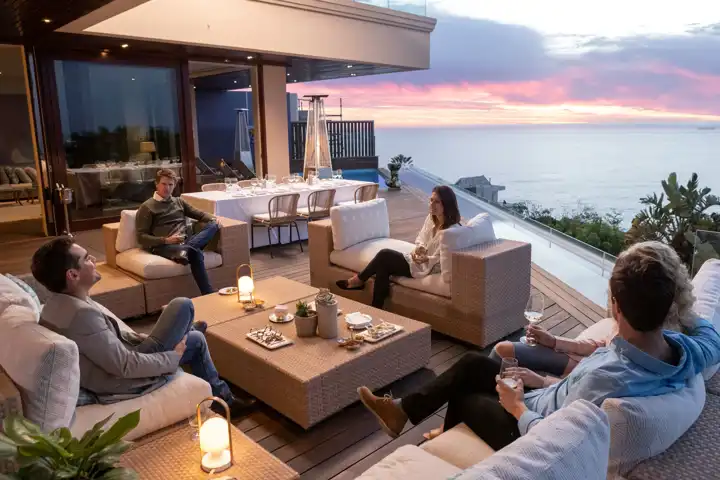
Family Fun: A South African Private Villa Safari
Experience the perfect blend of family fun, stylish accommodations, and thrilling activities on a private villa journey through Cape Town, the Thornybush Game Reserve, and the Waterberg in South Africa
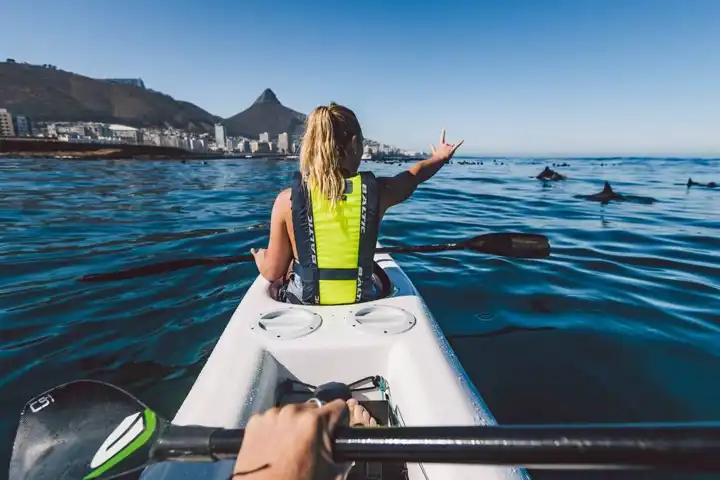
Beyond the Bush: Exploring Cape Town
Embark on an unforgettable African safari in Cape Town and its surrounding areas, where you can experience everything from pristine beaches and ancient Bushmen rock art to thrilling shark diving and luxury safari lodges.
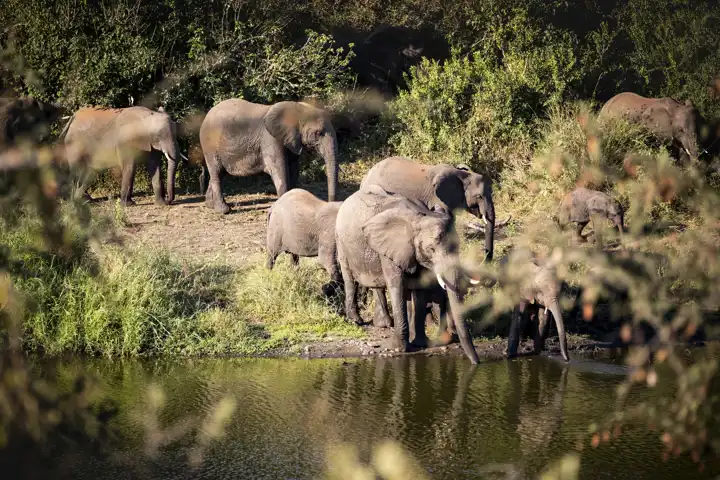
My South African Adventure
Ker & Downey Travel Designer Jamie Bell shares why she loves returning to Africa, time and time again.
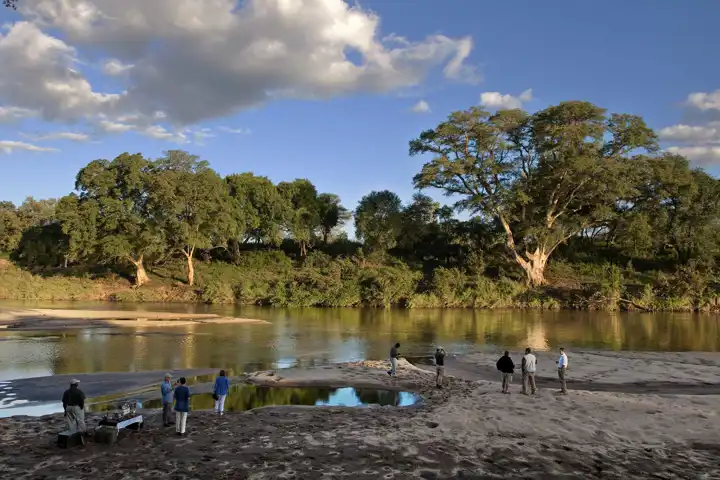
Walking Safaris in South Africa
Ker & Downey Travel Designer Trista Gage shares why a walking safari is one of her favorite things to do on a luxury African safari in South Africa.
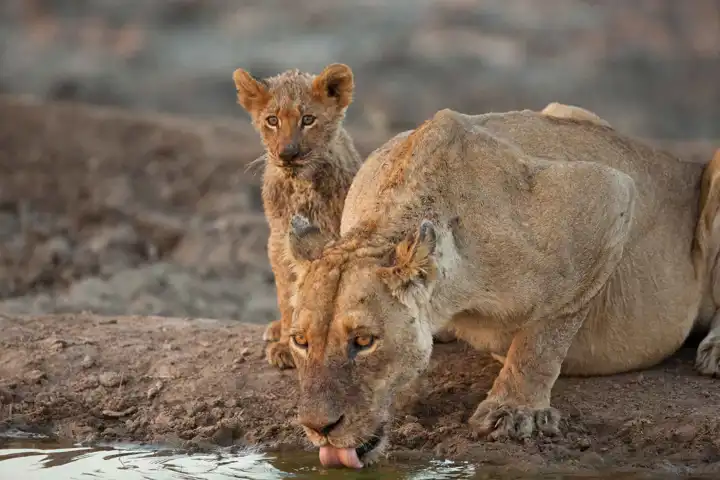
A Day in the Life on a South African Safari
Discover the magic of an African safari as Ker & Downey's own Haley Beham recounts a day in the life on a South African safari adventure.
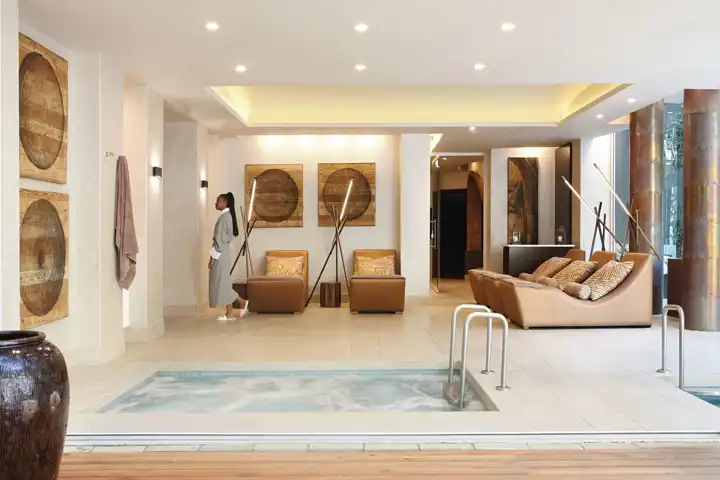
6 Best South African Safari Spas
From safari to spa: Ker & Downey shares its top picks for the best African safari spas in South Africa.
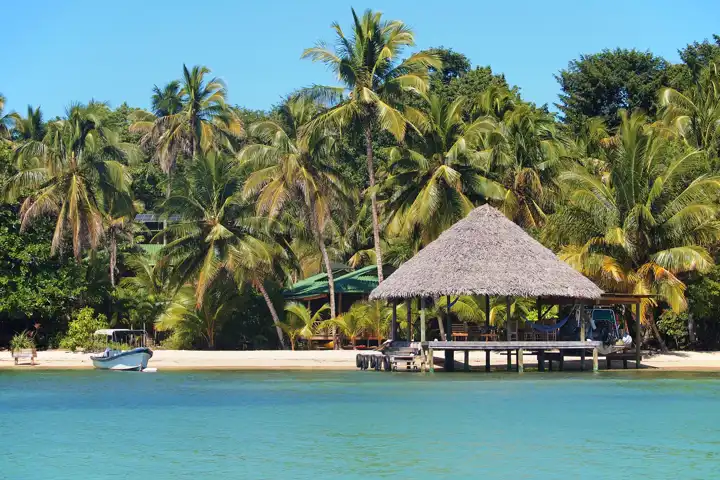
6 Reasons Why You Should Visit Panama
Ker & Downey outlines why luxury travelers should visit Panama. From easy connectivity to world-class accommodations, Panama has it all.
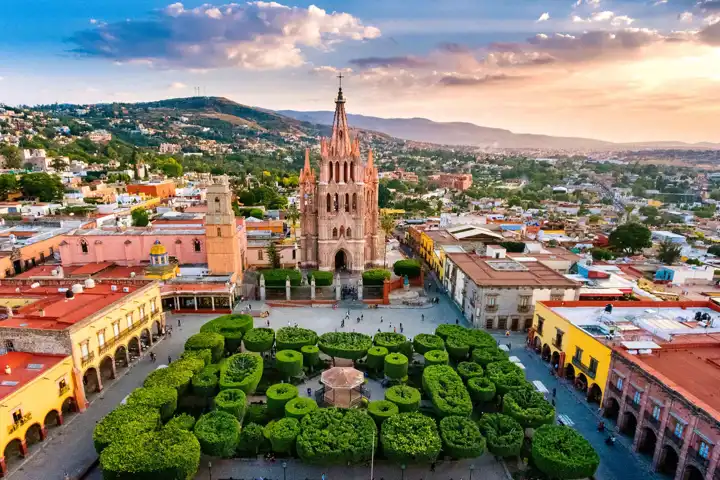
The Top Things to Do in San Miguel de Allende: A Travel Guide
San Miguel de Allende is a city that captivates travelers with its well-preserved colonial architecture and dynamic cultural offerings. In this San Miguel de Allende travel guide, we’ll explore some of the top things to do in this UNESCO World Heritage site.
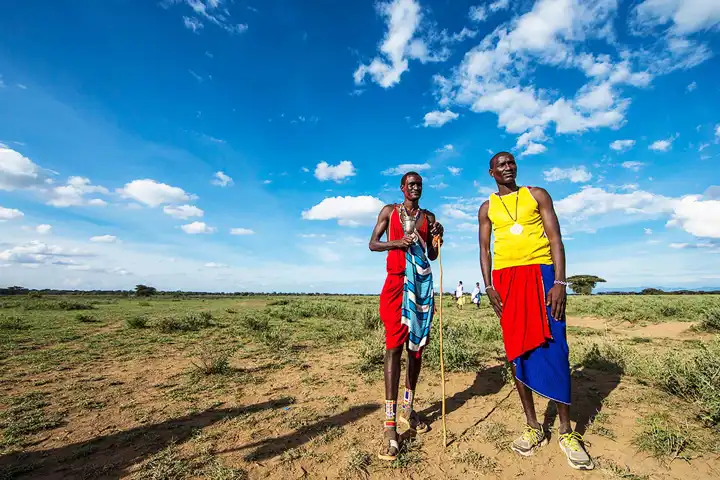
The Maasai Olympics
The Maasai Olympics are a biennial event making strides to change the Maasai culture of lion hunting for status encouraging warriors to 'hunt for medals, not lions."
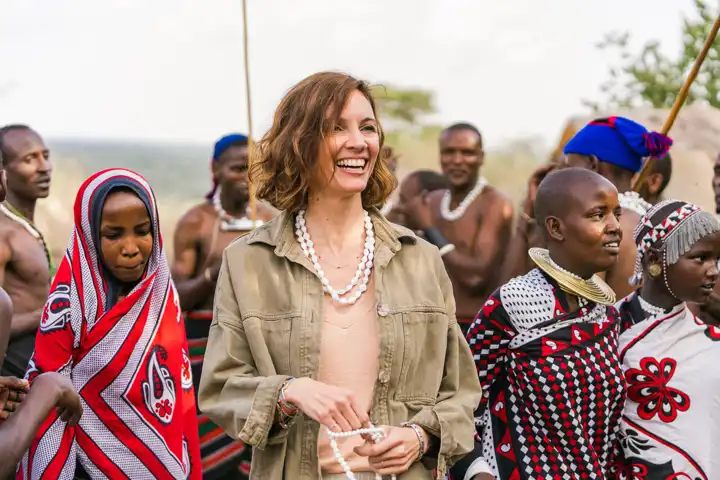
East Africa Packing List
Our East Africa packing list provides a good guideline for what to pack for your safari to Kenya and Tanzania.
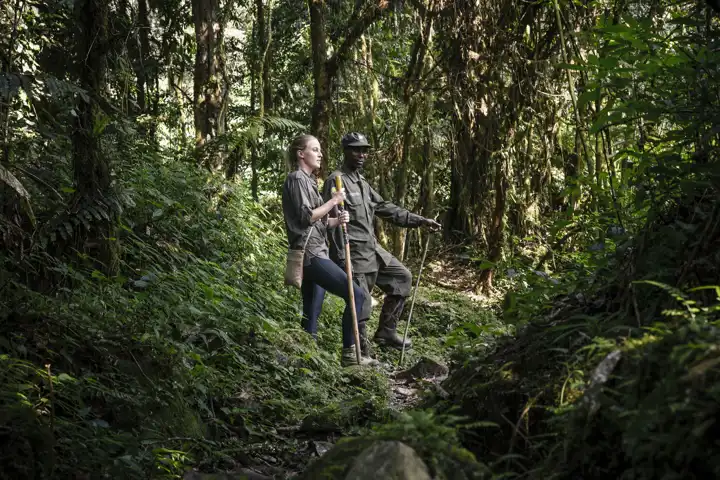
Primate Trekking Packing List
This Africa packing list gives a good guideline for what to pack for primate trekking safari in Rwanda, Uganda, and/or Republic of Congo.
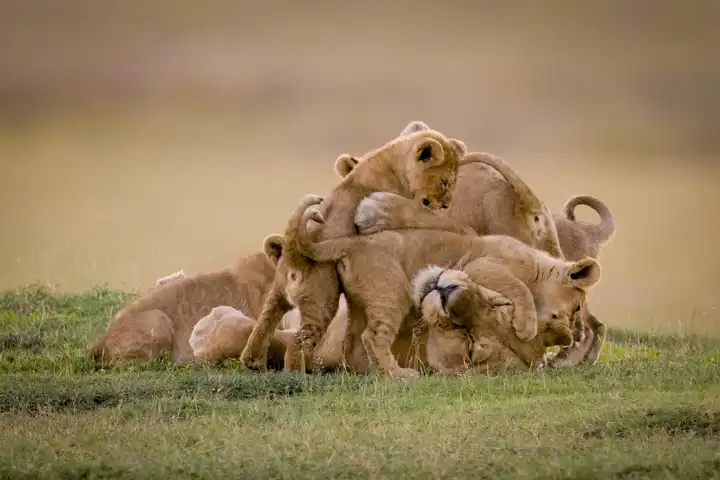
Tanzania Safari for Families: An Unforgettable Adventure for All Ages
They've seen The Lion King and Mufasa, but now it's time to see the stars of the show in the wild. Embark on a family Tanzania safari and discover a sanctuary for wildlife while pursuing adventure and lasting memories.
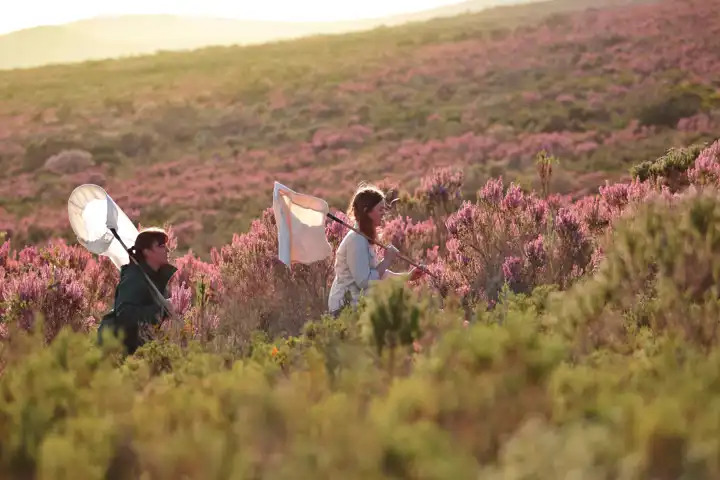
Southern Africa Packing List
Our Southern Africa packing list provides you with a good guideline for what to pack for your trip to South Africa, Botswana, Namibia, Zimbabwe, Zambia, and Madagascar.
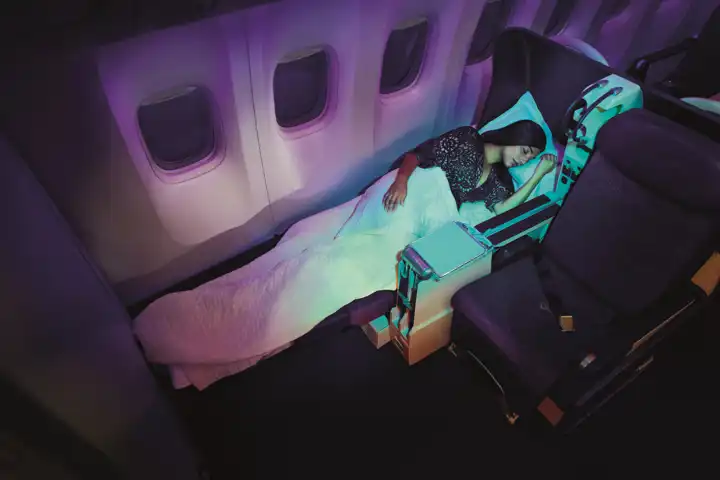
The Ker & Downey Guide to Beating Jet Lag
Traveling across time zones can be a thrilling adventure. However, one challenge even the most seasoned travelers face is jet lag. Here's how to minimize jet lag and make the most of your journey.
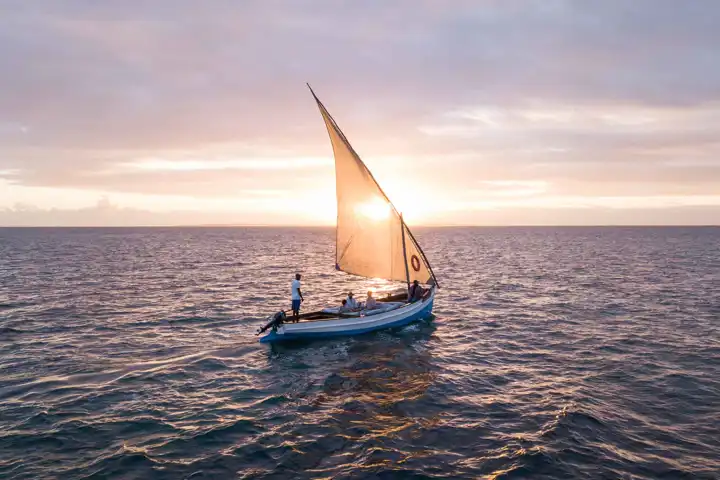
The Trend: Thrifty Trips for Two
Romance is in the air! Here's our guide on where to go for a reasonably priced romantic escape.
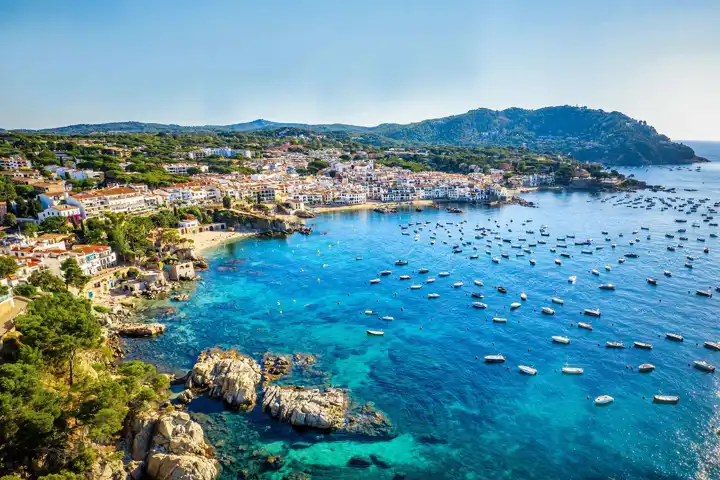
Costa Brava: A Mediterranean Masterpiece
Costa Brava is Northern Spain’s coastal Mediterranean gem, just shy of two hours from Barcelona. Here's our guide to make the most of your time in Costa Brava.
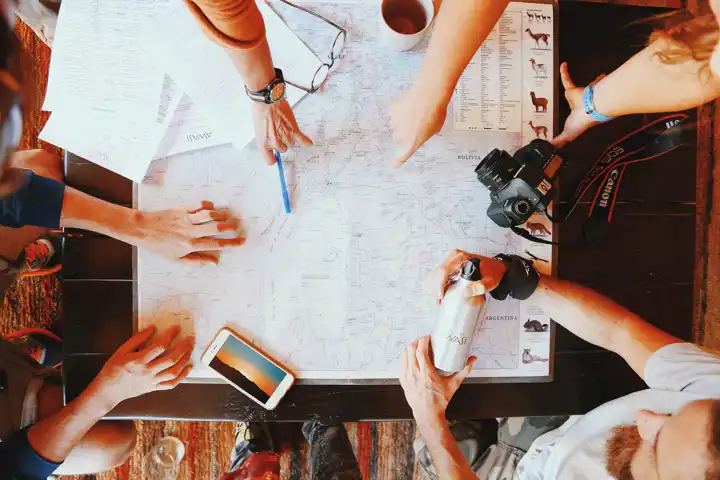
A Mini Guide to Exploring the Wonders of Off-Season Travel
Rethink your travel plans with our guide to traveling during the off-season. Discover hidden gems, immerse yourself in local culture, and savor the freedom of exploring without the frenzy.
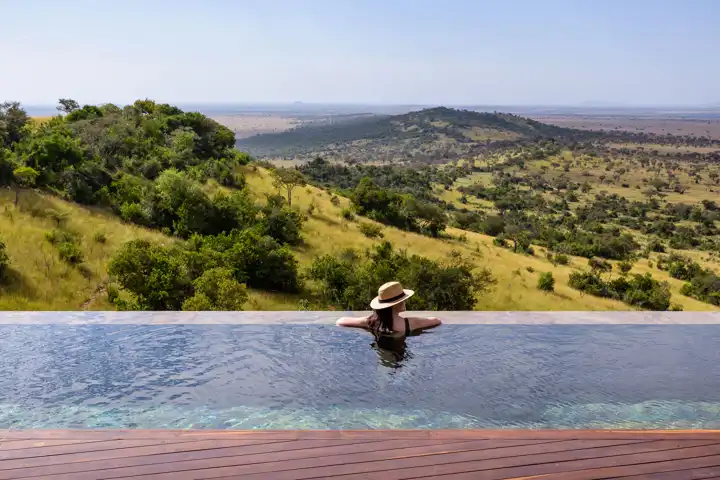
2024: Another Amazing Year of Travel
Journey along with us as we look back at another amazing year in travel.
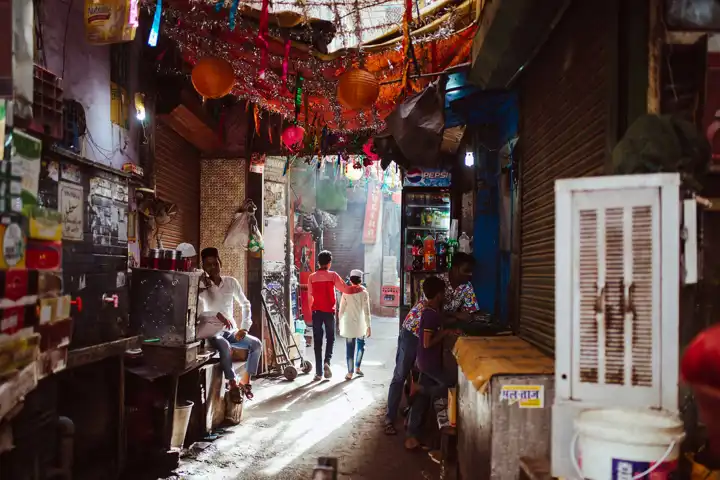
Awakened India
From chaotic Delhi to sacred Varanasi, Travel Designer Catherine Brown recalls why India is one of her favorite countries.
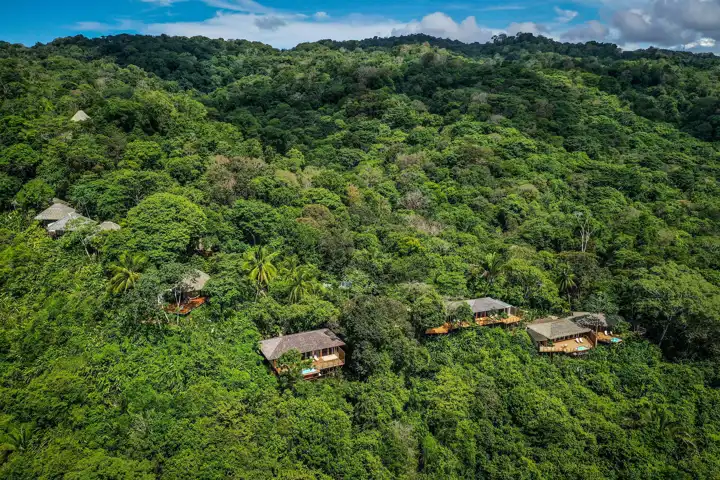
Costa Rica's Best-Kept Secrets
For such a popular travel destination, Costa Rica still has plenty of surprises left to uncover.
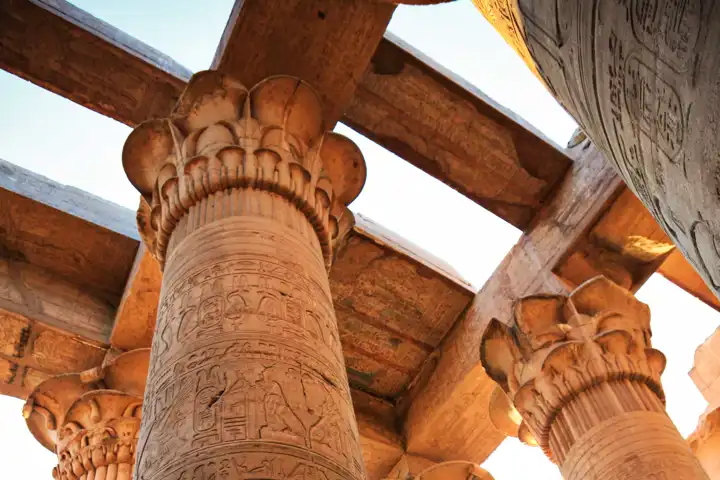
Down the Nile
Experience the land of pharaohs by water on a luxury Nile River cruise.
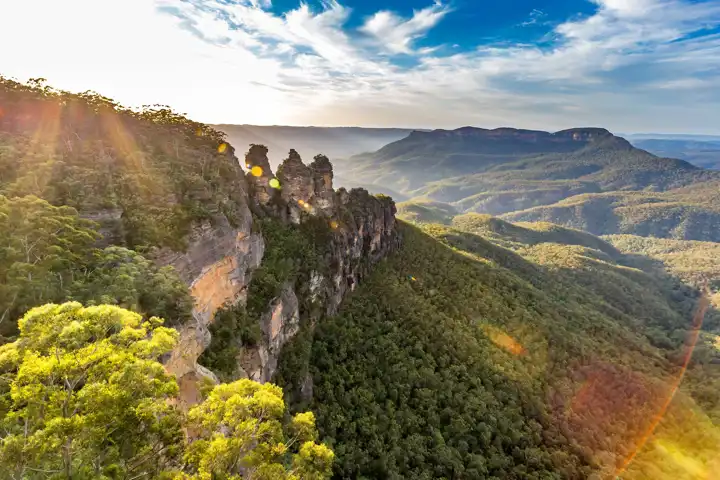
Australia - Our 2025 Destination of the Year
In 2025, we invite you to discover Australia with Ker & Downey.
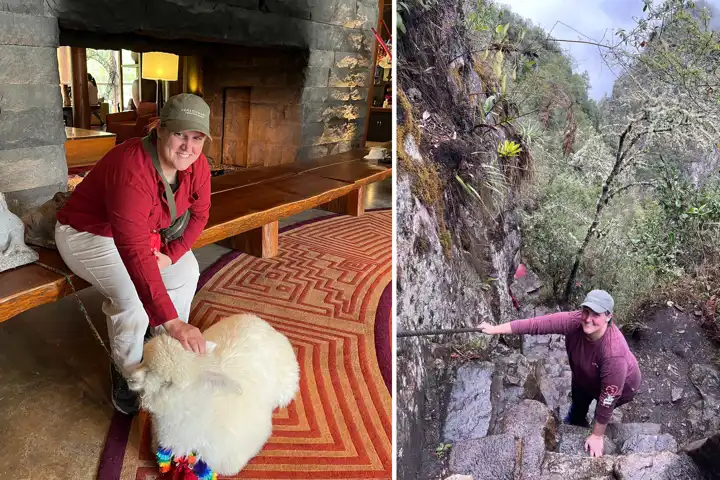
AmiLynn's Peru Trip Report
These are AmiLynn's Peru travel tips based on her recent journey through Lima, the Sacred Valley, Machu Picchu, and Cusco.
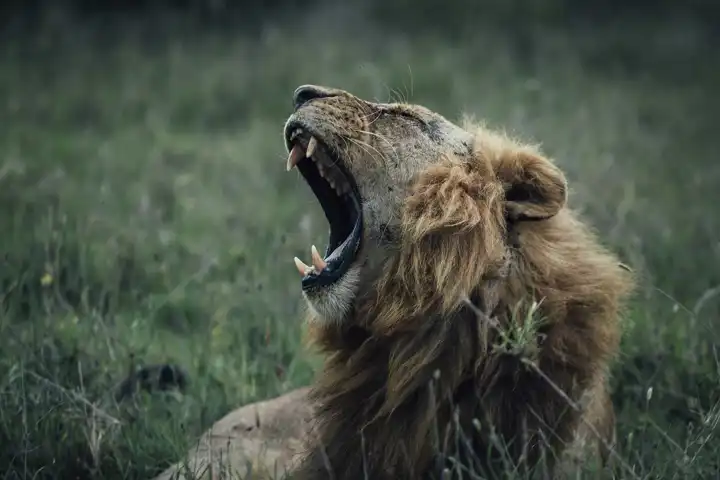
The Big Five Conservancies
As Seen in QUEST Magazine: How five Kenya conservancies are preserving land, wildlife, and culture for generations to come.
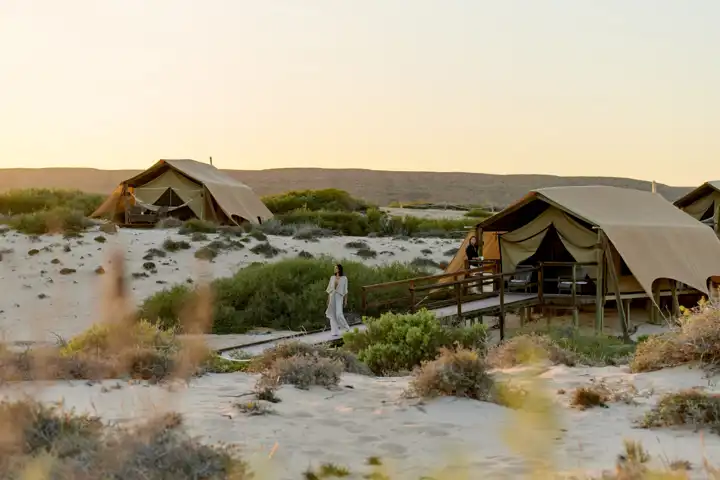
Where to Stay in Australia: Luxury Lodges of Australia
Comfort meets adventure in Australia with a collection of exceptional accommodations that blend indulgence, sustainability, and unparalleled access to some of the country’s most iconic landscapes.
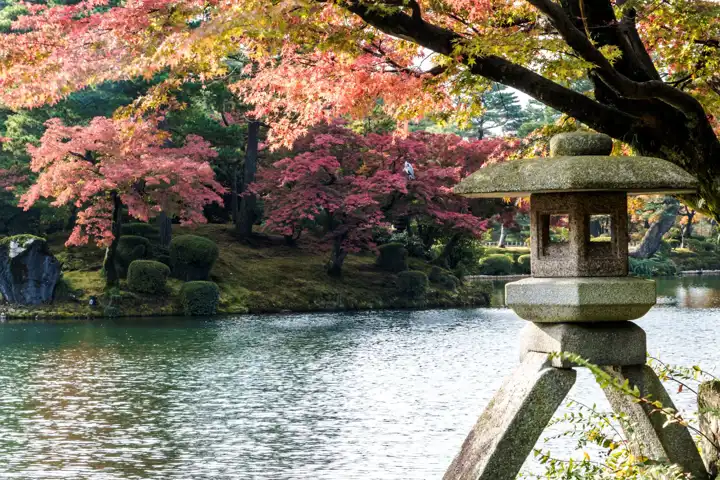
Ishikawa Travel Guide
Experience luxury ryokans, cultural treasures, artisanal crafts, delicious cuisine, and more when you travel to Kanazawa and Kaga in Japan's Ishikawa Prefecture.
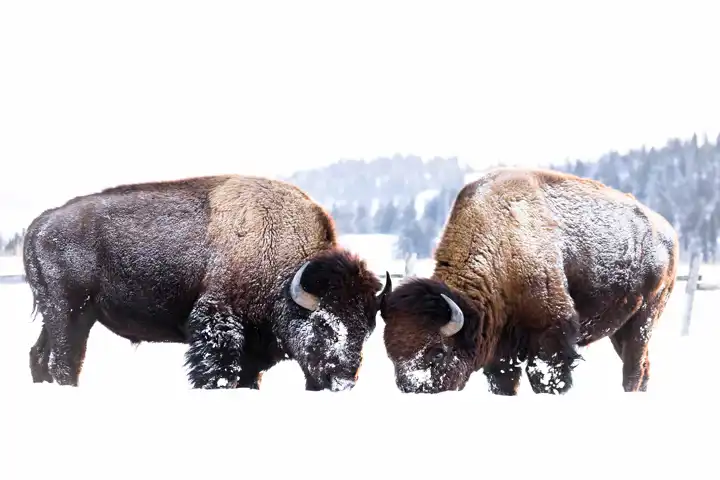
Below the Surface
Why Visiting Wyoming in the winter offers more than ski slopes and hot toddies.
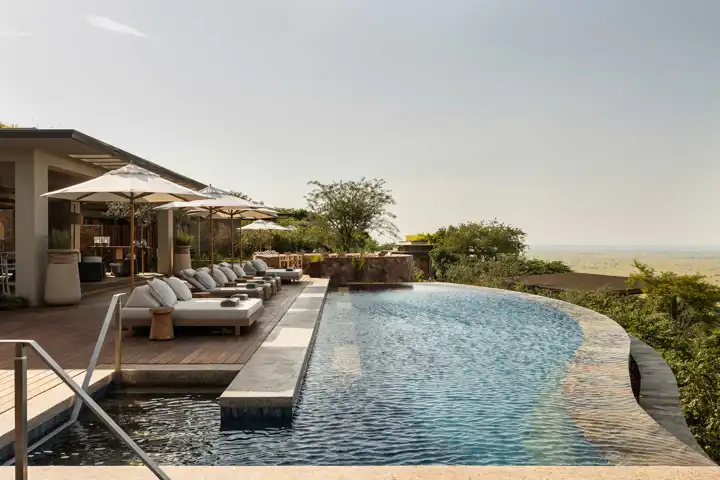
Arrivals: New Hotel Openings and Revamps, Fall 2024
The Latest Hotel Openings, Revamps, and Travel News, as featured in the Fall 2024 Off Season Issue of QUEST Magazine.
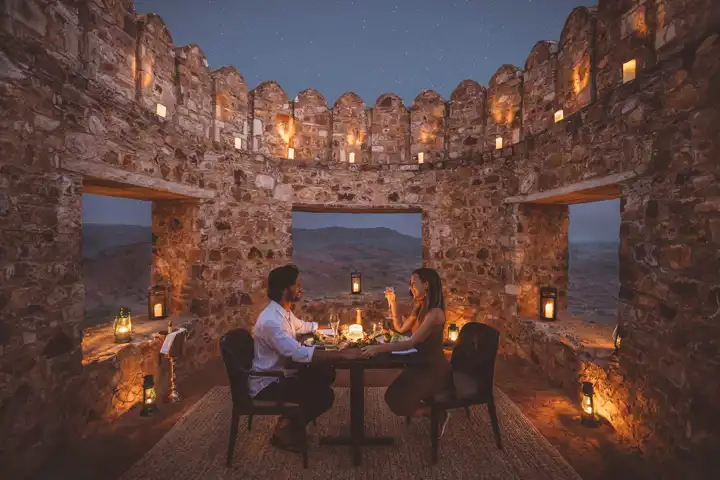
The Best Dining Experiences Around the World
Go on a culinary journey that takes you to the far corners of the world, where dining becomes not just a tasty experience but a full-body experience that uses all your senses.
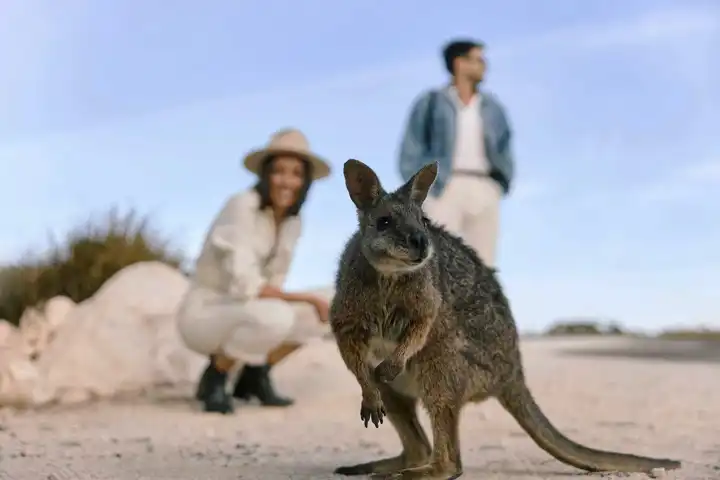
South Australia: Wine, Wildlife, and Wonderment on Kangaroo Island
Ker & Downey’s South Pacific Product Manager Vanessa Niven recaps a delightful journey through South Australia in the off season, learning firsthand why Australia truly is a year-round destination.
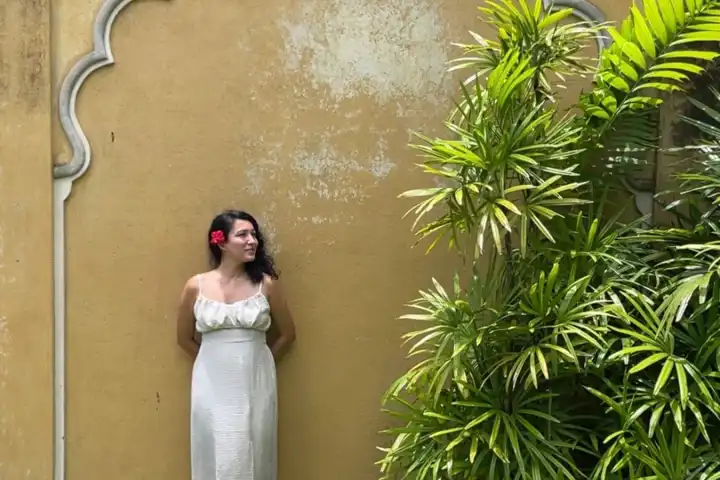
Sri Lanka Travel Guide
Ker & Downey’s Rina Chandarana shares why luxury travelers should add this island nation to their travel bucket list.
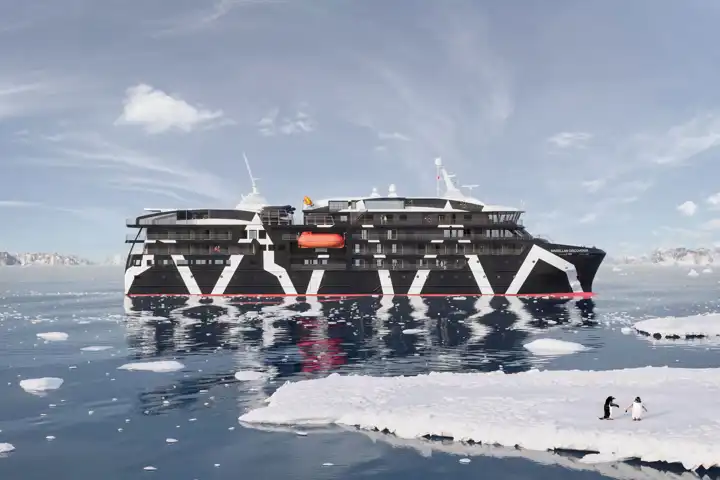
Magellan Discoverer
The Magellan Discoverer, launching in 2026, will become the most innovative Antarctica expedition cruise vessel sailing the White Continent.
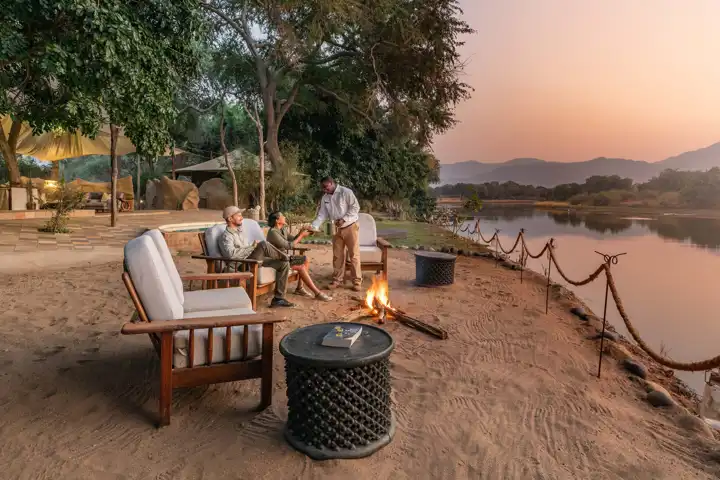
How to Choose Your Perfect Destination
Imagine planning your next luxury vacation package—the excitement of new places, relaxation, and adventure. Choosing the perfect destination is the first step in making it unforgettable. Whether you’re dreaming of sunny beaches, cultural experiences, or thrilling adventures, finding the right spot takes a bit of thought.
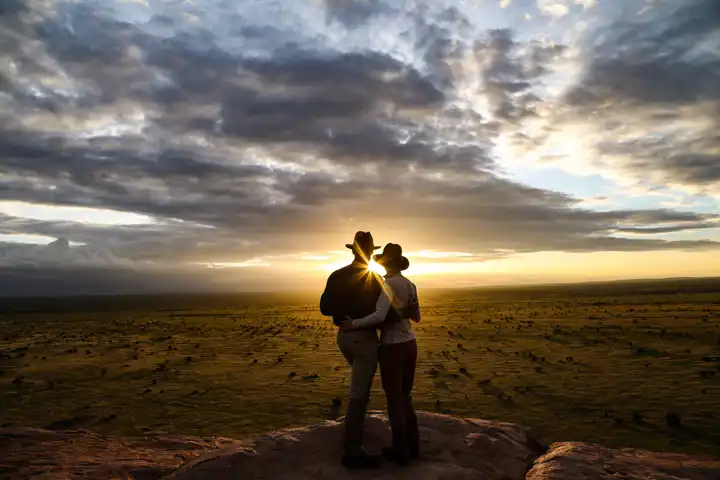
Top 10 Tips for Planning Your Luxury Journey
Top 10 Tips for Planning the Ultimate Luxury Journey: Elevate Your Travel with Exclusive Destinations, High-End Experiences, and Expert Advice
Your Ultimate Guide to Traveling with Ker & Downey
Traveling with Ker & Downey is easy and streamlined—we simplify luxury travel packages to give you a tailored experience anywhere in the world.
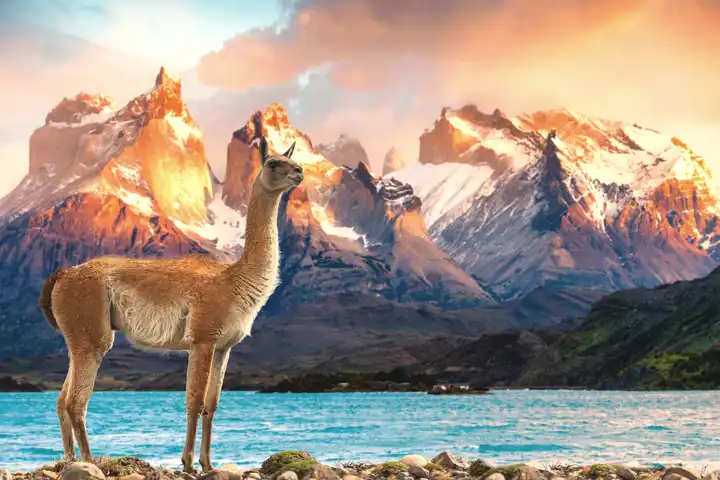
The Ultimate Patagonia Packing List
From glaciers to forests and vast plains to peaks, your Patagonia packing list needs to reflect the region's many terrains and weather conditions. Follow Ker & Downey's guide to help you discern what to pack for Patagonia.

The Benefits of an Antarctica Small Ship Expedition Cruise
Small ship expedition cruises offer a range of benefits, from high guide to guest ratios, more time for shore excursions, and environmentally friendly practices.
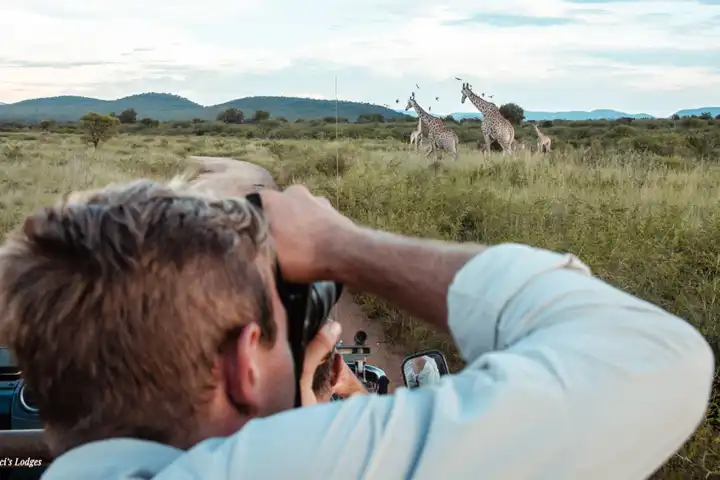
Africa in 2025
Discover why 2025 is the ideal year to visit Africa. Explore unique travel opportunities, top destinations, and custom itineraries tailored to your dream African experience.
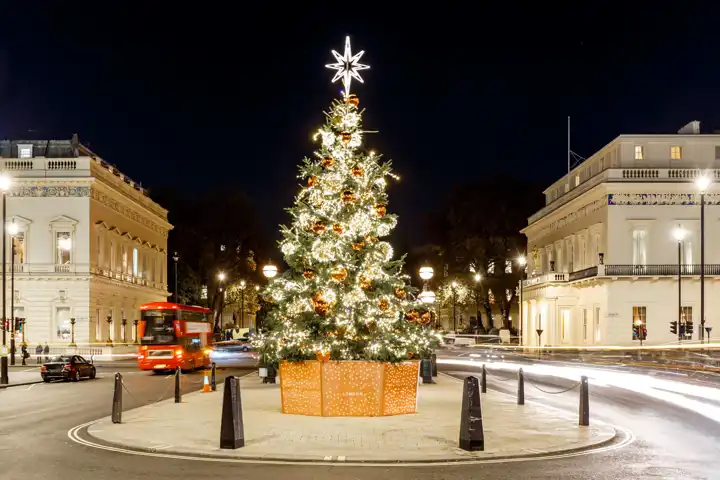
Spend Christmas in London
Spend Christmas in London with Ker & Downey. Explore some of our favorite holiday experiences, including ice skating, festive market shopping, glass-roof cab tours, and more.
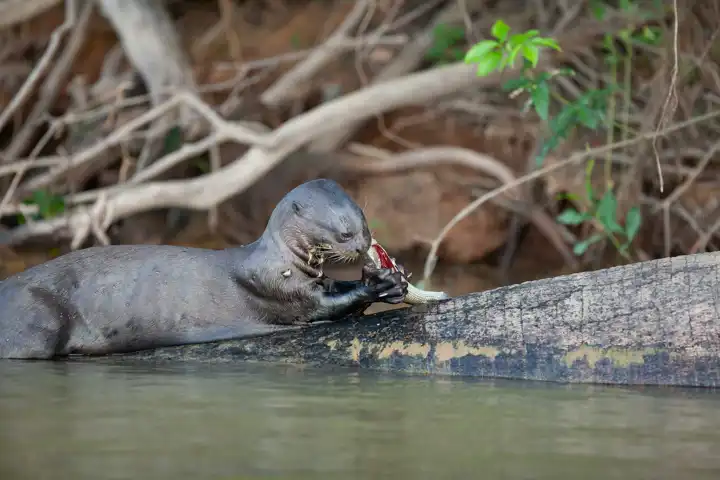
The World's Most Elusive Wildlife
Discover the world's most elusive wildlife. If you’re ready to move beyond the usual Big Five safari suspects, we’ve put together a list of some of the rarest and lesser-known animals worth traveling for.
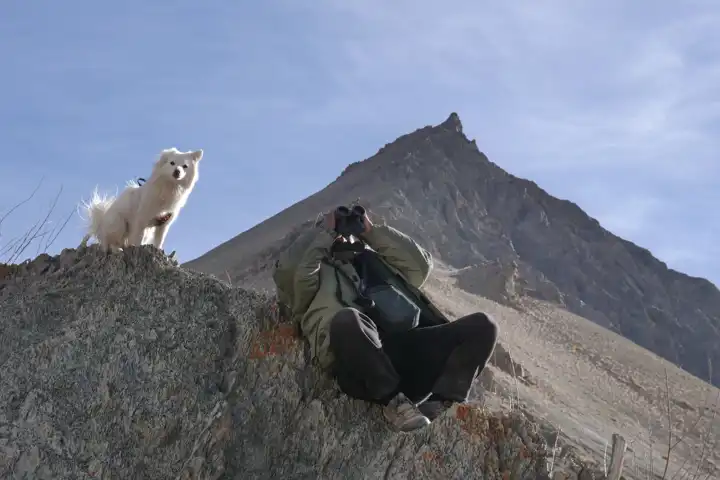
Property Spotlight: Rumbak Wildlife Lodge
Intrepid travelers with a sense of adventure and a love of elusive wildlife will no doubt enjoy Rumbak Wildlife Lodge on the edge of Hemis National Park in Ladakh, Ker & Downey's favorite place for snow leopard trekking.
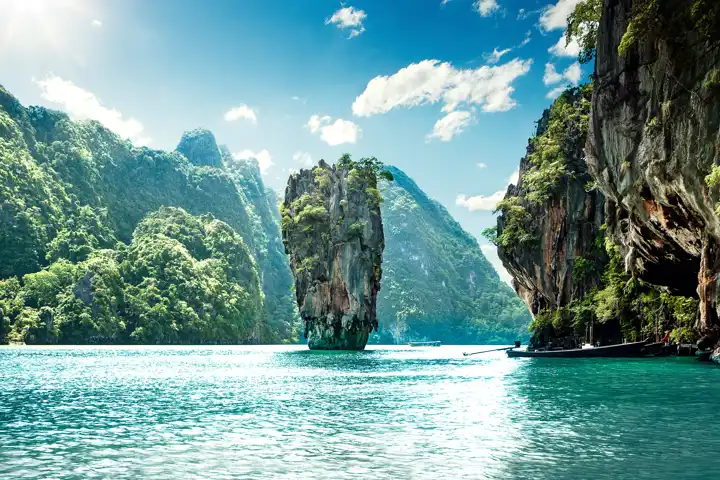
Where to Travel in 2025
Pack your bags and prepare for a journey, as we present the top travel destinations for 2025.
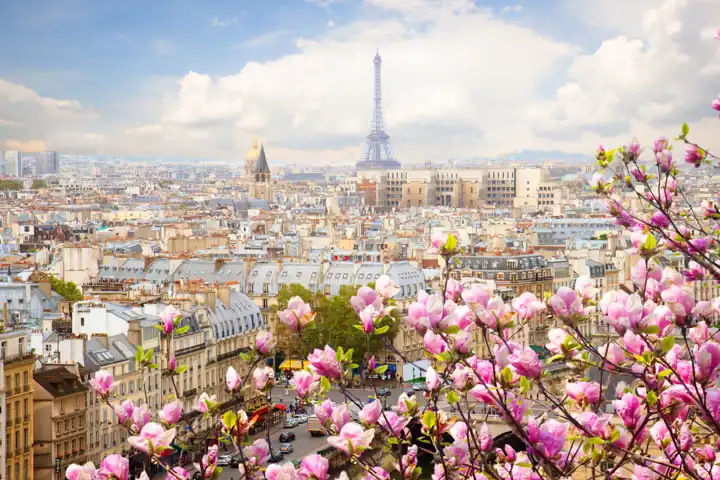
How to Plan a Europe Trip in 2025
Major change is afoot for travel to the United Kingdom and European Union in 2025. Before you plan a Europe trip next year, make sure you are up to date with all of the new entry and exit protocols.
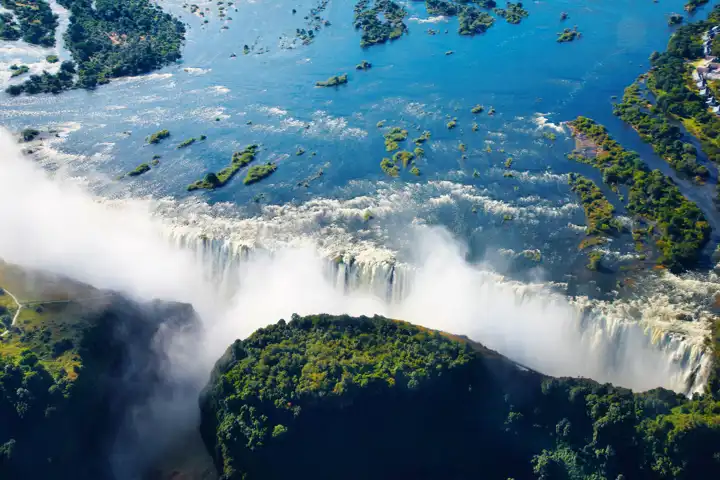
Top Waterfalls of the World
Escape into nature’s raw beauty exploring some of the world’s most stunning waterfalls. With well-over 7,000 documented waterfalls in the world, we narrowed the list by focusing on the best waterfalls to visit at the start of the year.

Book & Save Opportunities
Take advantage of exciting offers for the end of the year!
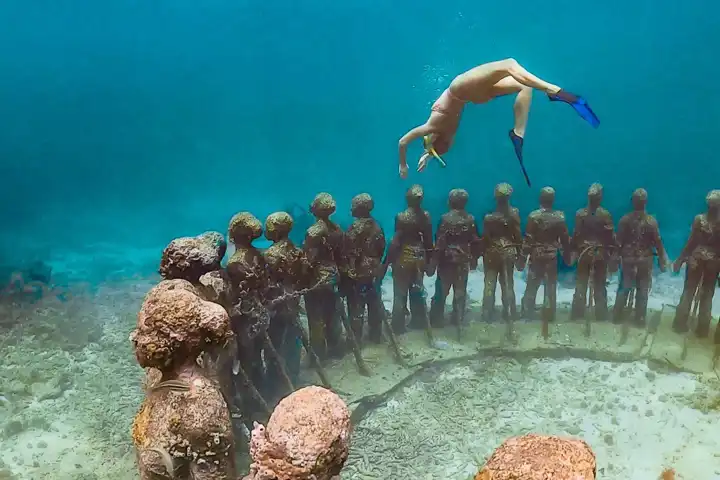
Travel to the Caribbean in the Spring
Here are all the reasons why you should consider spring travel to the Caribbean.
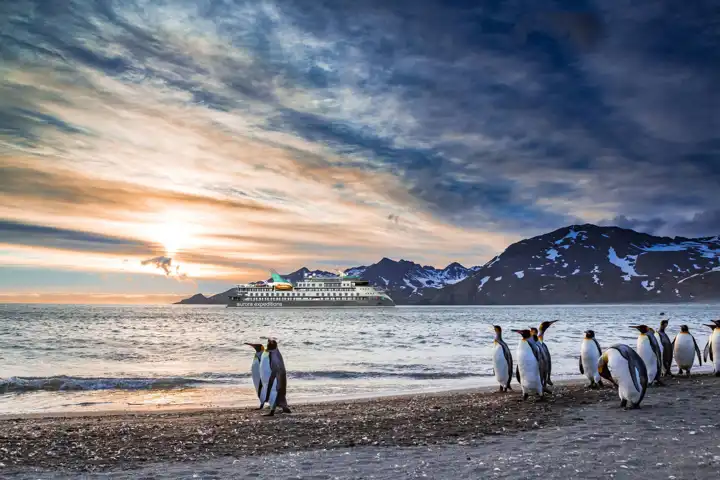
Douglas Mawson
The Douglas Mawson is a purpose-built Antarctic and Arctic expedition cruise vessel traveling to the world’s most remote regions.
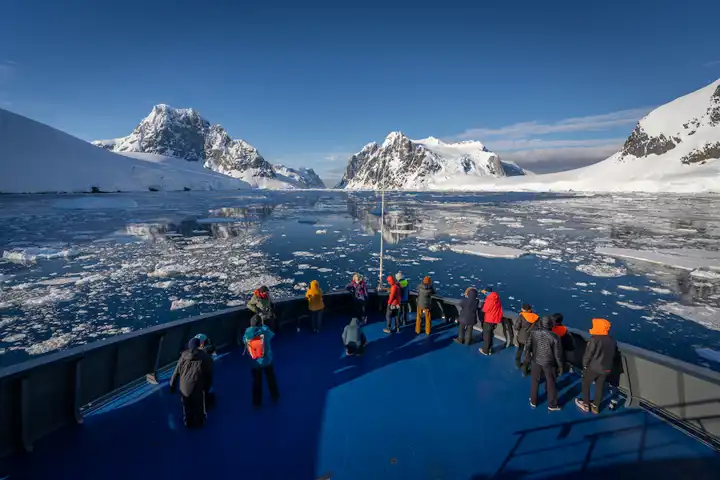
What’s the Best Antarctica Cruise?
Ker & Downey outlines how to plan a trip to Antarctica based on your flexibility, budget, on- and off-board experience preferences, and wildlife priorities.
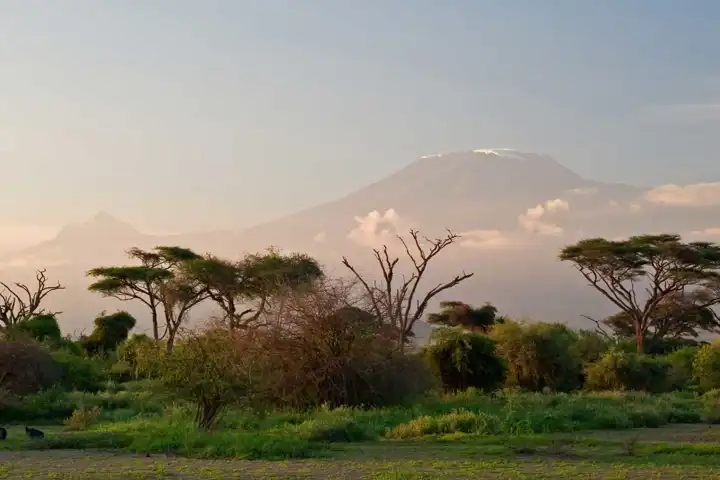
Summiting Tanzania’s Roof: An Unforgettable Kilimanjaro Climb
Climbing Mount Kilimanjaro is a bucket list item for many adventure travelers. And rightly so. It’s the highest peak in Africa, yet its summit is very accessible. Explore the best way to climb Mount Kilimanjaro with Ker & Downey.
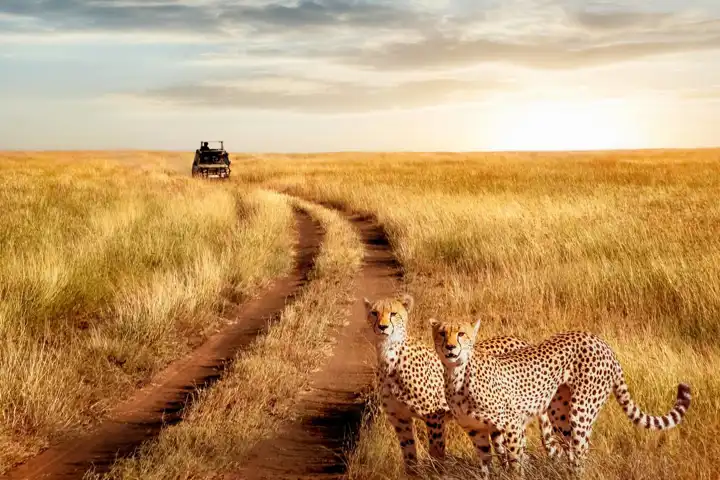
Quiz: What is the Perfect South African Safari for You?
Here are some options to consider and some questions to help determine which safari may be a perfect fit for you.
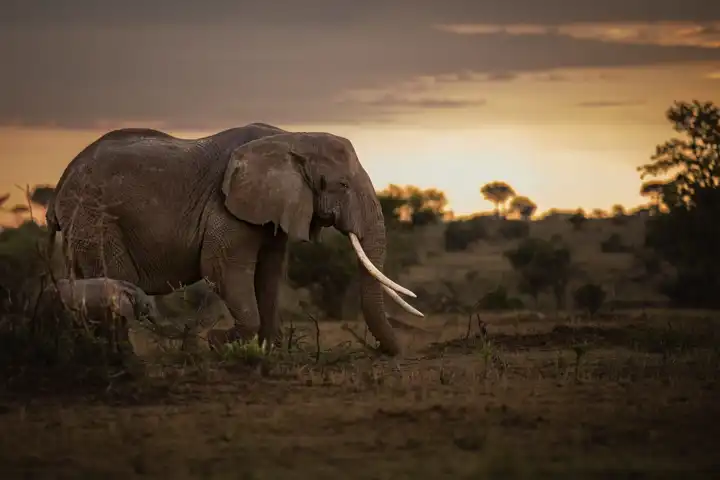
Property Spotlight: Singita Mara River Tented Camp
Located on 98,000 acres of untouched wilderness in the Lamai Triangle of Serengeti National Park, Singita Mara River Tented Camp in Tanzania is an elegant retreat that allows guests to meaningfully connect with nature and encounter the abundance of resident wildlife.
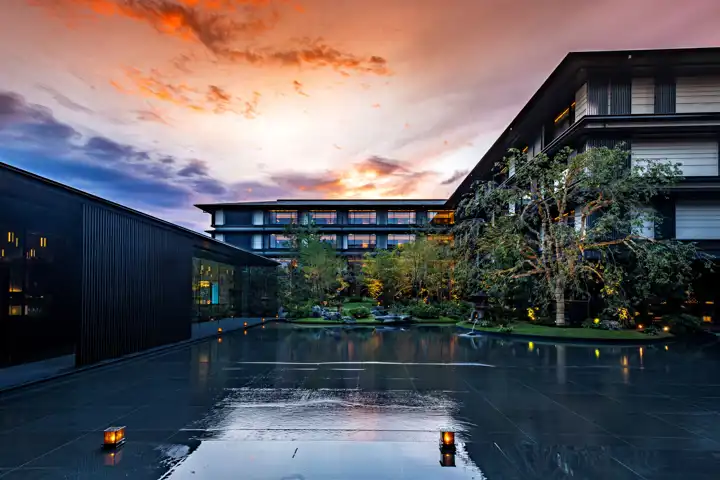
Property Spotlight: Hotel The Mitsui Kyoto
A gorgeous hotel and living piece of Japanese cultural heritage, Hotel The Mitsui Kyoto is one of Ker & Downey's favorite places for clients to experience in Japan.
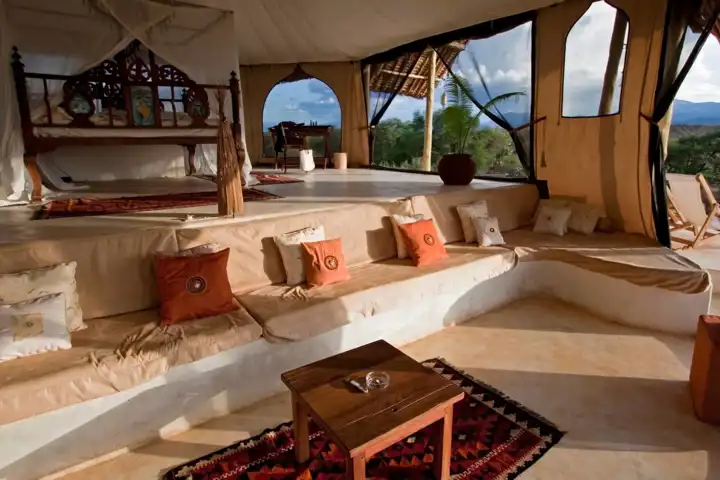
Southern African Safaris: Luxury Tented Camps vs. Lodges
Here is a comprehensive guide to how luxury tented camps differ from luxury lodges and the benefits of each accommodation.
Patagonia Travel Guide: Argentina or Chile?
Ker & Downey's Patagonia Travel Guide helps you decide which parts of Argentinian and Chilean Patagonia are best for you.

Hermes: Galápagos Mega Catamaran
Launching in 2025, the Hermes Mega Catamaran is an ultra-luxury vessel designed and built specifically to navigate the Galápagos Islands.
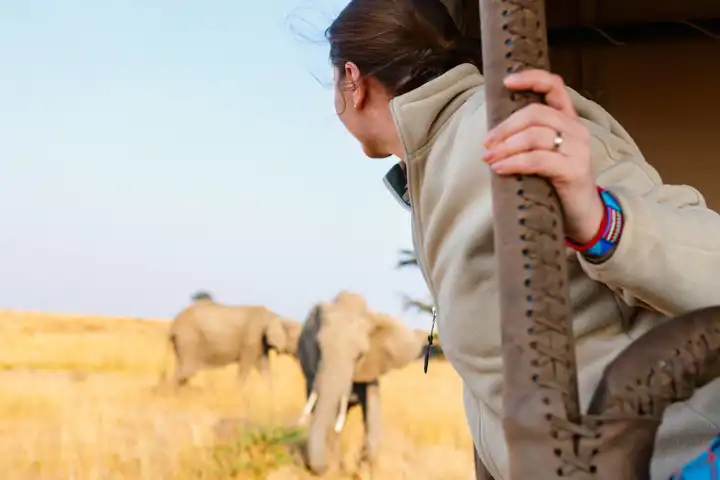
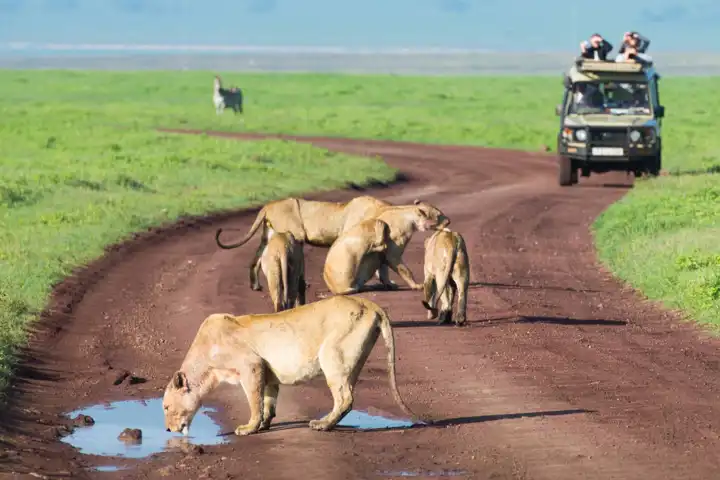
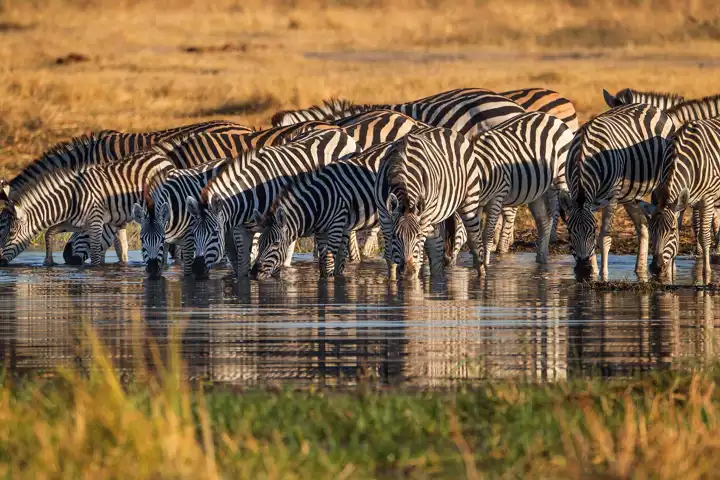
Beyond the Serengeti: Exploring Tanzania's Diverse Safari Destinations
Tanzania’s Serengeti National Park is the country’s most popular destination for a safari. But there’s so much more to Tanzania than the Serengeti. In this guide, explore some of the lesser-known safari regions in Tanzania.
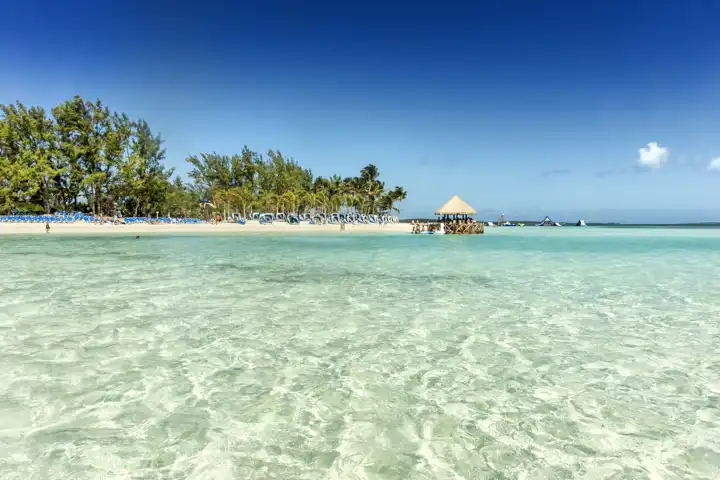
Why Book a Luxury Caribbean Beach Holiday with Ker & Downey
Ker & Downey offers a one-stop-shop for your next Caribbean vacation. Here's why you should book a luxury Caribbean beach holiday with Ker & Downey.
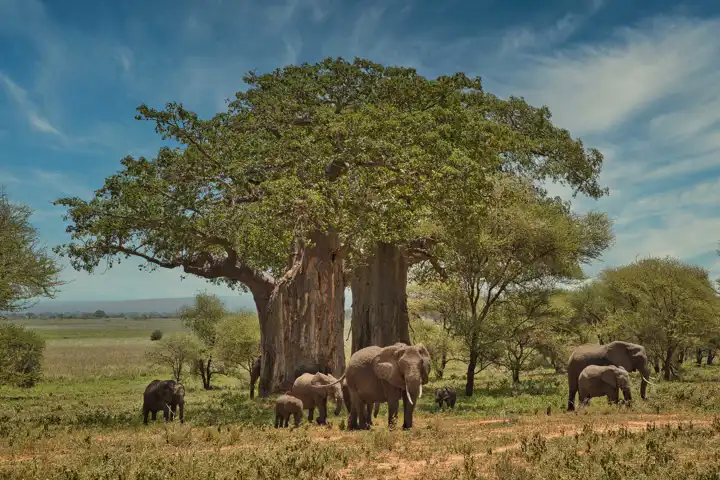
Tanzania's Enchanting Tarangire: A Paradise for Elephant Lovers
One of the smaller parks in Tanzania, Tarangire is a breath of fresh air to the Tanzania safari adventurer. It also has one of the most prolific elephant populations in all of East Africa.
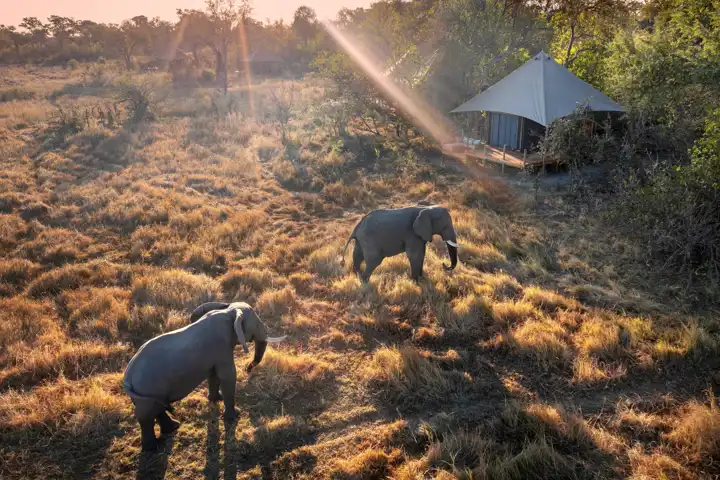
Property Spotlight: Khwai Lediba
Nestled in the heart of Botswana’s pristine wilderness, Khwai Lediba is a luxury safari camp that promises an immersive and unforgettable African adventure.
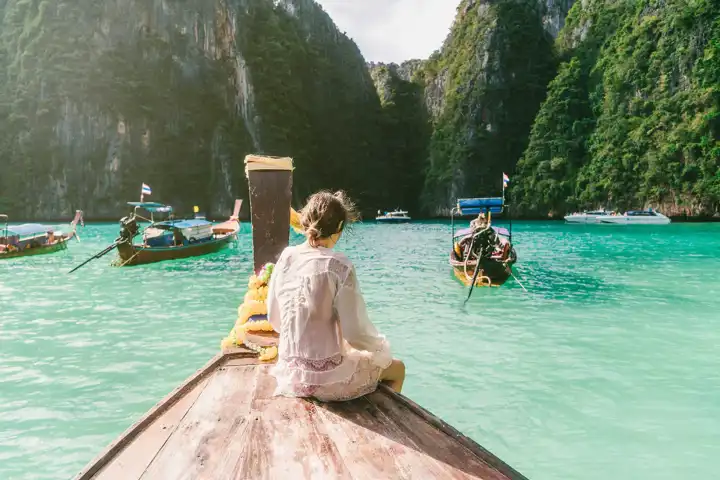
Milestone Birthday Trips: Celebrate in Style
Whether you’re looking for an adrenaline-fueled adventure or a peaceful retreat, this guide has the perfect milestone birthday trip ideas for every decade.
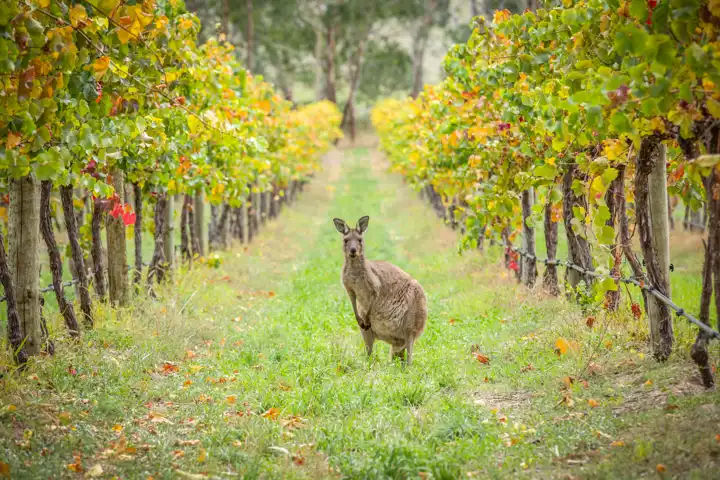
When to Travel to Australia
Discover our tips for when to travel to Australia with Ker & Downey. Read on for a guide to year-round travel in Australia.
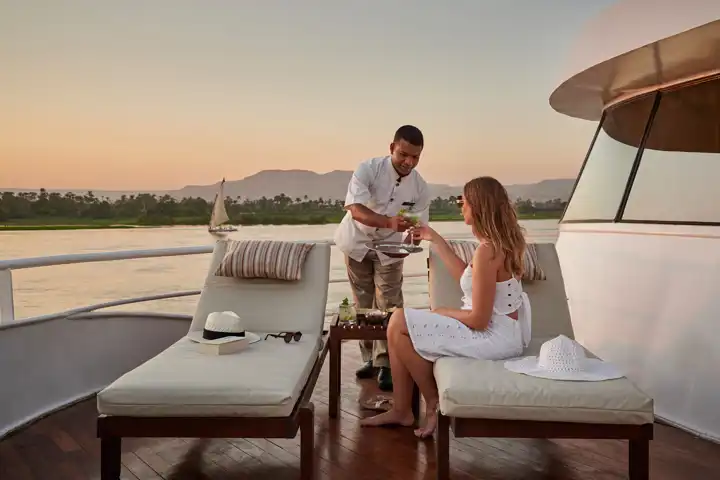
Everything You Need to Know About Traveling with Ker & Downey
Have you ever imagined a journey that is not just a trip, but a collection of extraordinary experiences that create memories to last a lifetime? Ker & Downey is a leading luxury travel company offering the world’s most innovative and inspiring luxury travel experiences.
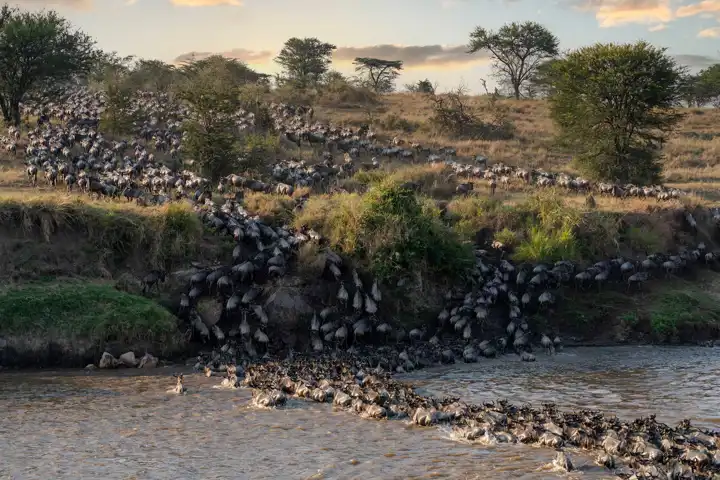
Tanzania Safari Adventure: Witnessing the Great Migration
Embark on an unforgettable Tanzania safari to witness the awe-inspiring Great Migration, where over 1.5 million wildebeest and 250,000 zebras embark on an extraordinary journey of survival.
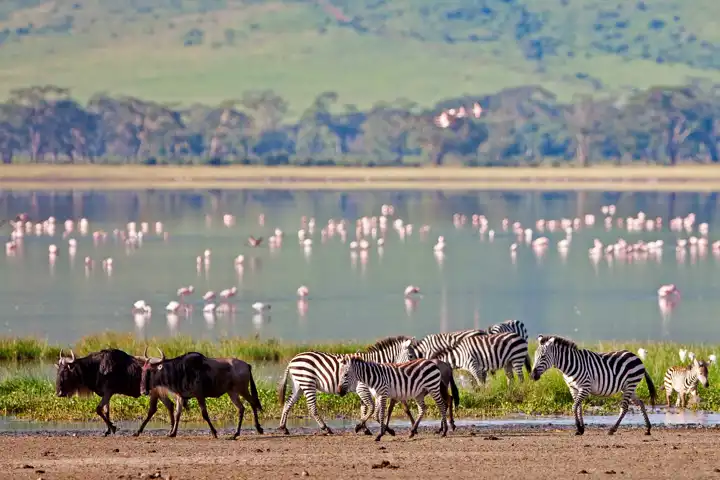
Discover the Ngorongoro Crater: The Cradle of Life in Tanzania
The world-famous Ngorongoro Crater Area lies at the eastern edge of the Serengeti just west of Arusha in northwest Tanzania. There you'll find one of the world’s most unchanged wildlife sanctuaries on a Tanzania safari.
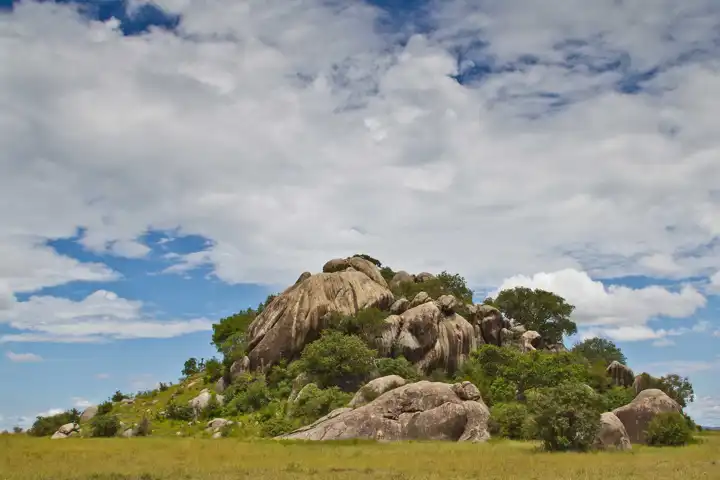
Unveiling the Serengeti: Tanzania’s Wildlife Spectacle
Journey into the heart of Tanzania and discover the breathtaking beauty of the Serengeti National Park.
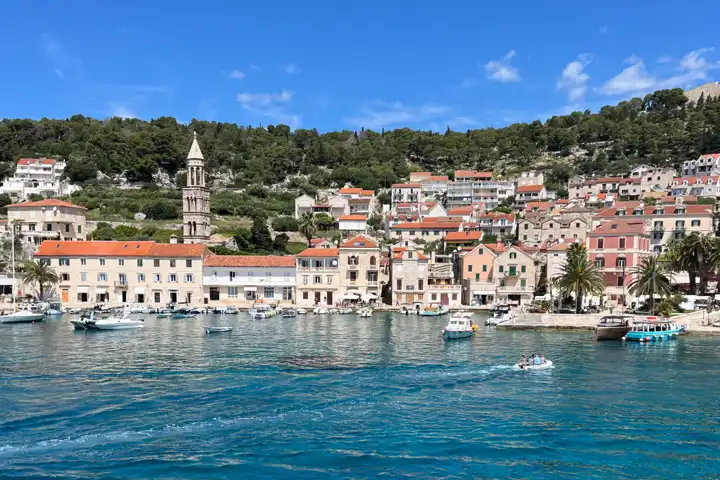
Why You Should Charter a Yacht in Croatia
Ker & Downey’s Tiffany Dunn shares her surprise and delight after experiencing Croatia by private yacht.
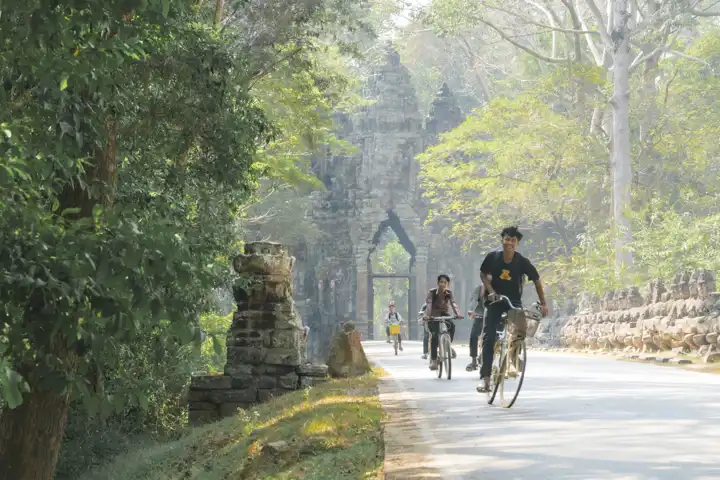
Beyond the Temples of Angkor Wat
Explore Cambodia beyond the Temples of Angkor Wat. These jewels of Khmer artistry are just a peek into Cambodia’s history and culture.
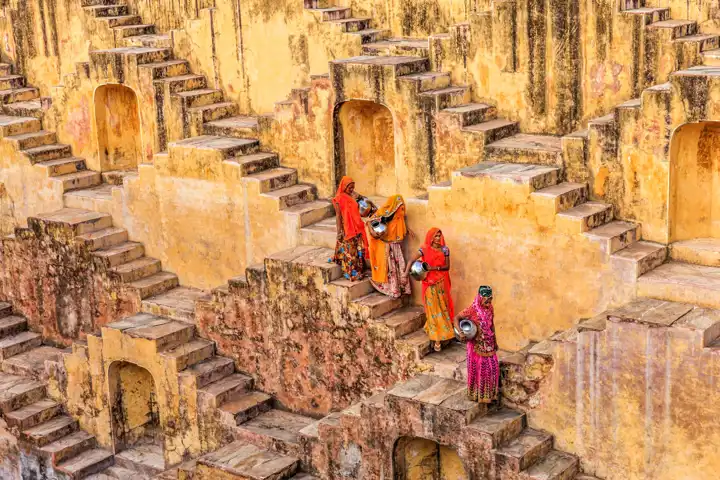
Travel to India's Golden Triangle
Experience the best India luxury vacation in the Golden Triangle. Comprising Delhi, Agra, and Jaipur, this iconic circuit offers promises the perfect luxury India travel itinerary in under 10 days.
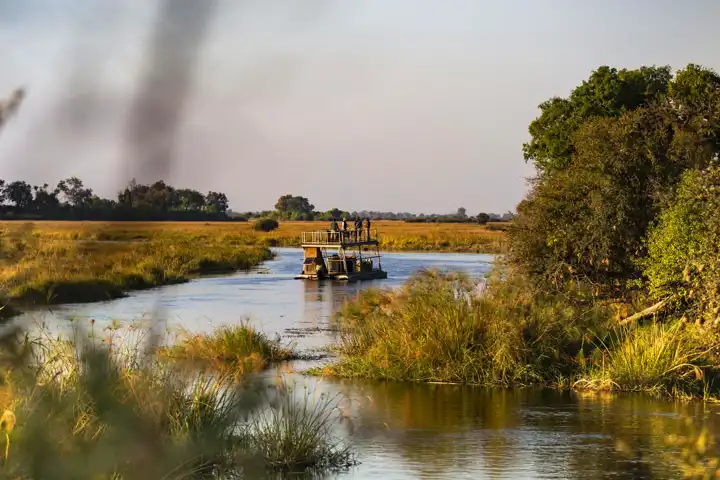
Botswana Safari Honeymoon: Romance Under the African Sky
Botswana is a land of natural wonders and rich cultural heritage, making it an ideal destination for an unforgettable honeymoon safari and romantic escape.
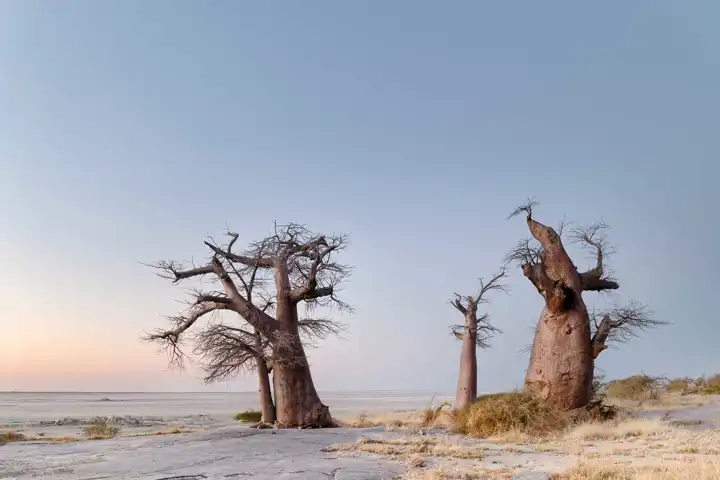
Makgadikgadi Pans: A Botswana Safari Adventure Beyond the Delta
Discover the Makgadikgadi Pans, Botswana's hidden gem beyond the famed Okavango Delta! This extraordinary region boasts vast salt flats, moon-like terrain, and unique wildlife encounters.
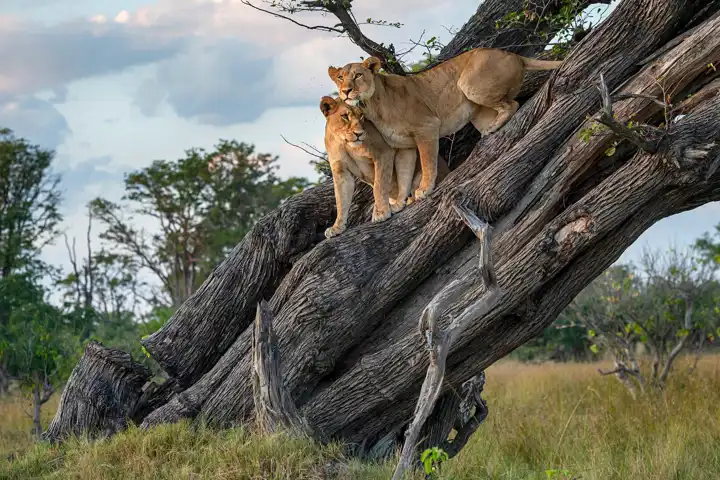
Moremi Game Reserve: Botswana's Predator Paradise
Explore the breathtaking Moremi Game Reserve in Botswana, home to diverse wildlife and stunning landscapes. Experience thrilling safaris and create unforgettable memories in this African paradise.
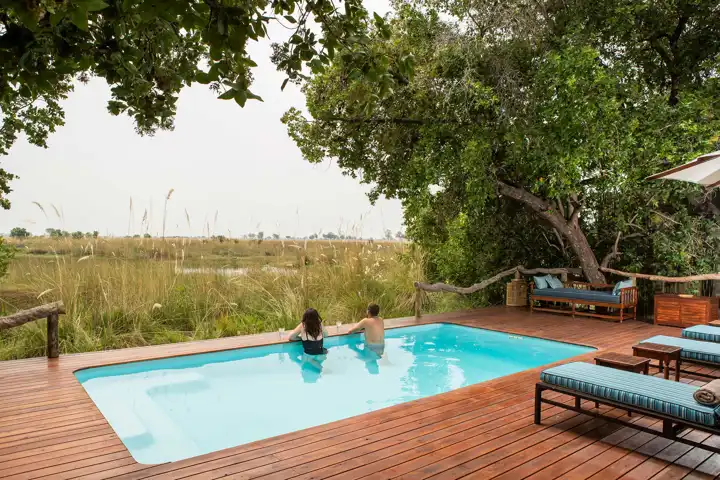
Luxurious Lodges on a Botswana Safari: Where Wildlife Meets Opulence
Experience the ultimate Botswana safari at these luxurious lodges, where top-notch service, culinary delights, and unforgettable activities await.
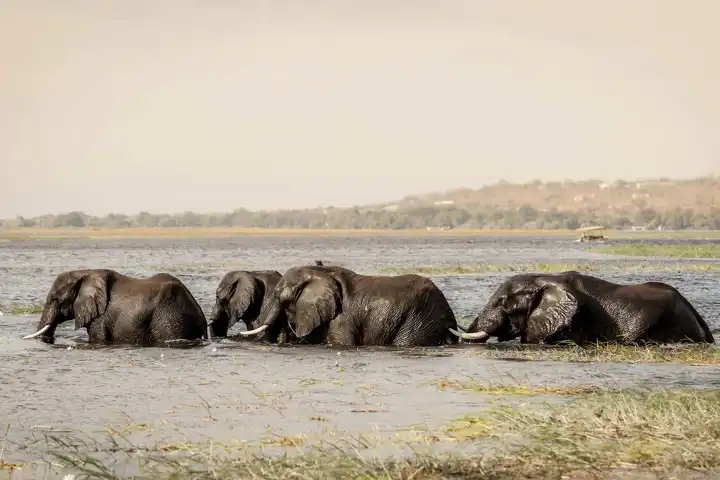
Chobe National Park Safari: Witnessing Herds of Elephants
Witness the awe-inspiring herds of elephants, the largest in Africa, during a thrilling safari in Chobe National Park, Botswana's wildlife paradise.
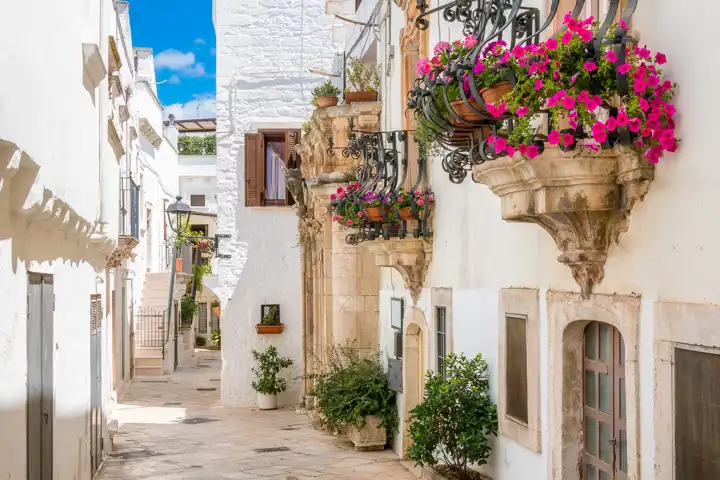
Italy Travel Guide
Thinking about traveling to Italy? Ker & Downey breaks down the key tourism regions in the country to ensure an effortless trip. This is Ker & Downey's ultimate Italy Travel Guide, with an Italy map including seasons and travel tips.
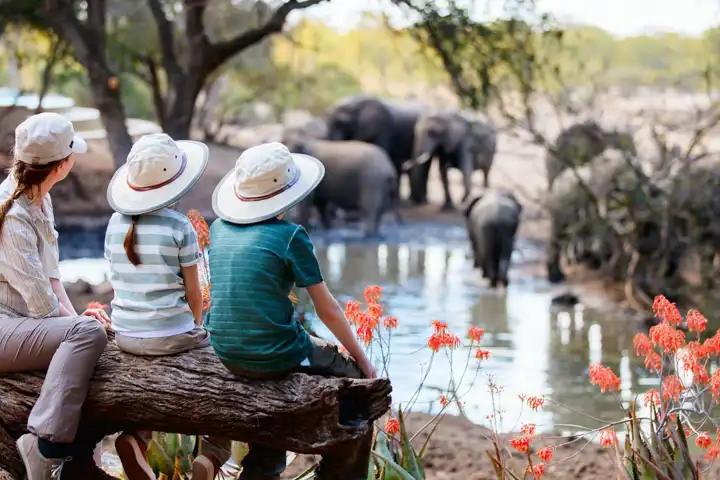
Family Fun in Botswana: A Multigenerational Safari Experience
Whether you have young children or are traveling with older adults, a Botswana safari will be your family’s most memorable vacation. Here's why.
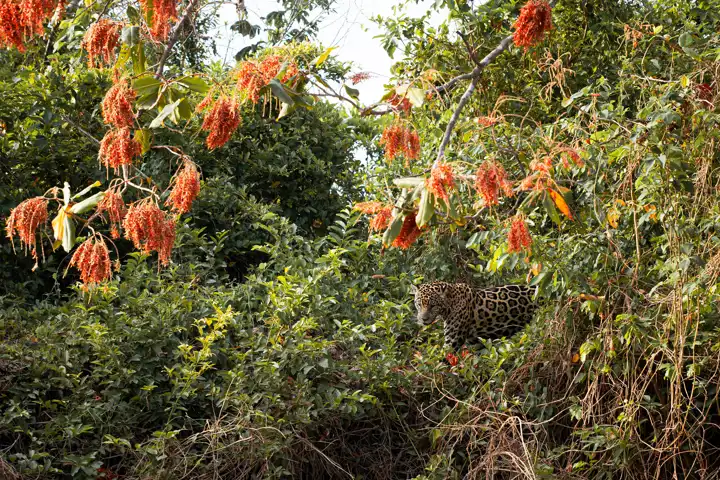
Pantanal Unveiled: Brazil's Best-Kept Wildlife Secret
Embark on an extraordinary adventure into the heart of Brazil's Pantanal to discover the captivating wonders of this overlooked wildlife haven, from majestic jaguars to the vibrant tapestry of its sprawling wetlands.

Octant Furnas Hotel
Lauded as one of the best spa hotels in the Azores, Octant Furnas Hotel provides a luxurious retreat on São Miguel, the Azores’ largest island. This Azores luxury hotel sits within the Furnas Valley, home to the largest concentration of thermal waters in Europe.
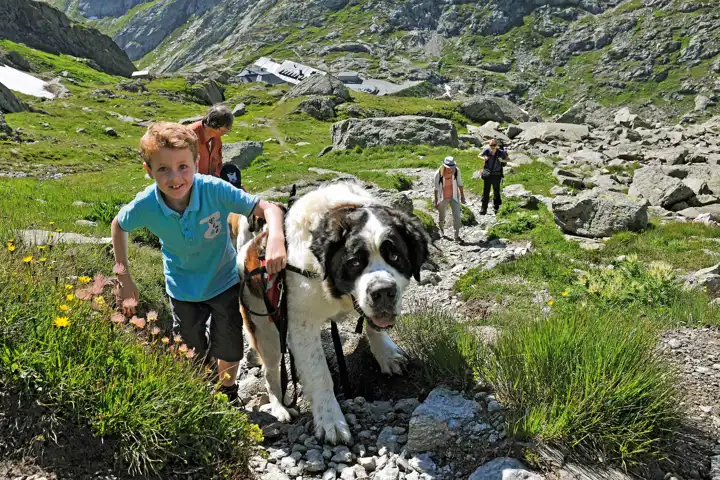
Swiss Family Recipe: Your Guide to the Perfect Family Holiday in Switzerland
Idyllic lakes, cobblestone towns, epic mountain summits, historic and efficient railways, iconic cheese and chocolate, and museums galore, Switzerland has all the ingredients to create a truly unforgettable family holiday.
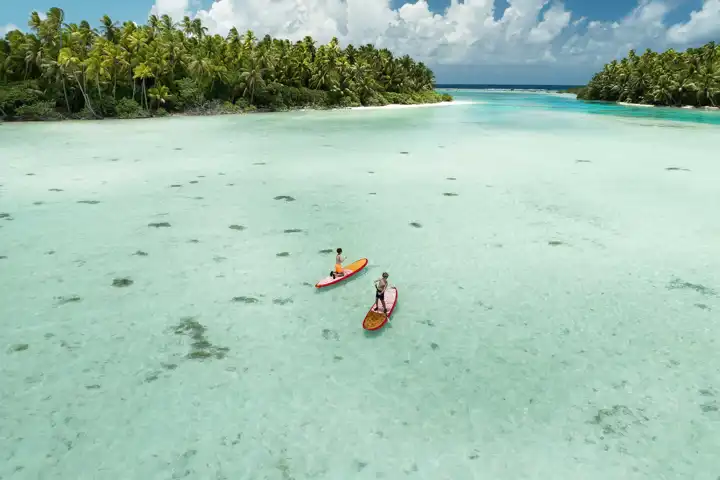
French Polynesia: Where the Sky Meets the Sea
French Polynesia in the South Pacific is synonymous with dreamy oceanscapes, turquoise waters, and crystal-clear lagoons, and holds great appeal for families seeking an unforgettable and secluded holiday that the whole family can truly enjoy.
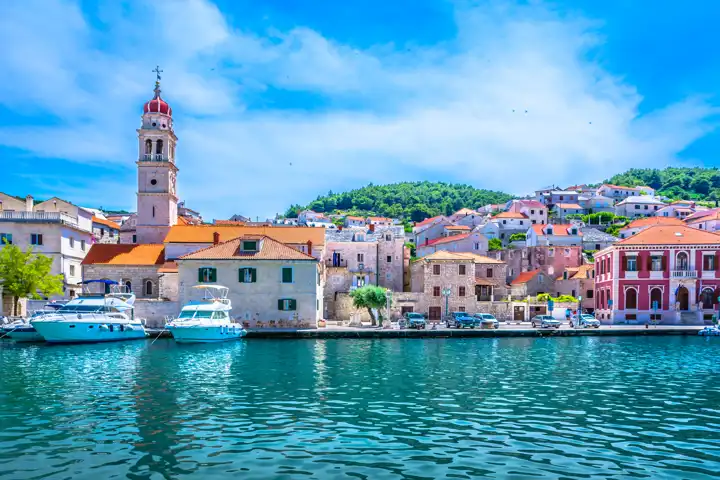
Croatia Travel Guide
Thinking about traveling to Croatia? Ker & Downey breaks down the key tourism regions in the country to ensure an effortless trip. This is Ker & Downey's official Croatia Travel Guide.
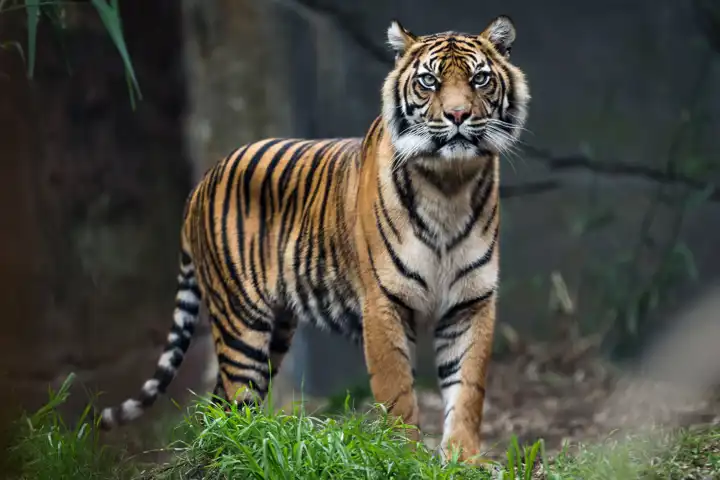
Luxury Tiger Safaris by Ker & Downey
At Ker & Downey, a “safari” extends well beyond the African savannahs.
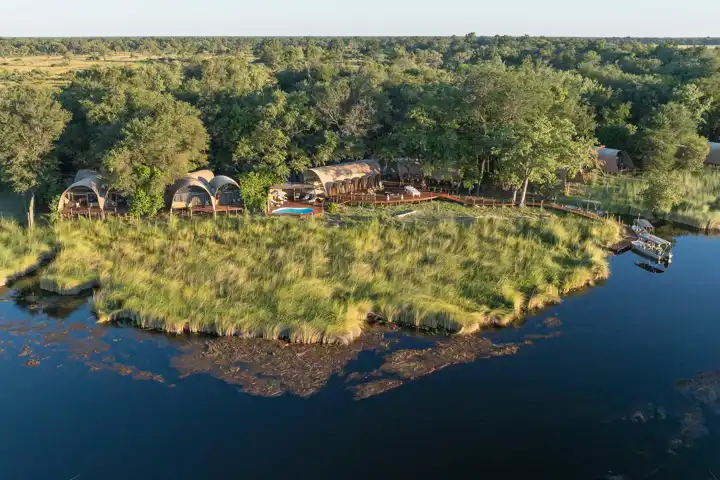
Where to Go on a Safari in December
Celebrate Christmas on safari in Africa this December and enjoy summer weather with your family and a slower pace than the normal end of year hustle.
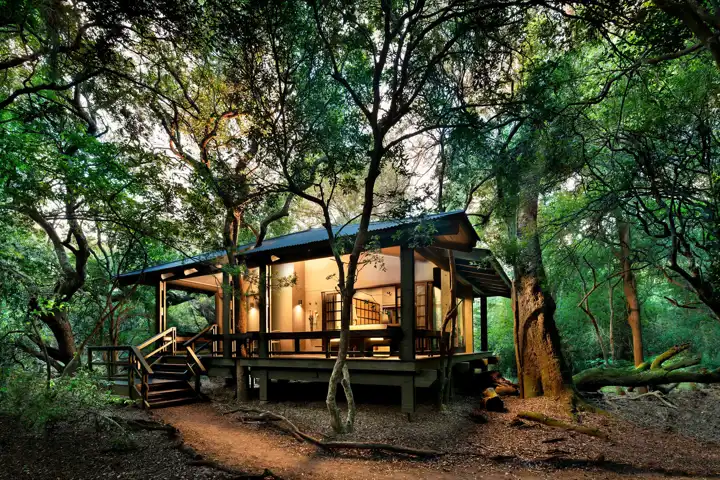
Arrivals: New Hotel Openings and Revamps, Spring 2024
The Latest Hotel Openings, Revamps, and Travel News, as featured in the Spring 2024 Family Issue of QUEST Magazine.
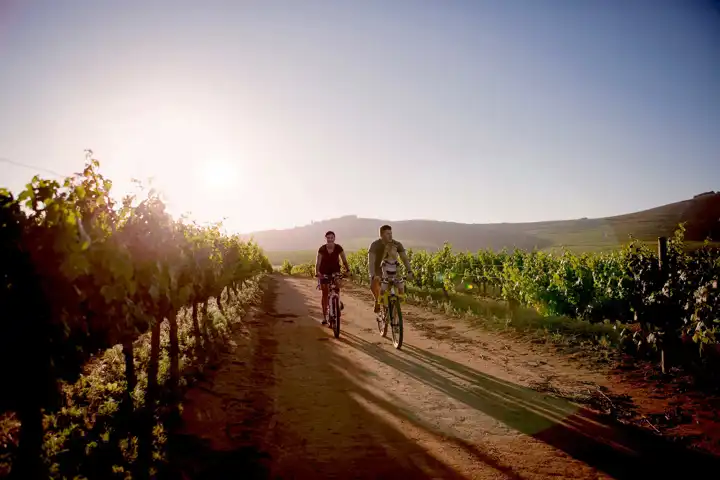
A Taste of Franschhoek
Escaping to wine country in the Western Cape reveals more than sophisticated vintages.
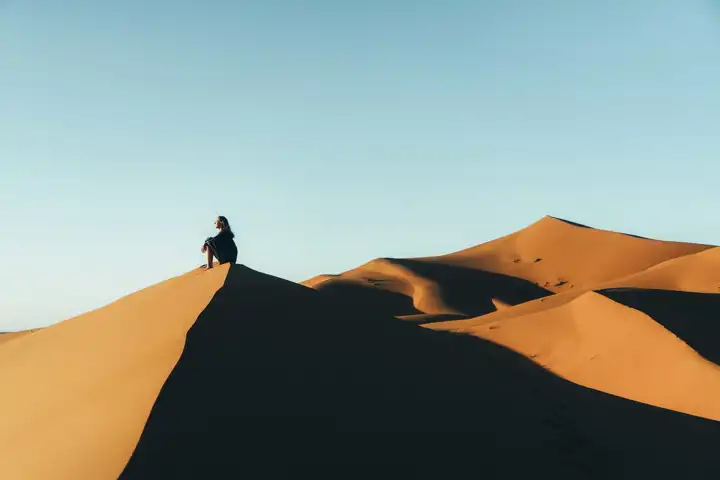
A Mother's Memories of Morocco
Ker & Downey Travel Designer Trista Gage shares why Morocco is a destination worth considering for young, curious minds.
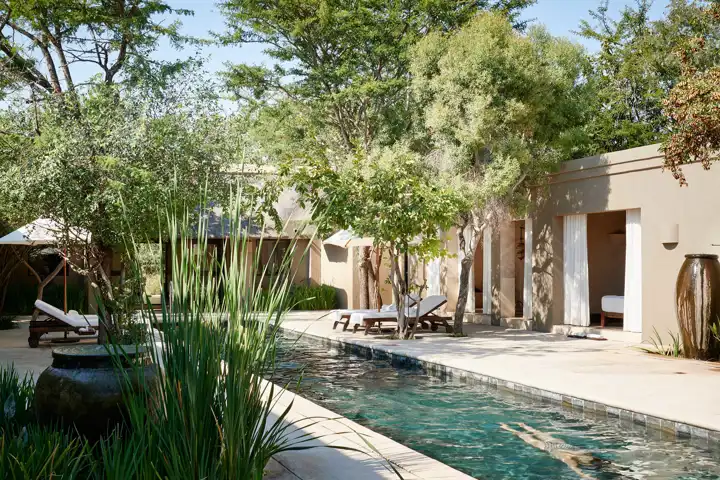
The World's Best Hotel Spas
The hotel spa: a sanctuary of serenity amidst the hustle and bustle of travel. This curated list highlights some of the most luxurious and transformative spa experiences nestled within breathtaking destinations.
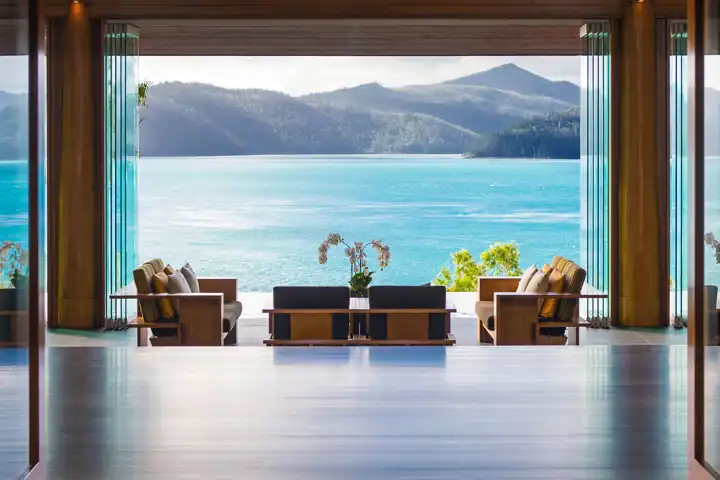
qualia
At qualia on Hamilton Island in Australia's Great Barrier Reef, discover unparalleled hospitality, breathtaking landscapes, and bespoke experiences.
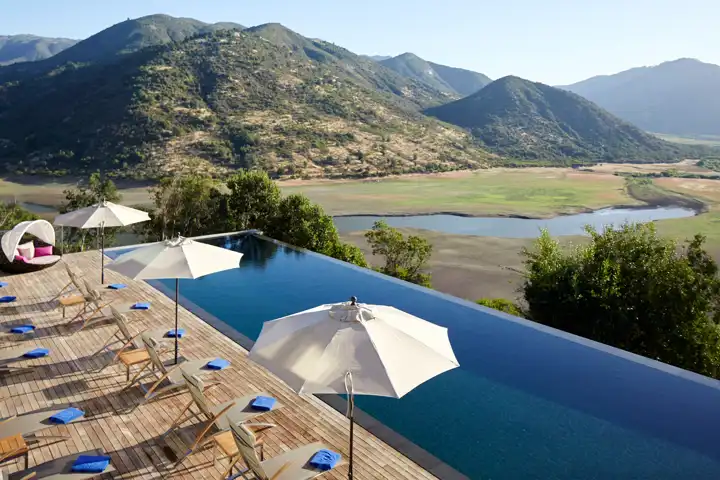
VIK Chile
VIK Chile sits perched atop Chile’s fertile Millahue Valley. This 22-room avant-garde design hotel melds Chile’s culture, art, wine, and terroir to create an innovative and holistic wine spa experience in the shadow of the Andes Mountains.
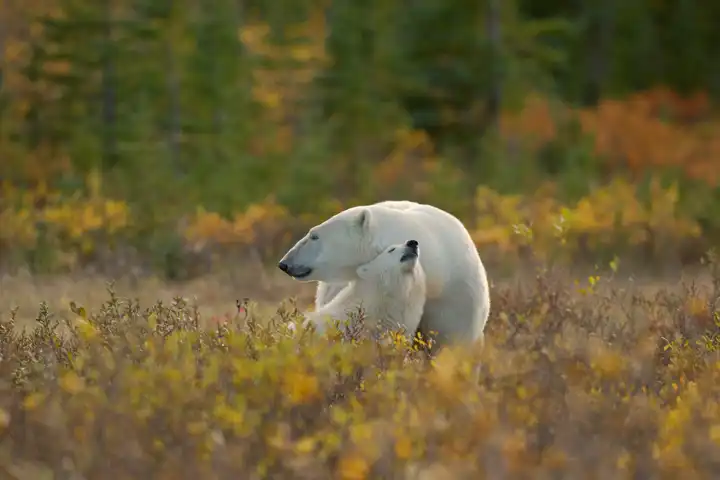
Bears and Belugas, Oh My!
Travel to Manitoba for a unique summer break spent amid the resident wildlife, on land and below water.
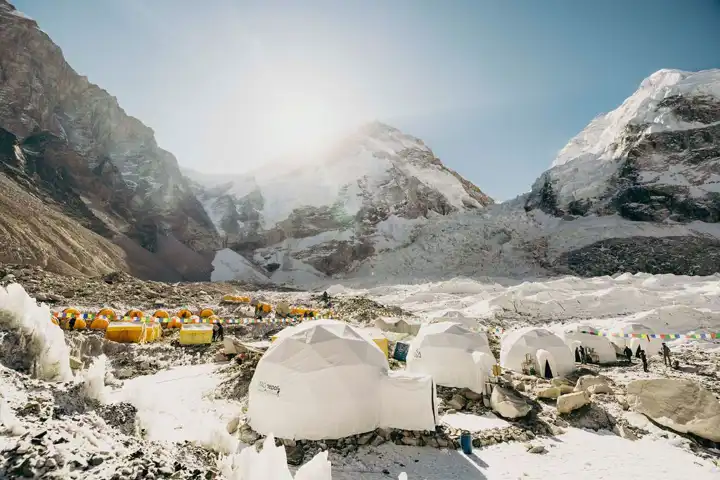
Everest Base Camp
Climbing the Seven Summits' exclusive Everest Base Camp offers the highest glamping digs in the world. Learn all about this luxury Mount Everest adventure and the five-star experience awaiting at CTSS' Everest Base Camp.
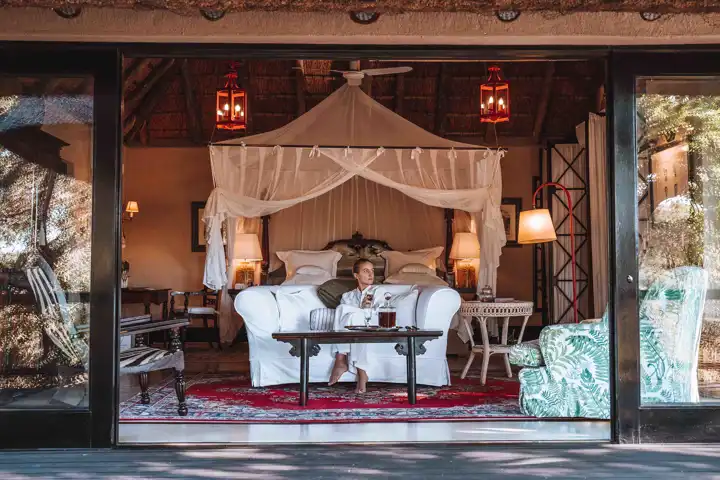
Royal Malewane
As part of the prestigious and award-winning Royal Portfolio family of properties, Royal Malewane in South Africa will exceed every expectation and change the perception of luxury bush accommodations.
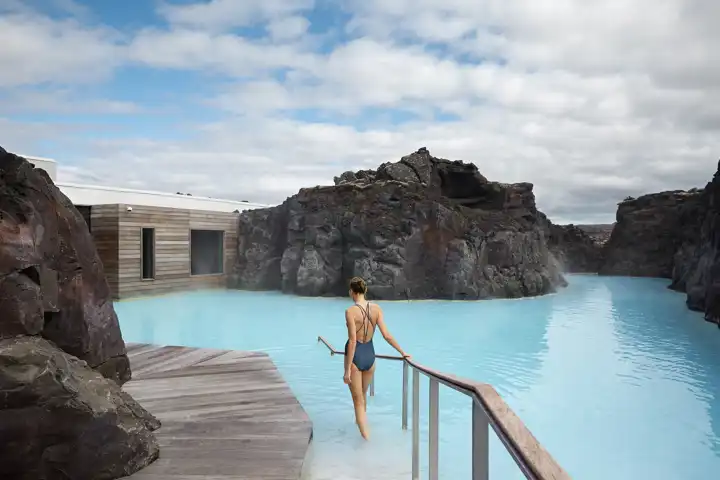
The Retreat at Blue Lagoon
The Retreat at Blue Lagoon is a luxurious abode in the heart of one of Iceland's most iconic natural wonders with healing waters, attention to detail, and personalized service.
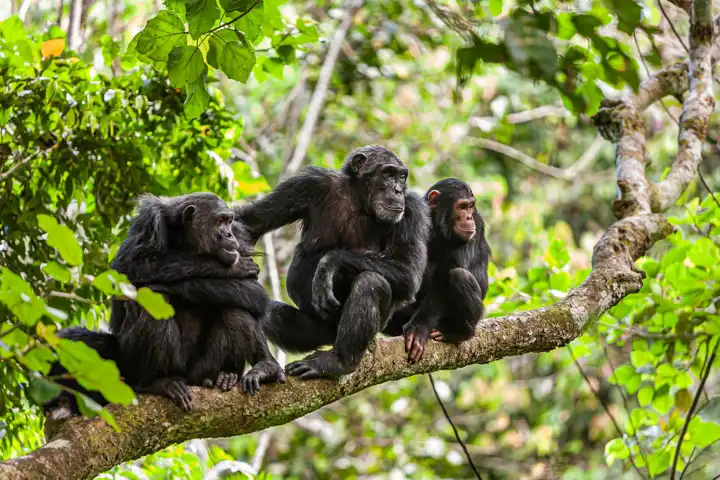
Where to Go on an African Safari in November
For everything there is a season, and in the safari world, that season is year-round. Here's where to go in November.
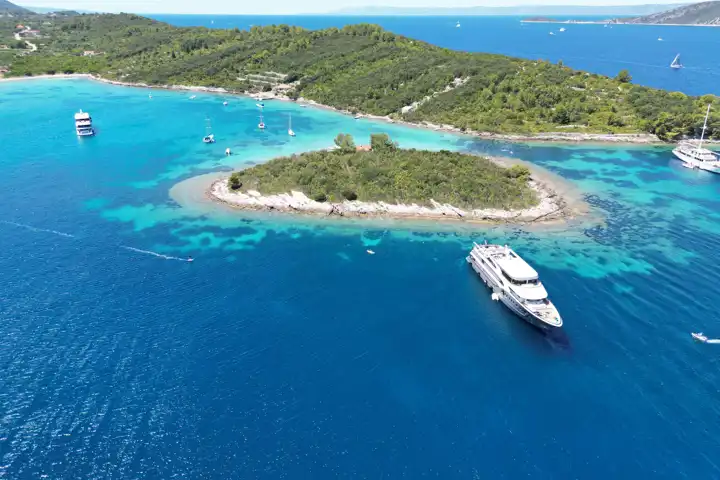
Is Croatia the New Italy?
Move over Italy... luxury Croatia travel is fast becoming the most sought-out travel experience in Europe. Learn why this Mediterranean gem has become a favorite among Ker & Downey clients.
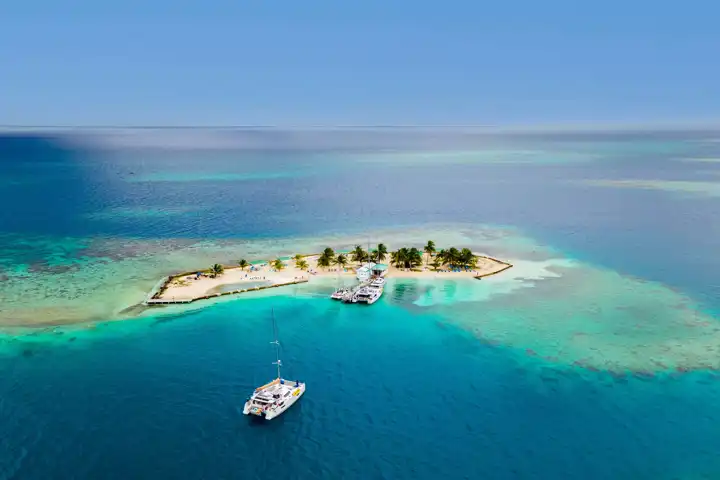
Sail Away in These Best Yachting Locations
See more of a destination on one trip when you float the waters on a luxury yacht charter. Here are the best yachting locations around the world with Ker & Downey.
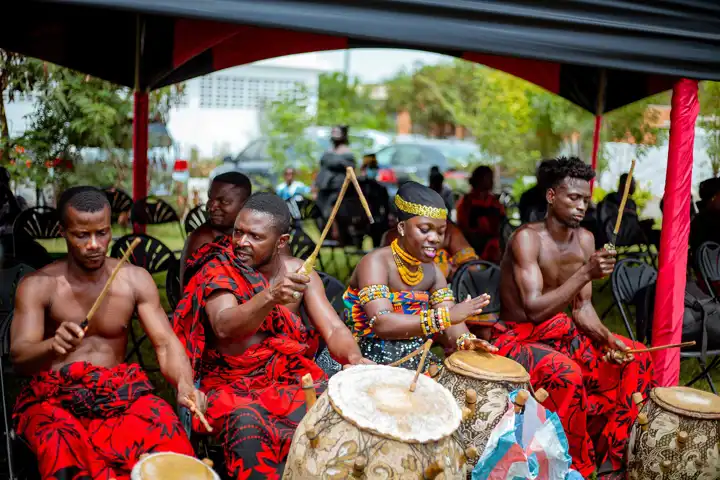
Heritage Travel: Trace Your Roots, Travel the World
Heritage travel is not just about seeing new places, it is about discovering your roots, tracing your ancestry, and connecting with the stories of your past.
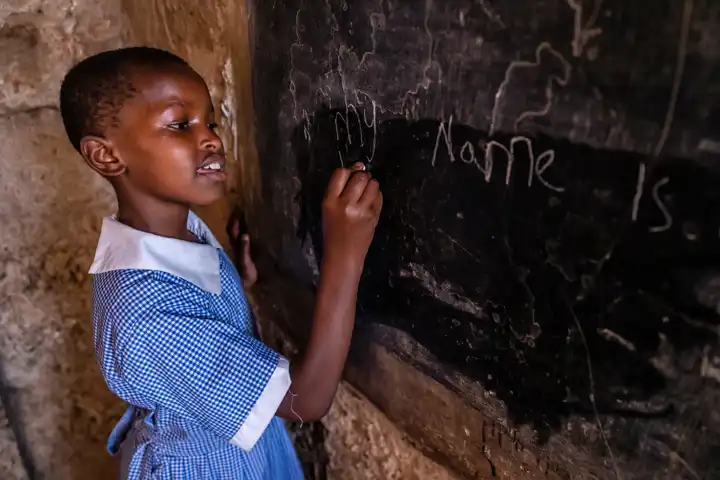
A Ripple Effect - An Opportunity to Give
When Ker & Downey was approached to help send 12 kids to school through the Ripples Foundation during the Covid-19 pandemic, we had no idea the impact it would make.
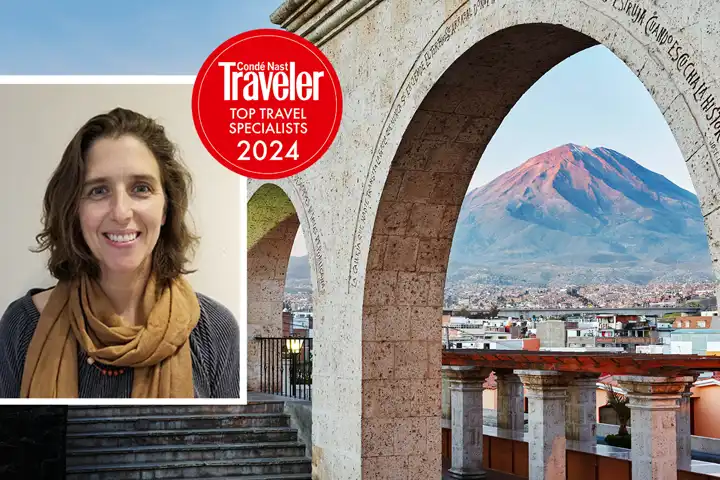
Ker & Downey Designer Named Condé Nast Traveler Top Travel Specialist 2024
Ker & Downey has been named Travel +Leisure’s World Best Tour Operator in the Travel+Leisure World’s Best Awards.

Kweza Craft Brewery: Brewing a Brighter Future
Kweza Craft Brewery, Rwanda's first craft brewery and a beacon of female empowerment, is not only crafting delicious beers but also paving the way for a more equitable future.
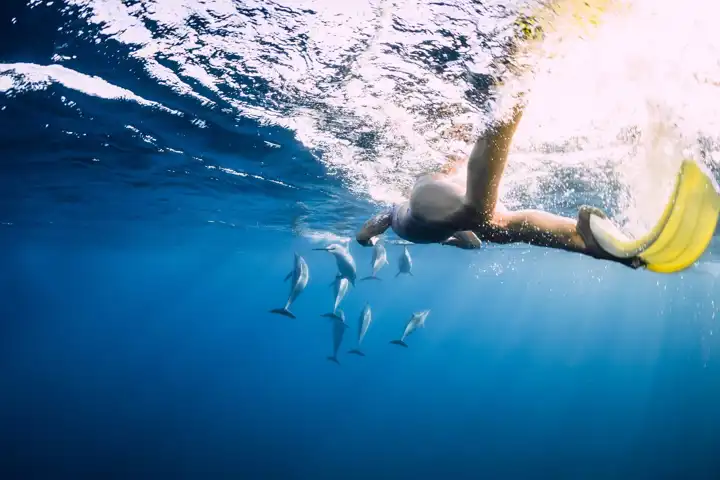
Azores Bucket List
Ker & Downey has compiled the ultimate Azores bucket list to help kickstart your adventure. Here are the 15 best things to do in the Azores.
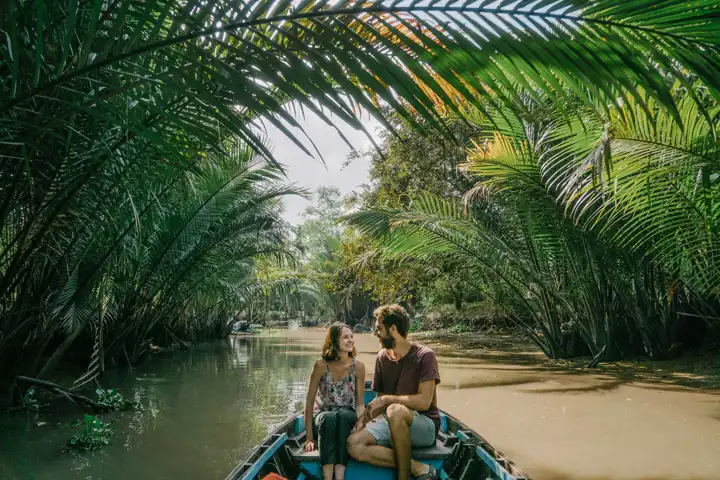
Green Season in Southeast Asia
Travel to Southeast Asia during the green season to experience a lush world of verdant jungles and colorful festivals.
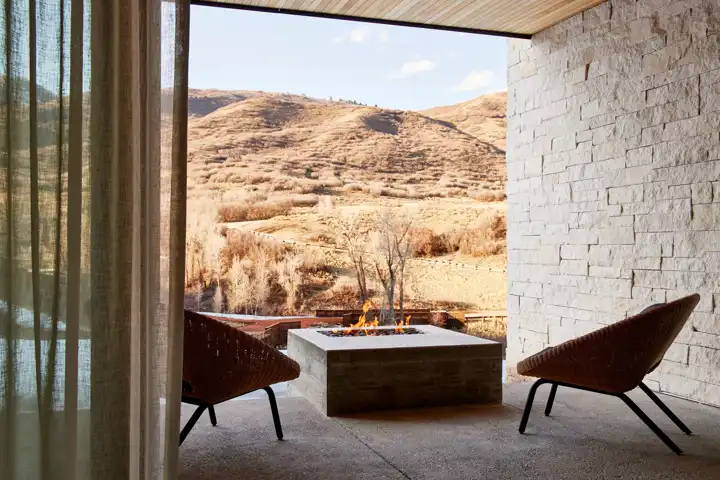
The Lodge at Blue Sky
The Lodge at Blue Sky, an Auberge Collection Resort, offers an unparalleled retreat for nature enthusiasts and luxury seekers in the heart of the American West.
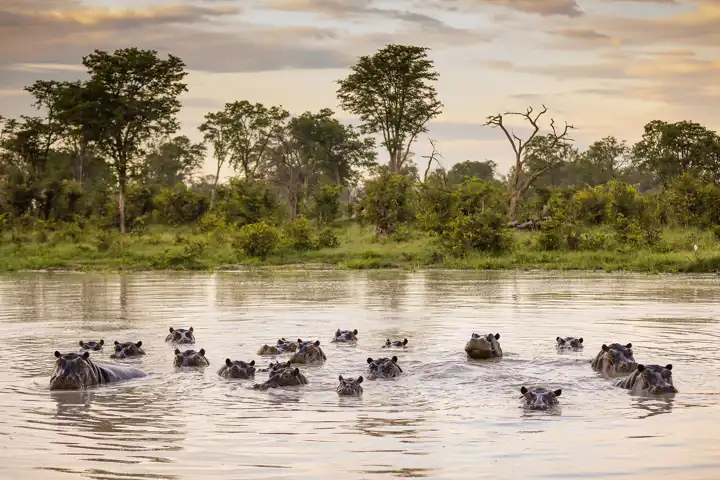
7 Reasons to Travel to Botswana
Botswana is the ultimate safari destination. If you need a reason to travel to Botswana on your next Luxury Botswana Safari, we’ve got 7 of them.
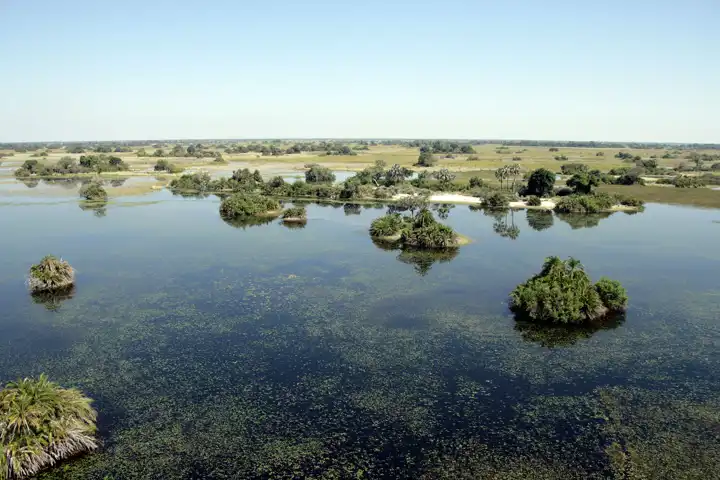
Everything You Need to Know Before Booking a Botswana Safari
A Botswana safari is a top trip for many, offering some of the best wildlife viewing in the world. Here's what the experts at Ker & Downey want you to know before you plan your safari.
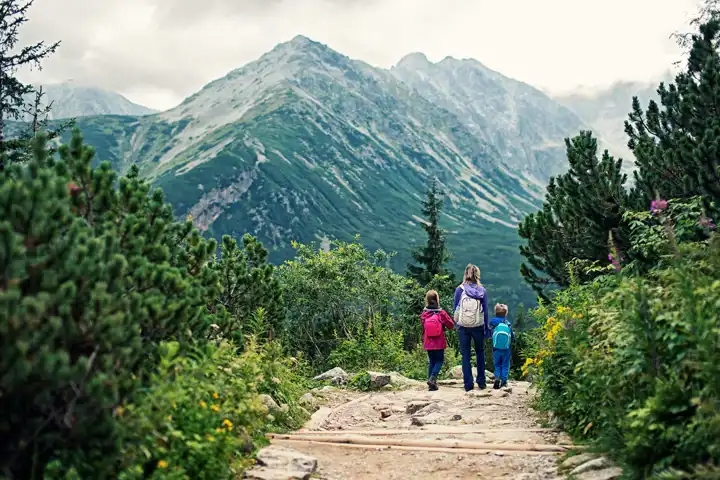
Luxury Family Travel Ideas
These luxury family travel ideas are close to home, eight days or less, and sure to please everyone in your family.
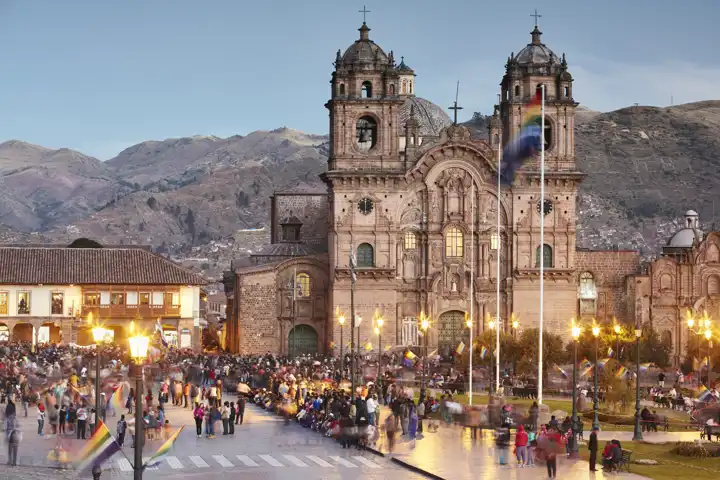
Peru, Our 2024 Destination of the Year
In 2024, we invite you to discover Peru, our Destination of the Year, with Ker & Downey. Peru's rich history, breathtaking landscapes, and vibrant cultures are ripe for exploration.
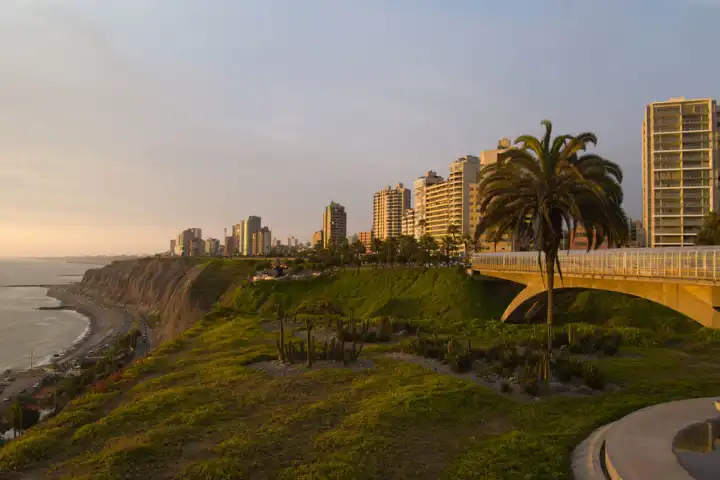
Lima Travel Guide
Travel to Peru with Ker & Downey to experience the capital city's historic city center, sweeping waterfront, artistic outer reaches, bohemian Barranco district, and delicious cuisine.
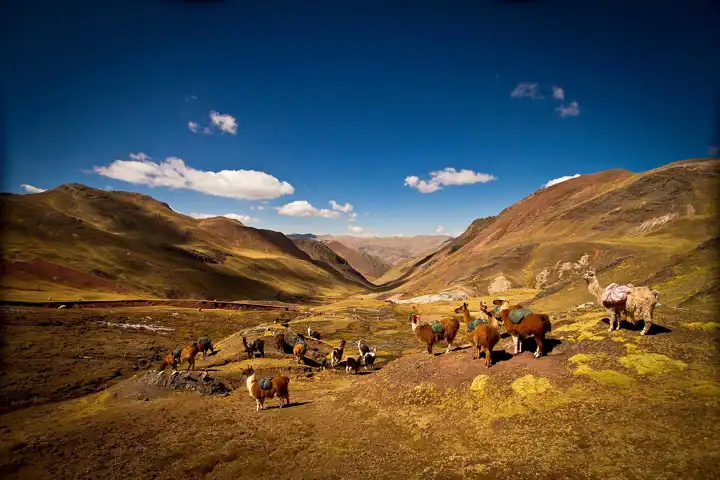
Hiking in Peru: Discover the Soul of Peru
Ker & Downey's Sara Kramer discovers Peru on a lodge-to-lodge trek in the Andean Mountains.
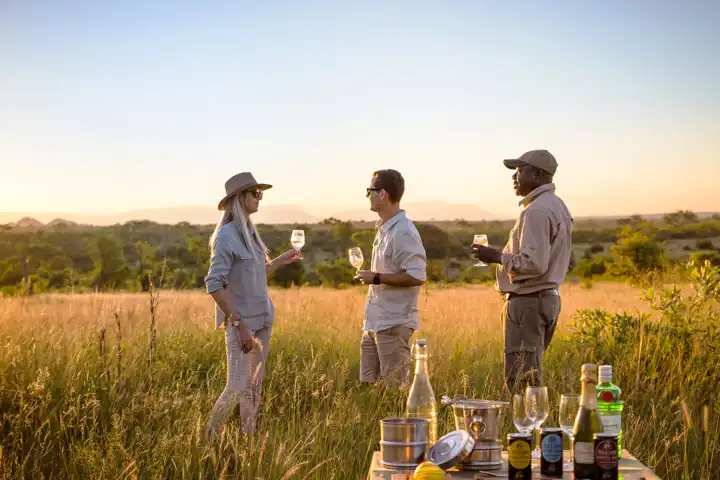
Travel Trends in 2024: An Extraordinary Year Ahead
A look back at a record year for travel in 2023 and a projection for travel trends in 2024.
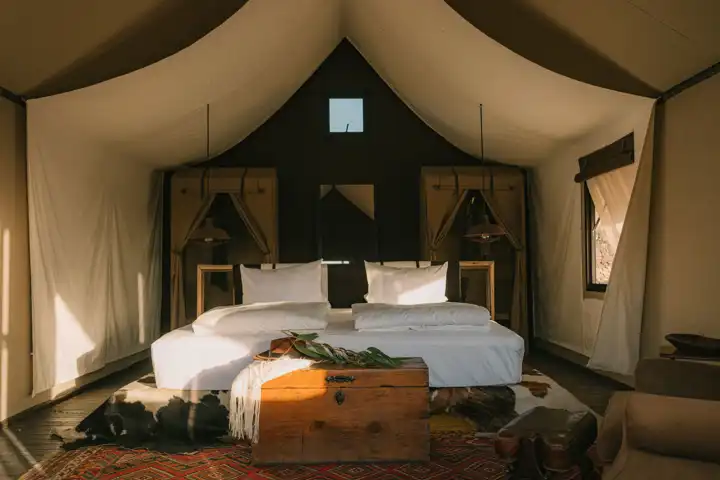
PUQIO, Colca Canyon
Deep in the heart of the Colca Canyon, PUQIO luxury tented camp is the first of its kind in the region.
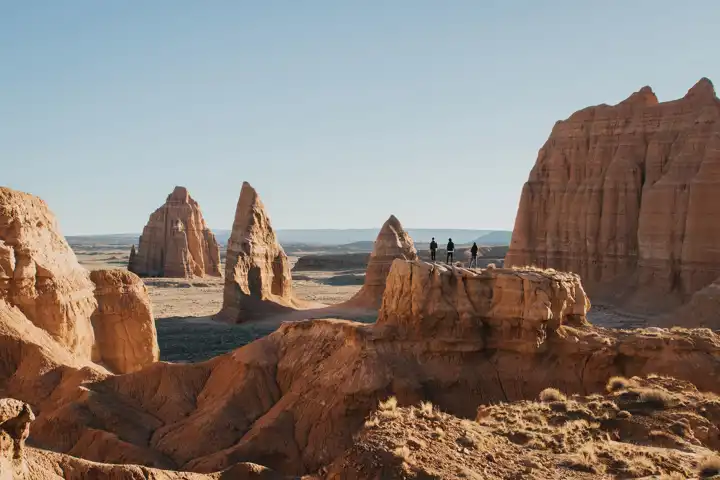
Guide to U.S. National Parks
Go off the beaten path and venture to one of these lesser visited National Parks in the western United States.
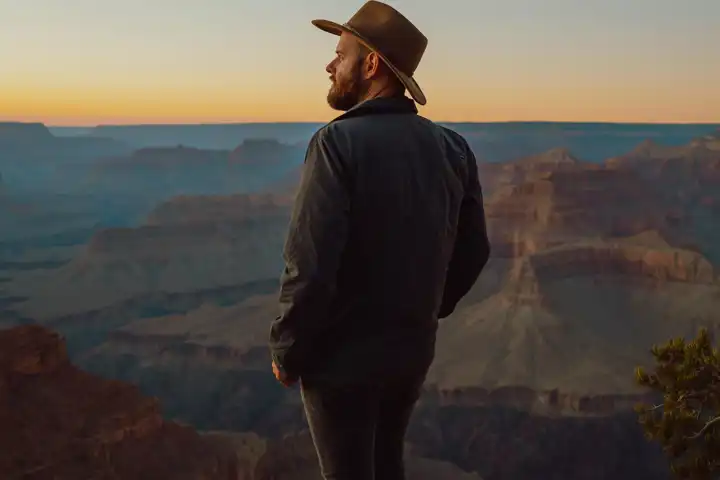
Grand Canyon Mini Travel Guide - Wonders Beyond the Rim
The Grand Canyon is a highly sought-after travel destination in the American Southwest. Our mini guide explores the wonders of the Grand Canyon beyond the rim.
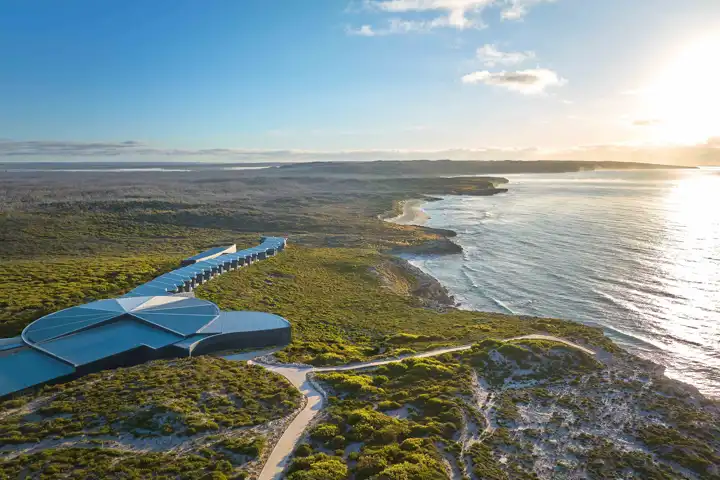
Southern Ocean Lodge
The Southern Ocean Lodge, a world-renowned luxury lodge, has reopened its doors to guests after the devastating bushfires on Kangaroo Island in 2020.

Explore the Best of 2023: Our Top 10 Travel Blogs
As the year draws to a close, we're taking a look back at some of our most read and loved articles. This curated list is your ticket to an expedition around the globe.

Best Things to Do in Ireland with Kids
From puffins and ghosts to chocolate and music, these are the best family activities in Ireland.
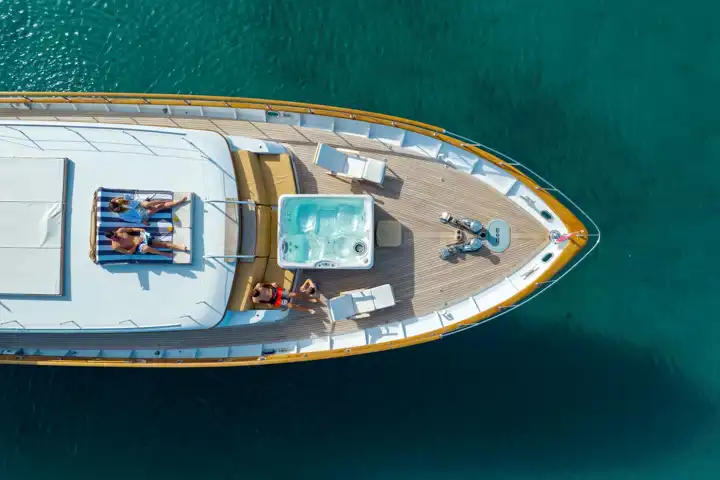
Croatia Family Yacht Charter
Six reasons why you should book a luxury yacht charter in Croatia for the whole family.
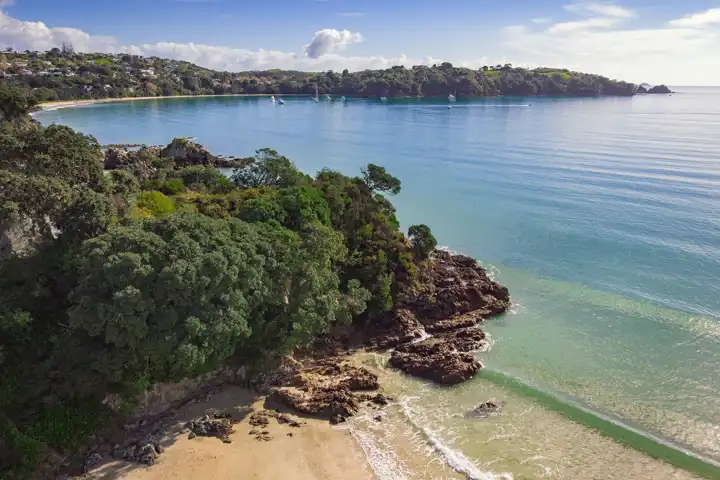
Waiheke Wanderlust
A travel guide to New Zealand's Waiheke Island. Discover paradise on New Zealand's hidden gem.
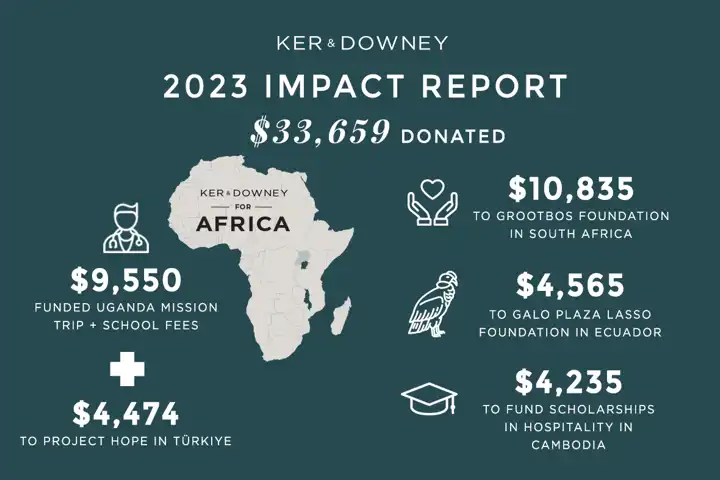
Ker & Downey's 2023 Impact Report
Traveling with Ker & Downey changes lives. Thanks to you, we were able to give back in a significant way in 2023.
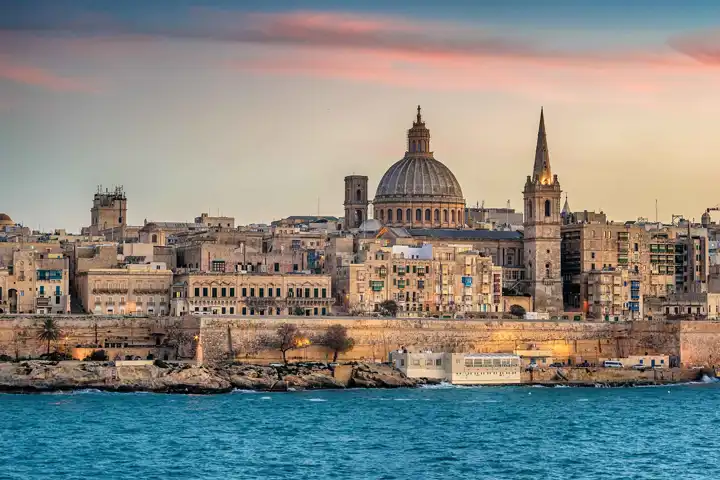
Marvels of Malta
The Maltese Islands are the quintessential jewel of the Mediterranean. Here's six reasons why Malta should be on your list.
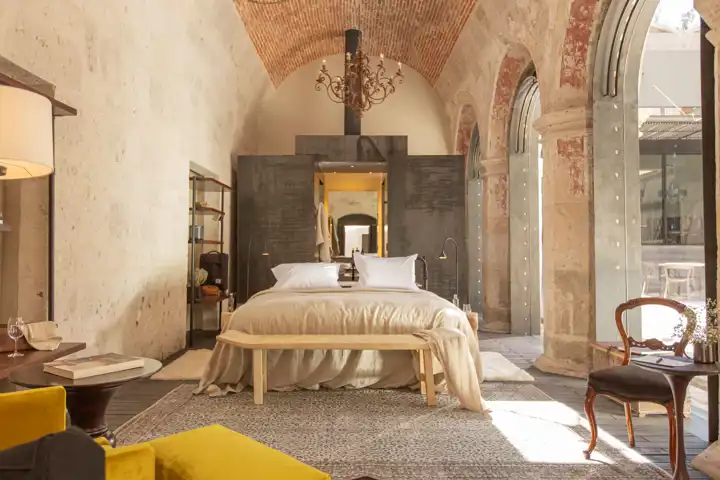
Best Luxury Hotels in Peru
Here are some of the best luxury hotels in Peru, specifically those under the Relais & Châteaux patronage. These locally owned, boutique luxury hotels promise uncompromising luxury and an authentic sense of place.
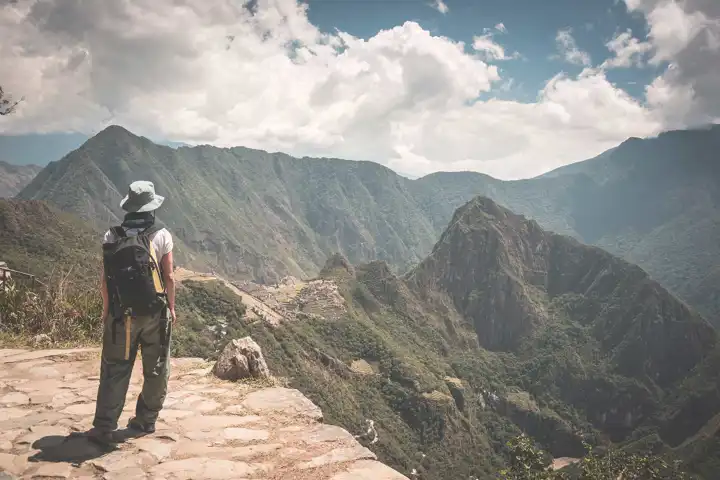
South America Packing List
Preparing to travel to South America? Here is our essential South America packing list for a 10-14 day trip.
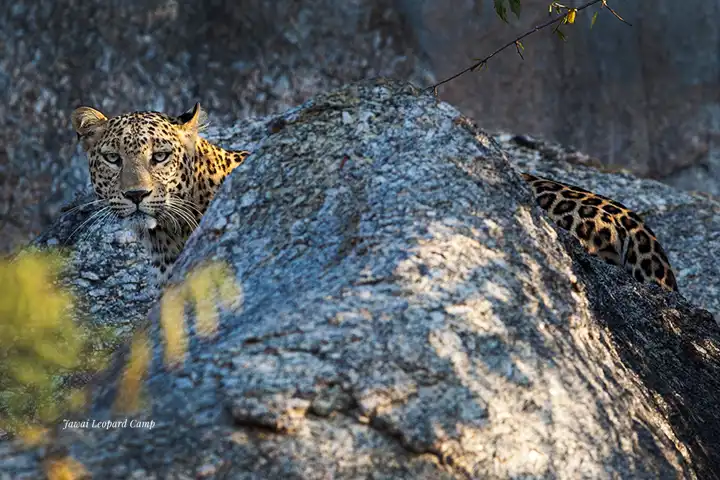
Top Wildlife to See in India
We unveil our top seven extraordinary wildlife sightings in India, some of which must be witnessed to be believed!
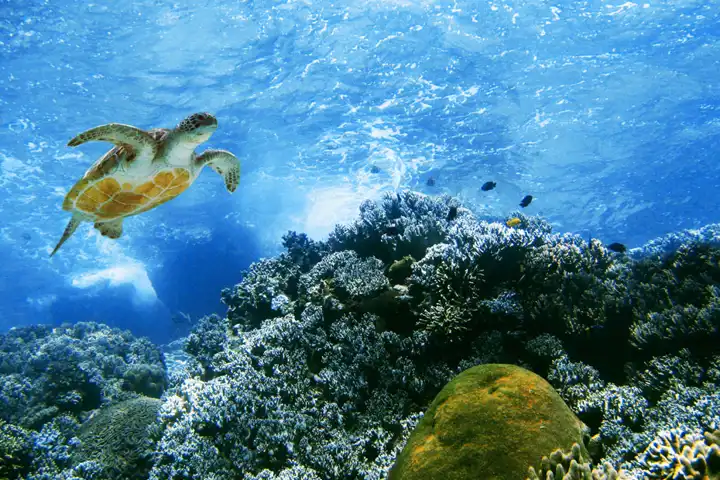
Galápagos Travel Guide
Everything you need to know about travel to the Galápagos Islands: land vs. sea options, vessel considerations, and the best time to travel to the Galápagos.
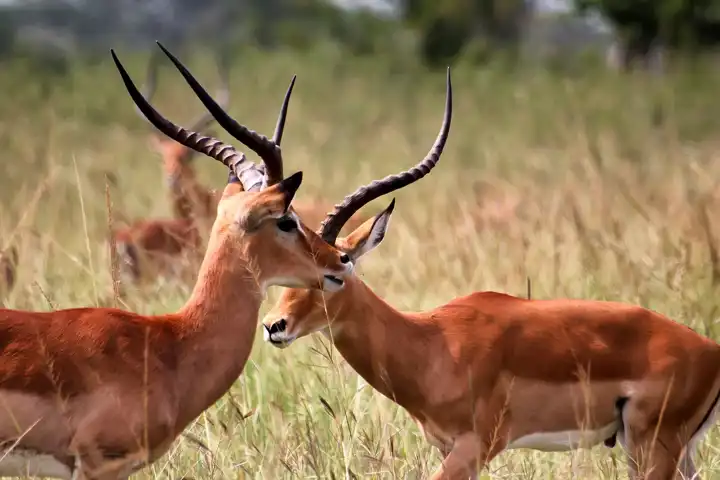
Where to Go in Africa in 2024
Offering incredible safaris experiences without the crowds, here's the five African destinations that should be on your list for 2024.
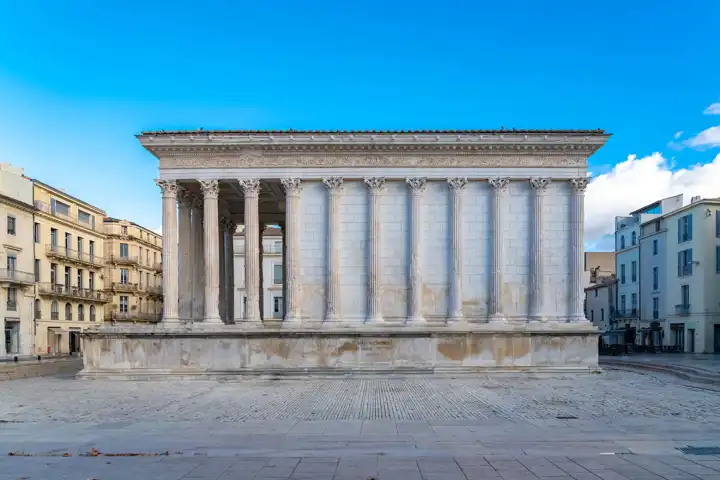
UNESCO World Heritage Sites to Add to Your List
Here are seven of the newest UNESCO World Heritage sites and how you can include them on your next Ker & Downey journey.
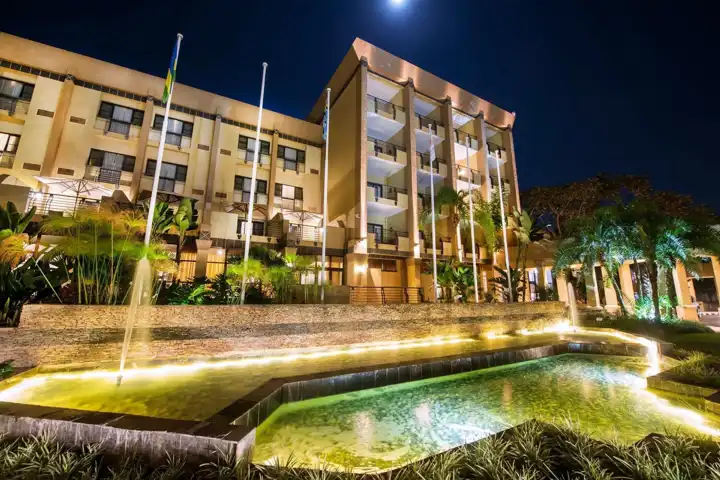
Kigali Serena - Ker & Downey
Experience elegance and hospitality at its finest with Kigali Serena Hotel with Ker & Downey. Discover luxurious accommodations, exceptional service, and a central location in Kigali. Book your stay for a perfect blend of comfort and convenience
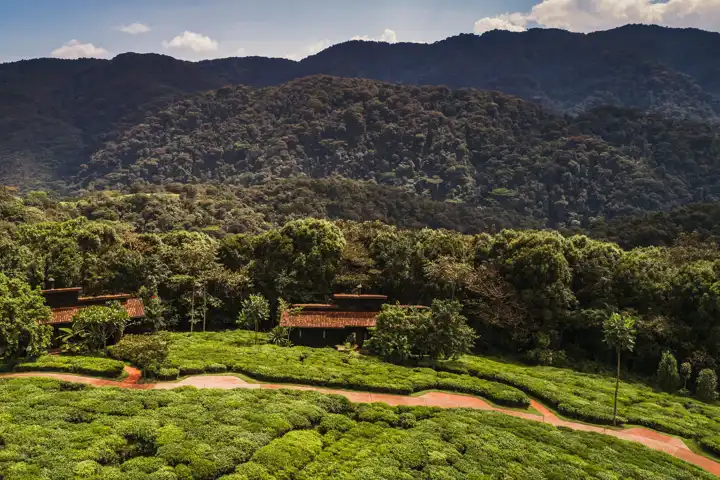
One&Only Nyungwe House
Designed to integrate into the surrounding environment, the One&Only Nyungwe House is perched on a tea plantation at the edge of the rainforest. Relax mere steps away from hiking and tracking the abundant primate species that call the forest home when you stay at this luxury Rwanda lodge.
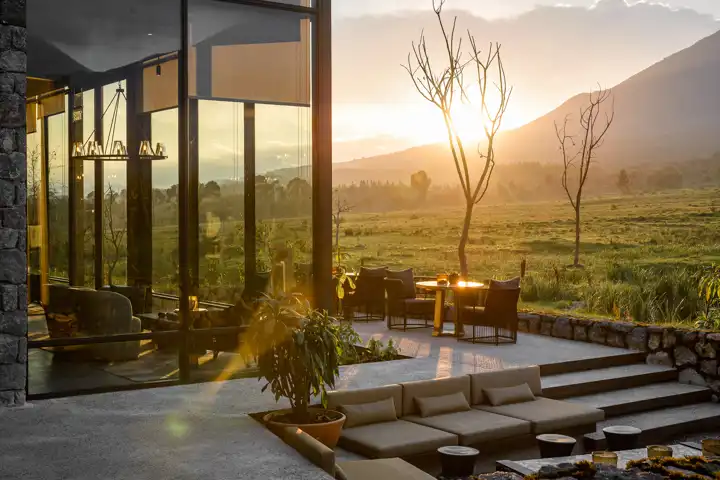
Singita Kwitonda
Sitting snug between Volcanoes National Park and fertile agricultural land, Singita Kwitonda serves as a buffer between the two. Guests can renew and regenerate at this serene lodge in the shadows of Rwanda's misty mountains.
What to Pack for a Jaguar Safari in the Pantanal
Six days in the Pantanal? Here's what to pack.
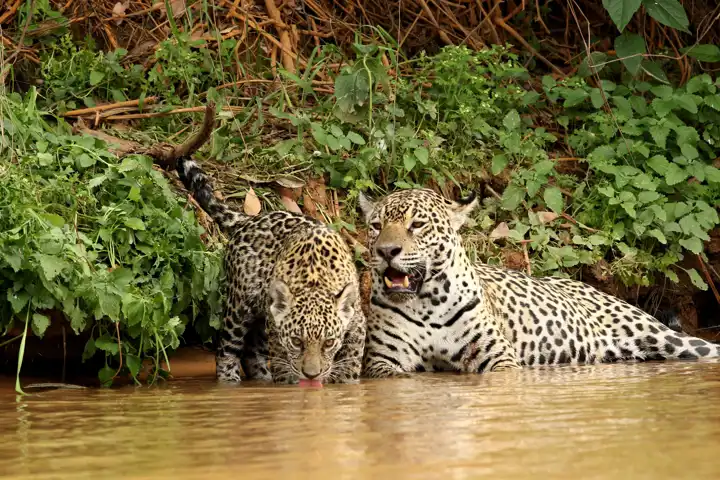
Jaguar Safaris in the Pantanal
David Marek, President of Ker & Downey, shares his thoughts on jaguar safaris in the Pantanal, and how it compares to and African safari.
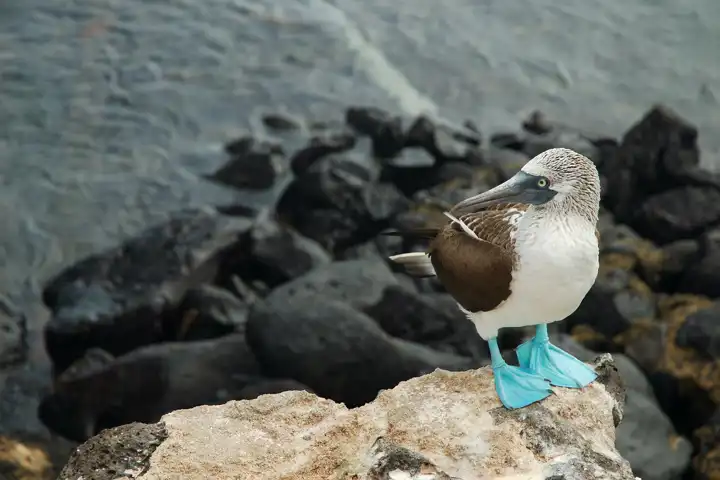
Unexpected Last Minute Escapes
Our team of travel connoisseurs has scoured the globe to bring you the crème de la crème of last-minute escapes that promise to turn your spontaneous desires into unforgettable journeys.
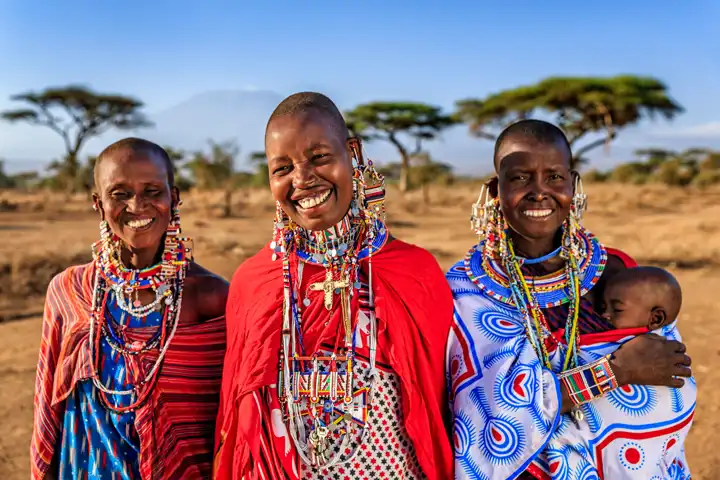
Twala Cultural Manyatta - The Story of Rosemary Nenini
What started as a dream has turned into a movement.
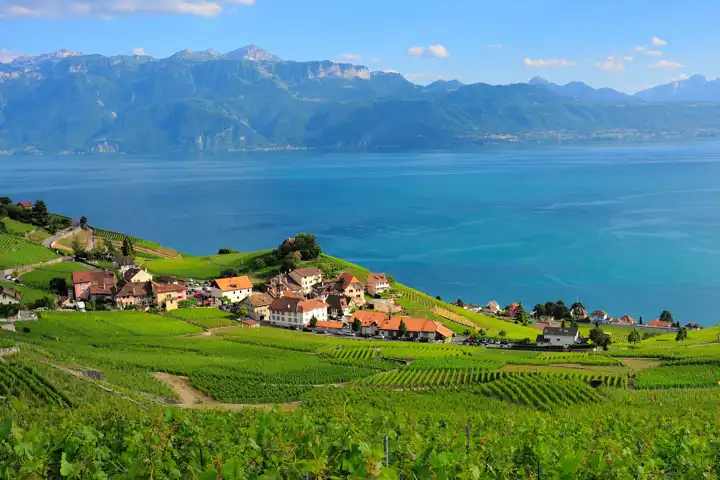
All About Lausanne
Experience the best of the Swiss city -- where to stay, what to do, and what to eat and drink.
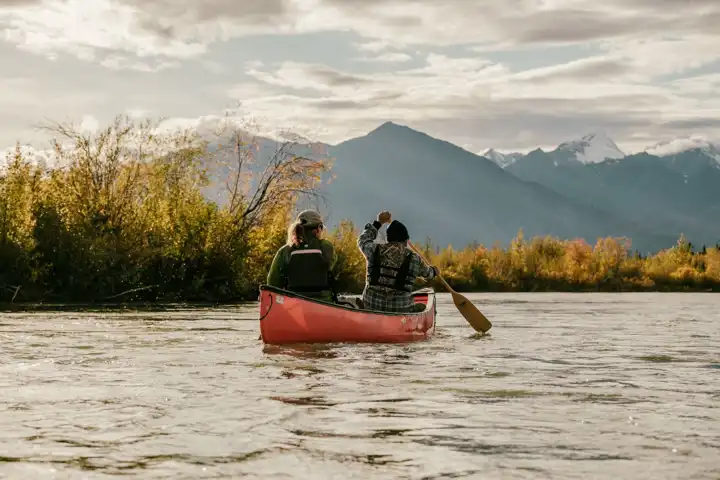
Northern Reaches
Travel to Northern Canada – an unpretentious, untamed land where the locals have a story to tell to those adventurous enough to hear it.
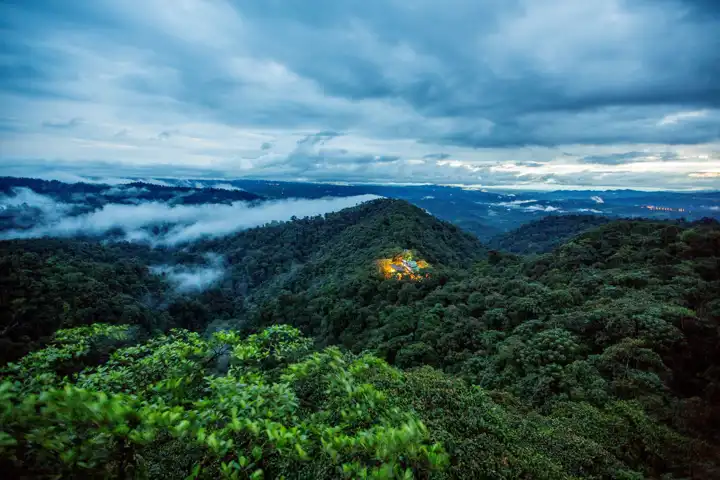
Regenerative, Remote, Rewarding
Why Ecuador's sustainable practices, hidden treasures, and diverse landscapes make this country a must-see.
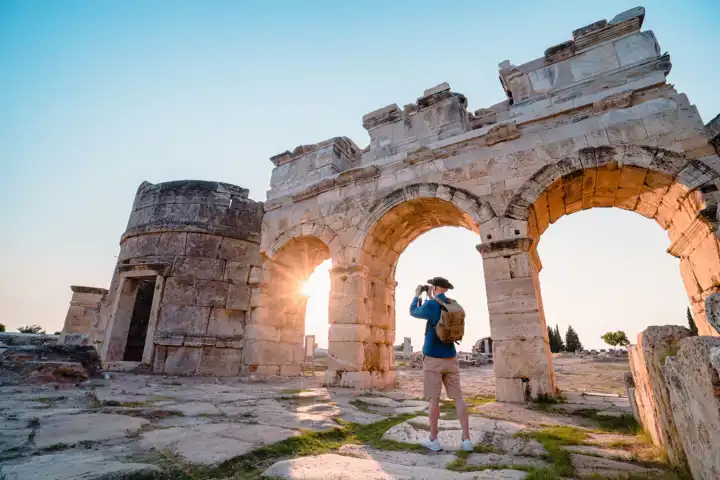
Among the Greats
Exploring the many UNESCO World Heritage Sites of the Republic of Türkiye.
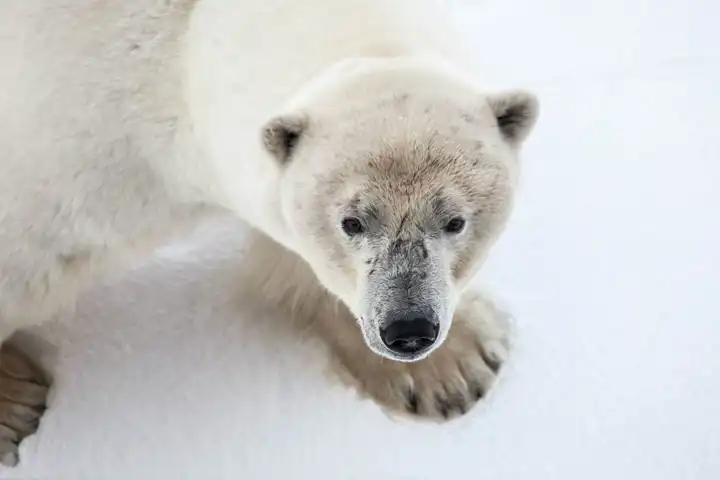
Animals of the Arctic
Ker & Downey General Manager Tiffany Dunn shares the "surprise and delight" of her safari-like encounters with the animals of Spitsbergen.
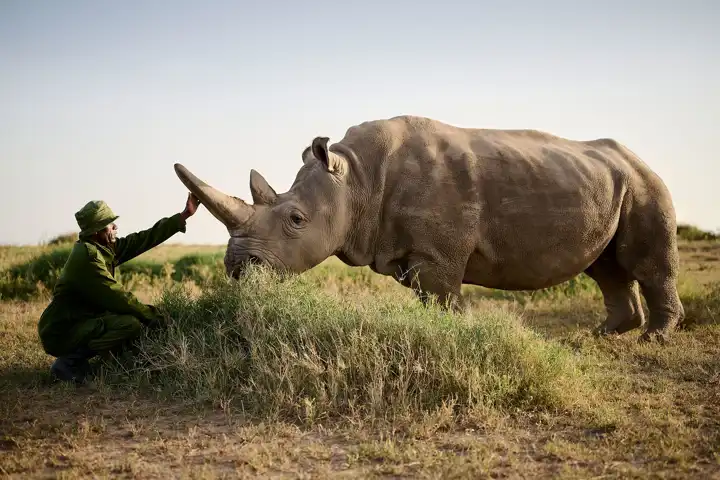
The Shot: Northern White Rhino
One picture, one moment, one memory captured by Photographer Mark Williams.
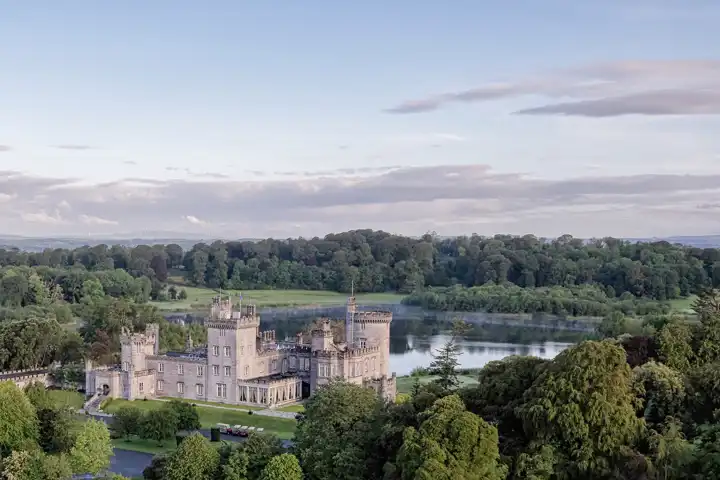
Where to Travel in Europe in 2024
These destinations in Europe are worth considering for your 2024 travel plans.
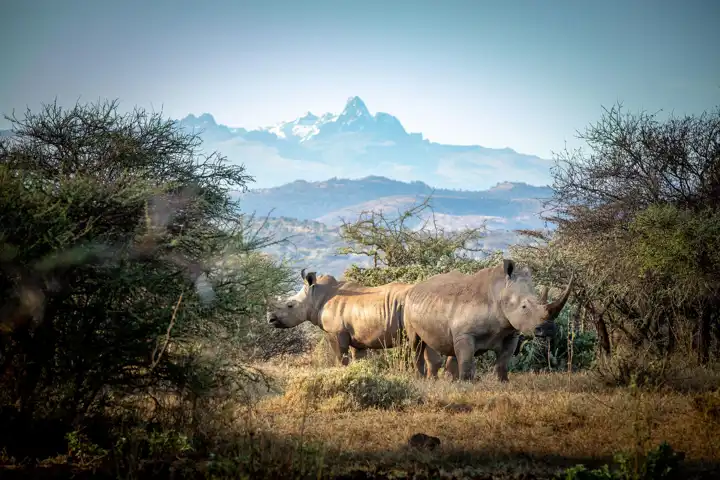
The Endangered Giants: Where to See Rhinos
We delve into the remarkable world of rhinoceroses, their critical role in ecosystems, and the alarming challenges they confront in their battle for survival.
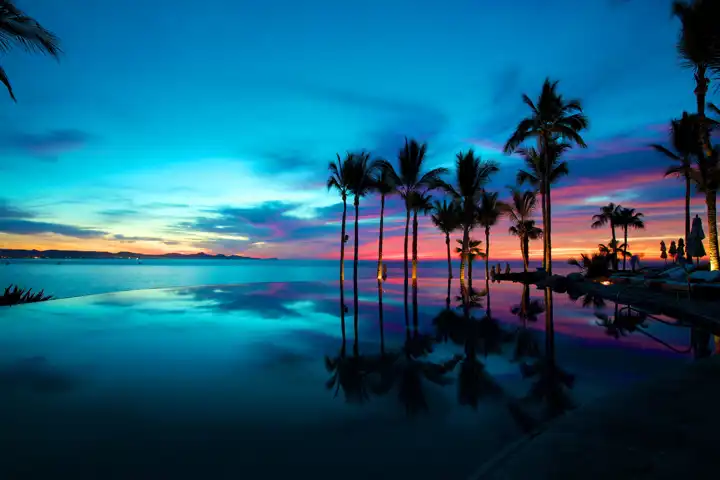
Winter Travel Guide
Traveling in winter offers benefits like incredible scenic beauty, fewer crowds, unique activities, cultural experiences, and even holiday festivities. We explore some of our favorite winter getaway experiences that you can plan now.
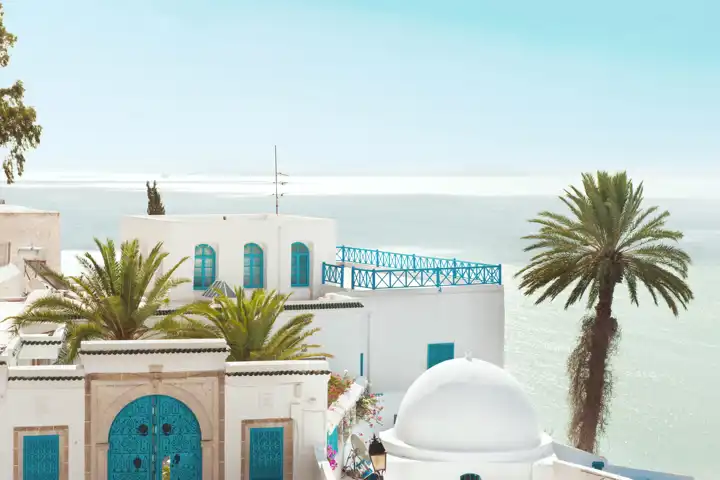
Tunisia: Unknown Africa
Tunisia isn’t the first to come to mind when the continent is mentioned, but there are plenty of reasons why it should be for a traveler seeking something beyond a traditional safari.
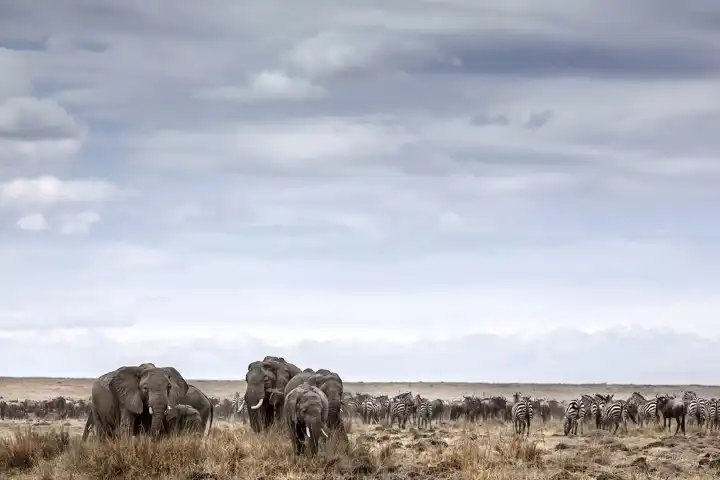
Botswana Luxury Safaris
Botswana is a country of striking physical beauty. A multitude of unique habitats coupled with rich bio-diversity make it an ideal destination for Botswana luxury safaris.
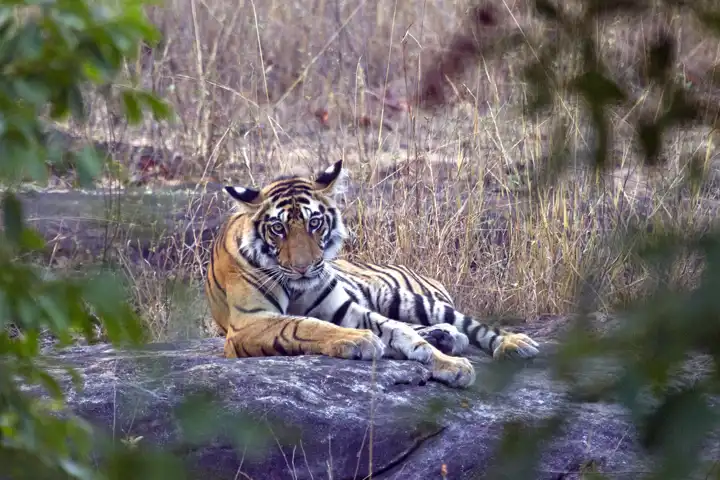
Big Cats of India
Conservation programs in the country have resulted in an uptick in the number of big cats across India’s national parks.
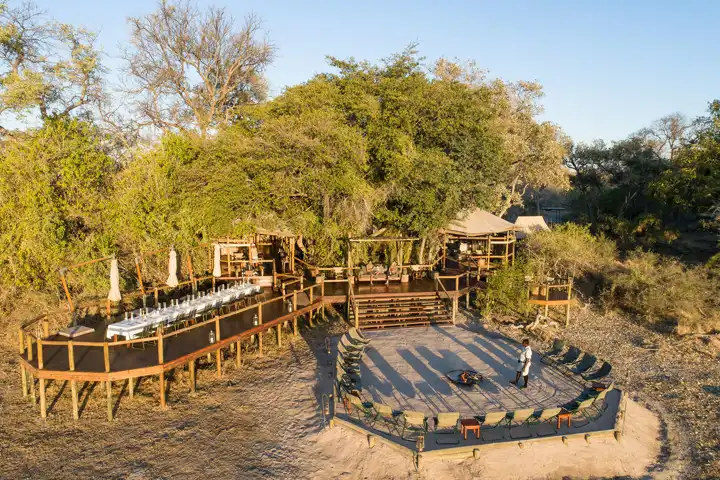
Kanana
A stay at Kanana is an immersive experience in one of Africa's most pristine and breathtaking landscapes. Experience the best of the Okavango Delta at Kanana.
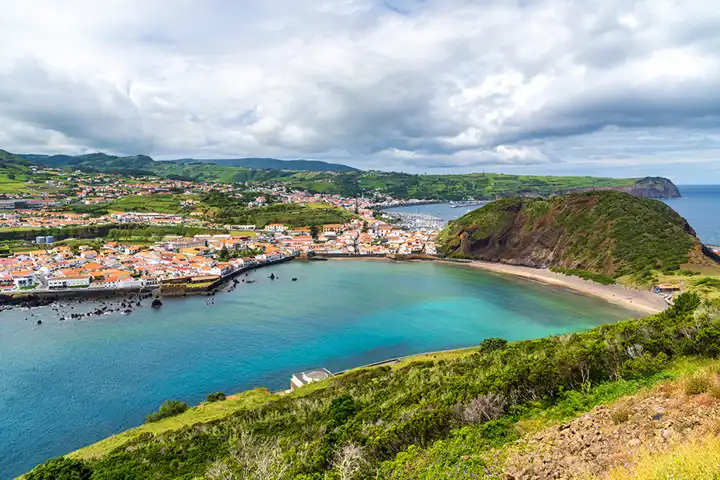
Where to Travel in 2024
Explore captivating jungles, discover the shimmering kasbahs of the Sahara, and revisit a classic safari spot. Join us as we unveil 2024's hottest travel destinations.
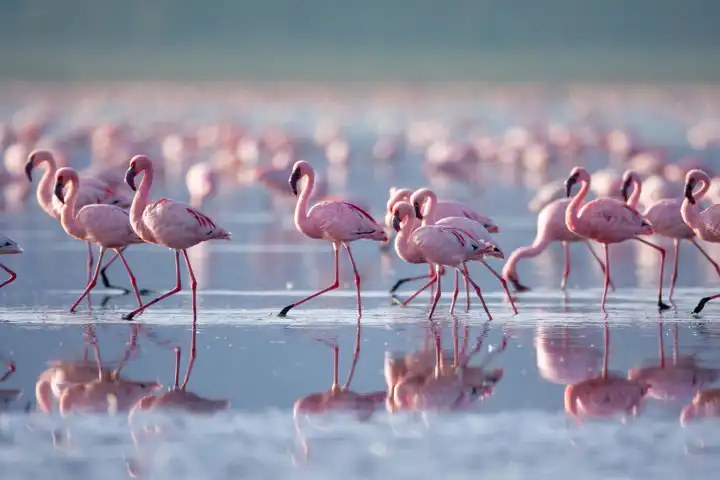
Great Rift Valley in Kenya
The Rift Valley is one of the most awe-inspiring highlights of Kenya, where the crack has literally cut the country in two and created some of the Kenya’s most spectacular lake systems and wildlife habitats.
Renewing Your Passport with Ease
One of the most frequently asked questions we encounter is, "My passport has expired, and I have upcoming travel plans. How can I expedite the renewal process?" We've got your back with answers to this common dilemma.
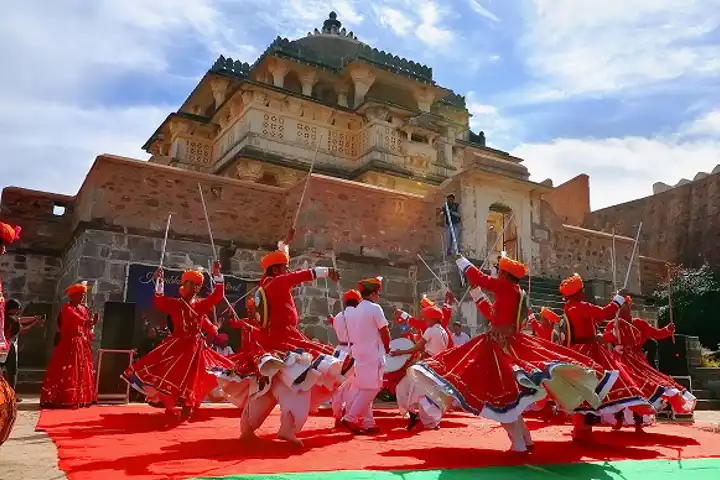
Asia and When to Travel
From iconic landmarks like Mount Everest and the Yangtze River to ancient civilizations and vibrant festivals, Asia harmoniously blends tradition with modernity. Discover answers to FAQs and the best times to visit Asia in Ker & Downey's Asia travel guide.
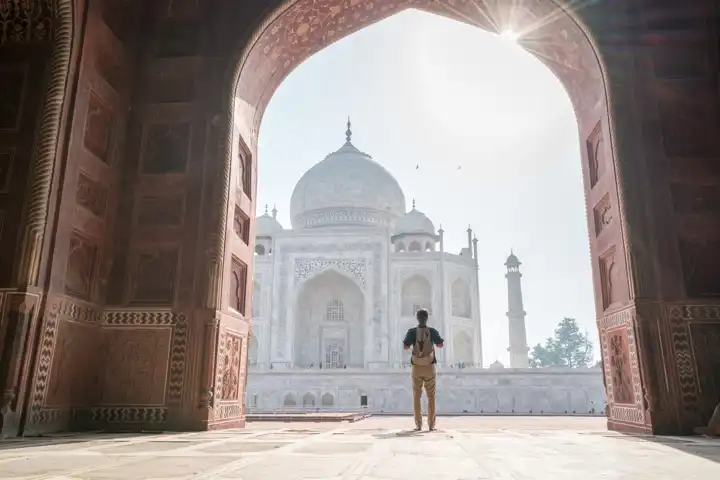
Where to Travel in Asia in 2024
Read on for Ker & Downey's suggestions on four Asian destinations that should be on your radar for 2024.
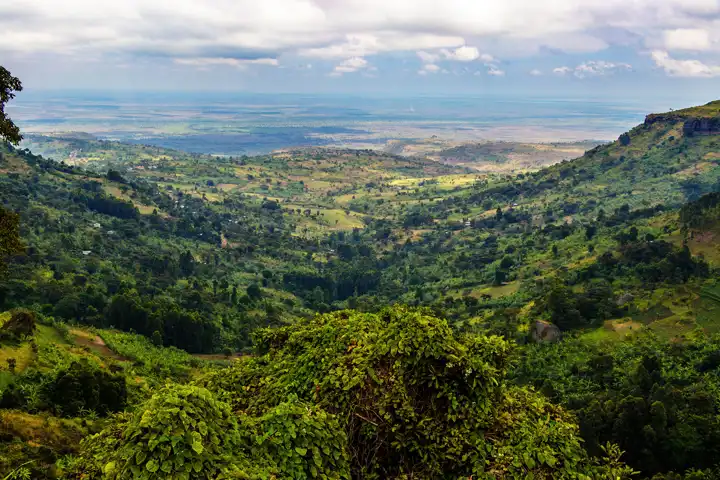
Jinga
Best known for its location on Lake Victoria at the source of the Nile, Jinja is a buzzing little city in eastern Uganda that has quickly risen to become the adrenaline capital of East Africa.
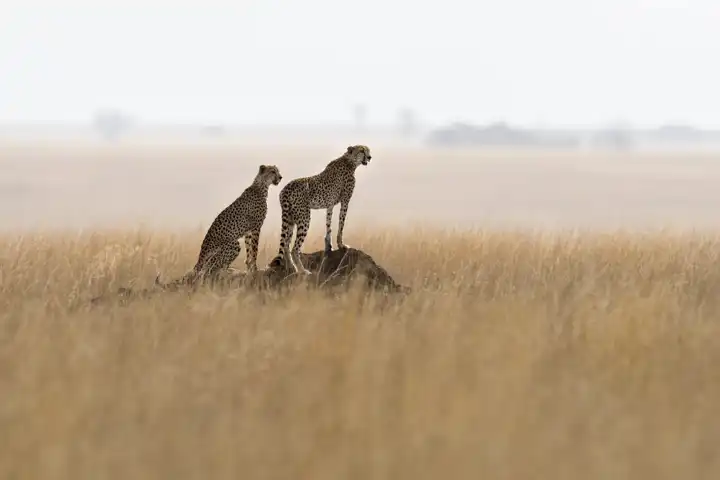
Ker & Downey: Africa Safaris and Adventures
Ker & Downey's Africa safaris are multi-award winning journeys, experienced by discerning clients from across the world, and always carefully hand-crafted by our trusted team of destination specialists.
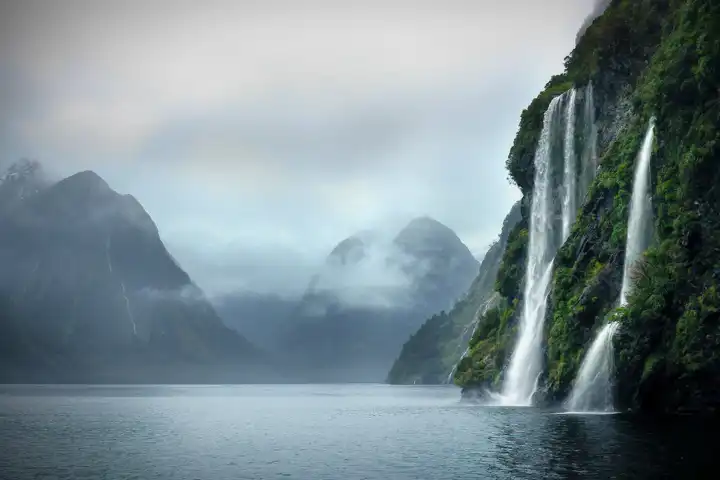
Fiordland Navigator
Experience the inspiring beauty of New Zealand on the Fiordland Navigator. This one-night Doubtful Sound cruise in New Zealand is an exploration of stunning wildlife.
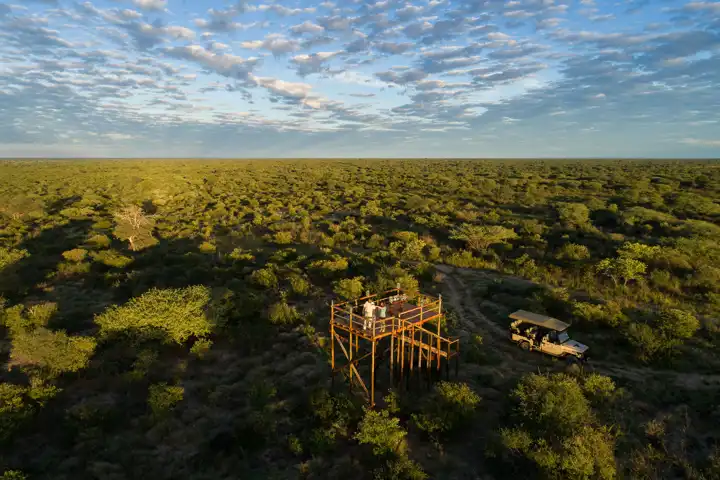
Dinaka Safari Lodge
Dinaka, a stunning safari lodge, is the perfect place to stay for a Kalahari Experience. Dinaka Game Reserve has so much to offer everyone.
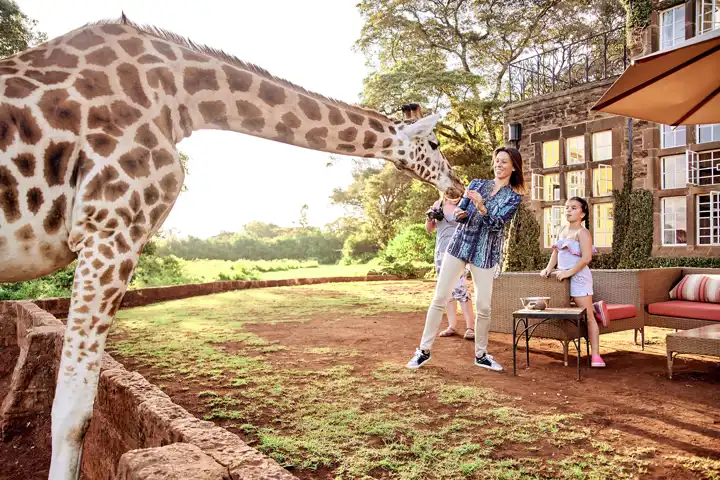
Giraffe Manor
Giraffe Manor is an iconic Nairobi boutique hotel situated on 12 private acres, surrounded by an additional 140 acres of indigenous forest, where the giraffe join you for tea.
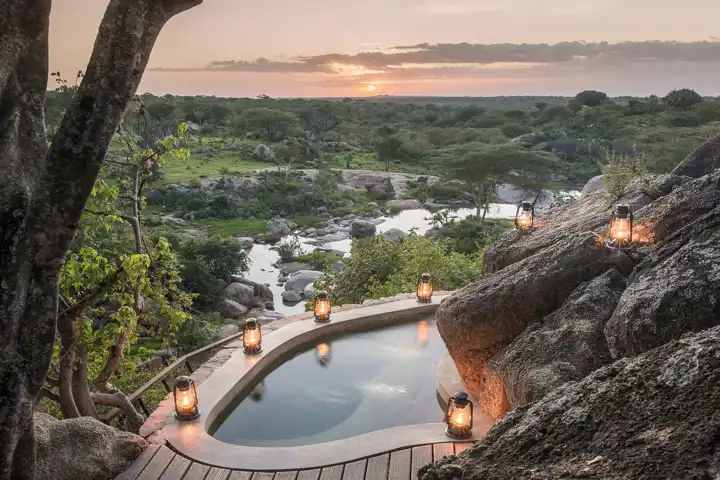
Ker & Downey Tanzania
Ker & Downey Tanzania is an East African luxury safari outfitter that specializes in legendary classic tented and adventure safaris in exclusive wilderness areas in Tanzania.
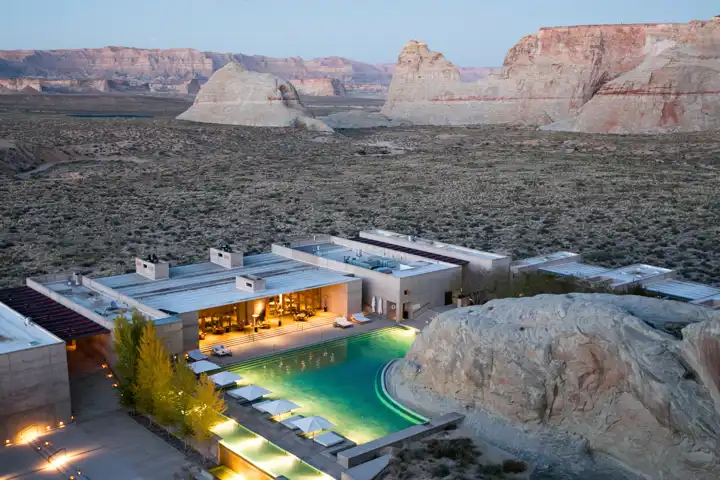
Amangiri
A sleek all-suite hideaway in the heart of Navajo country, Amangiri is both a modernist luxury desert oasis and a Rick Joy designed architectural marvel, surrounded by the ancient geological splendor of some of the country’s most fascinating National Parks and monuments.
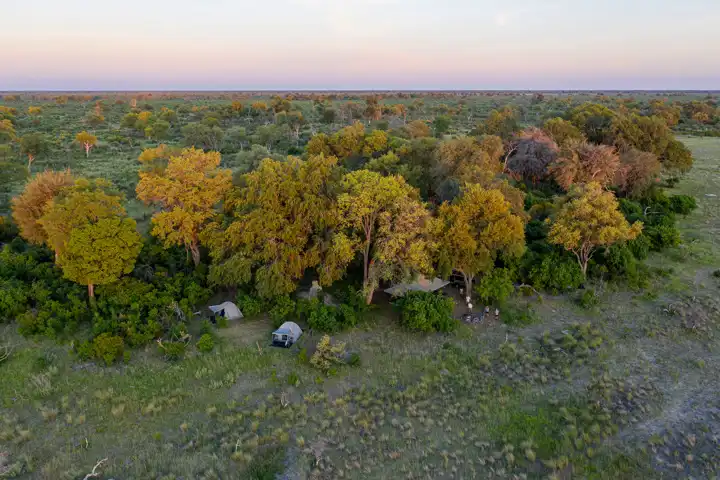
Kweene Trails – A Botswana Mobile Camp Adventure
Kweene Trails offers unmatched exclusivity in the Okavango Delta. From the mobile safari camp, explore 74,000 acres of Abu Private Reserve.
All About the Okavango Delta
The Okavango Delta is the lifeblood of Botswana. Immerse yourself in the breathtaking beauty of the Okavango Delta with Ker & Downey's expertly crafted safari experiences.
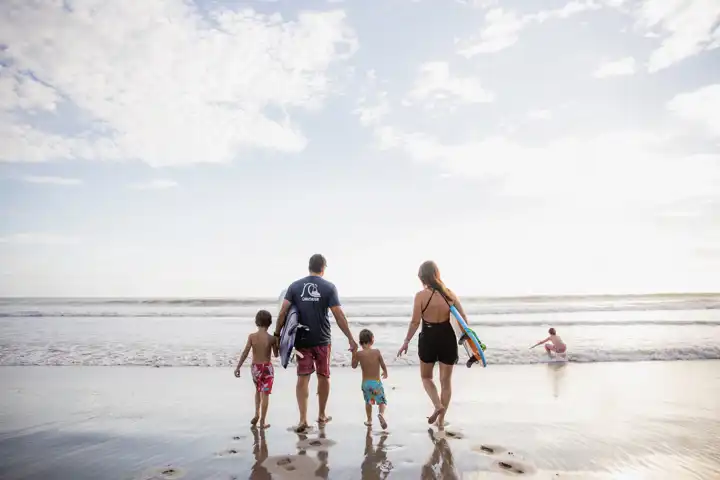
Where to Travel in Latin America in 2024
These destinations in Latin America are worth considering for your 2024 travel plans.
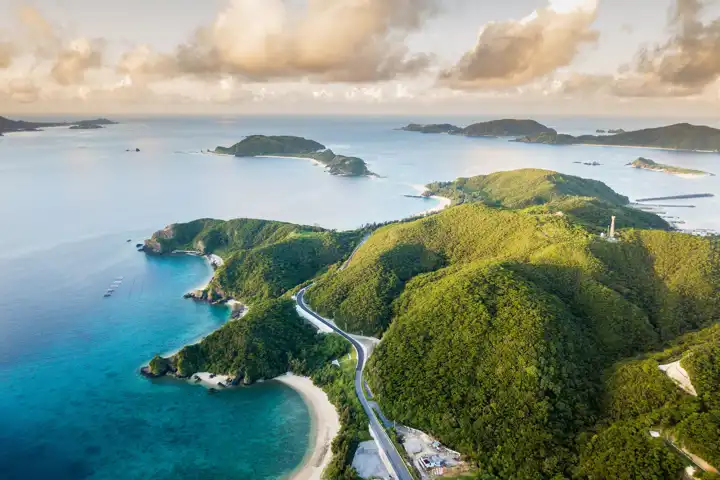
Japan's Southern Islands
Visiting Japan's southern islands -- Chogoku, Shikoku, and Kyushu -- adds a new layer of depth and breadth to luxury tours to Japan.
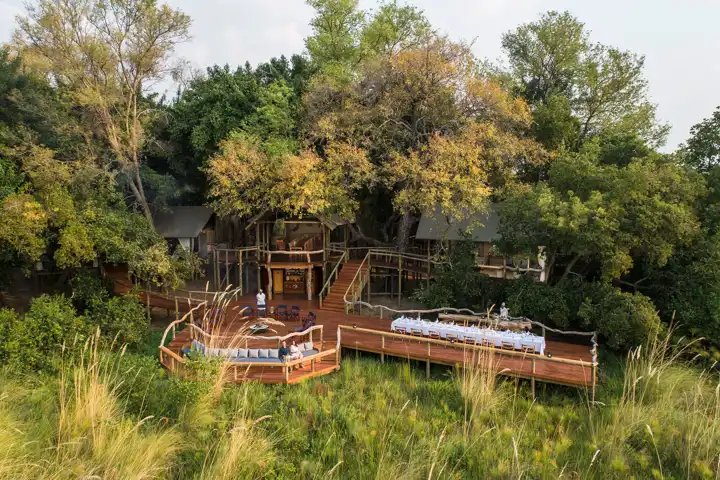
Shinde
Shinde in Botswana is nestled on a lush palm-dotted island in the heart of the northern Okavango Delta. Delight in the best game viewing and bird watching in some of the most luxurious surroundings in the Delta.
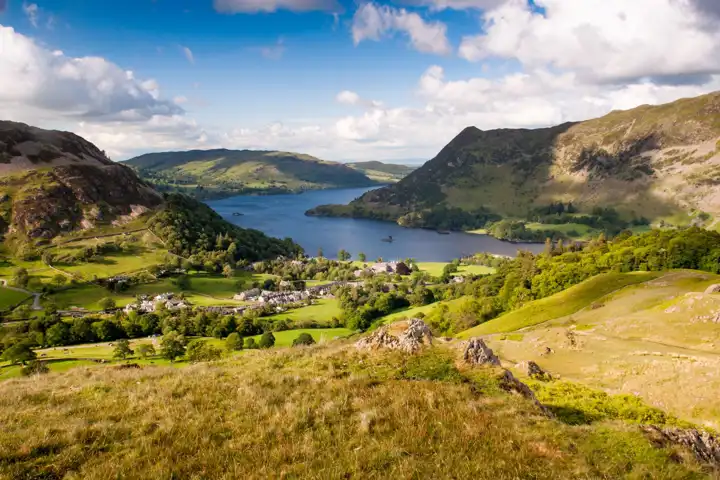
Lake District Travel Guide
Ker & Downey's Nicole Porto traveled to the Lake District in the United Kingdom. Here are her top recommendations in this natural paradise.
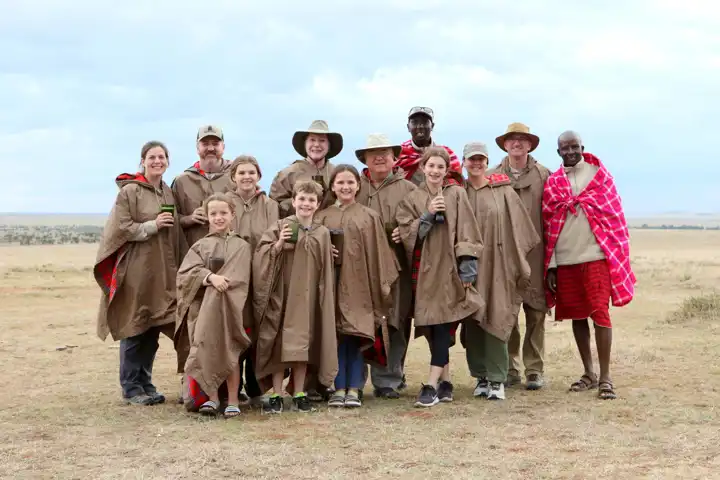
Granddaddy Safari
Ker & Downey client Steve Brandon shares his experience traveling to Kenya on a luxury Kenya family safari with his grandkids, his children, and their spouses.
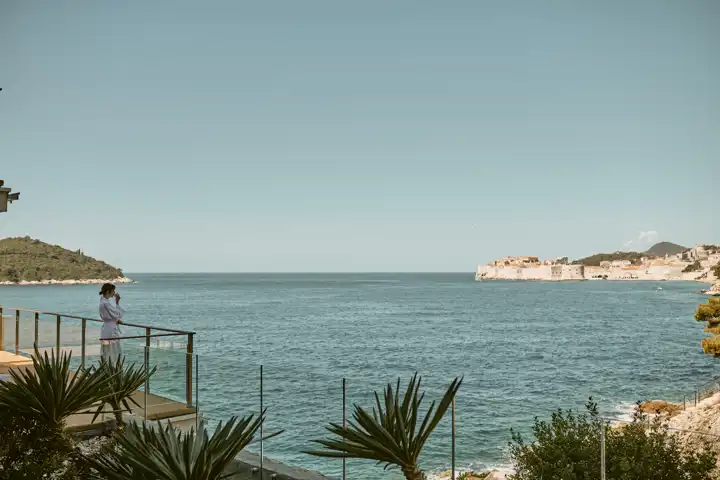
Hot Spots: Luxury Hotels in Croatia
Product Manager Elizabeth Frels explains why you really can have it all with these new luxury hotels in Croatia.
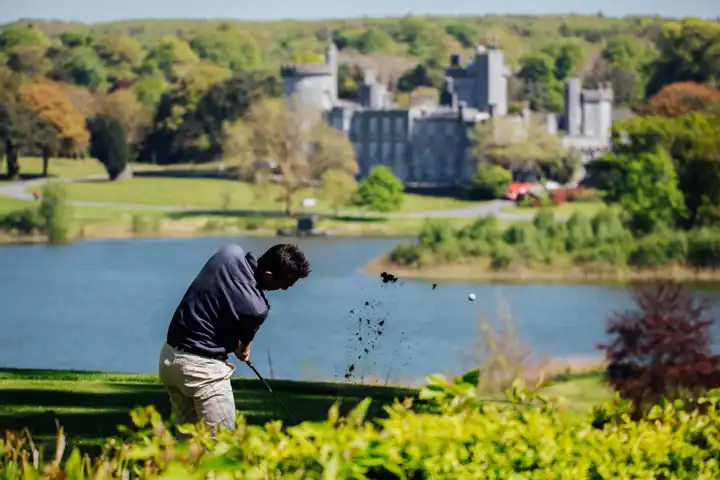
Best Golf Courses Around the World
Explore some of the best golf courses around the world with Ker & Downey. Here are our favorite golfing hot spots, from Scotland to South Africa.
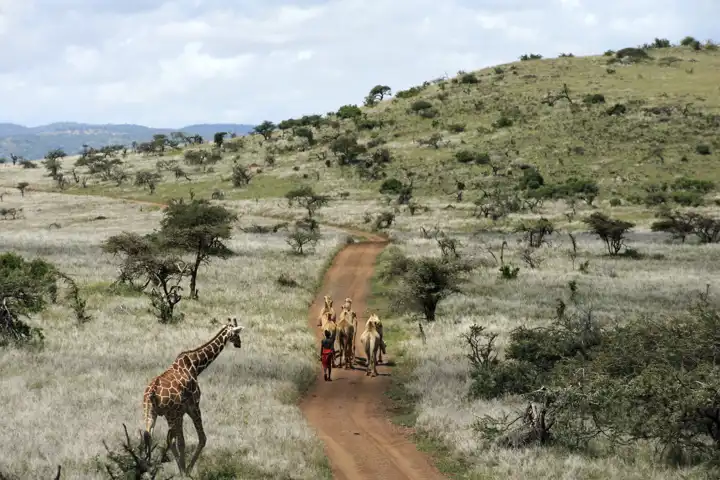
Return to Kenya's Wild
Discover three of Ker & Downey’s favorite private Kenyan safari homes in the wilds of Africa.
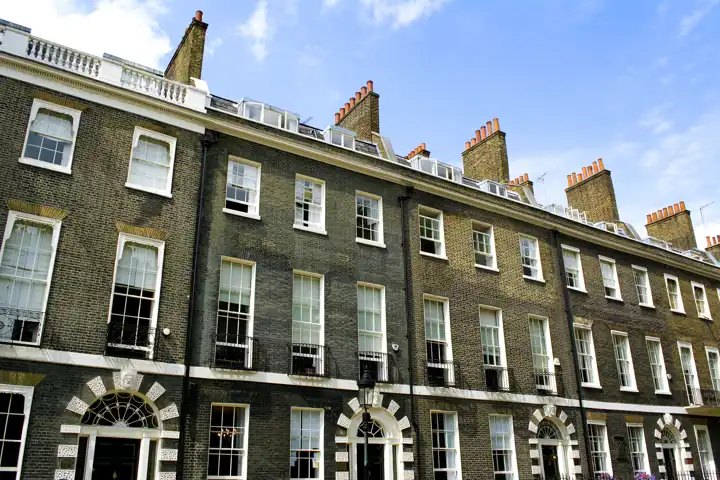
Where to Experience Literary and Artistic History in London
Walk in the footsteps of Virginia Woolf, F. Scott Fitzgerald, and Ernest Hemingway.
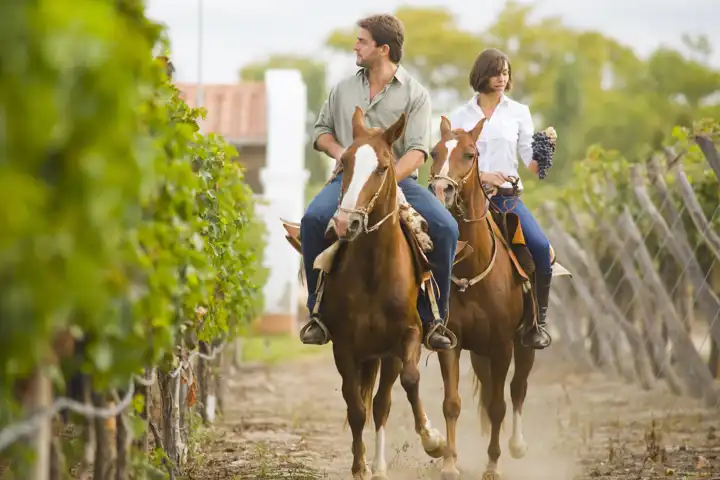
Our Favorite Latin American Wineries
Ker & Downey's guide to the top Latin American wineries and wine regions, from Chile and Argentina, to Peru and Uruguay.
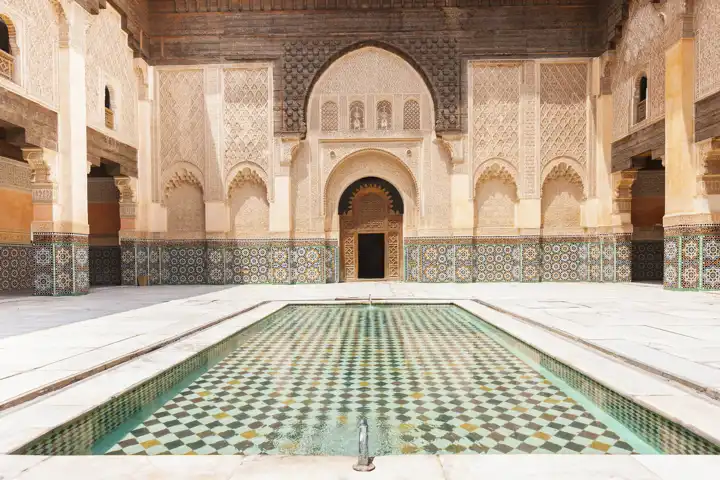
Trip to Morocco
From the nomadic Berber tribes to the vibrant city life, a trip to Morocco will leave you wanting more.
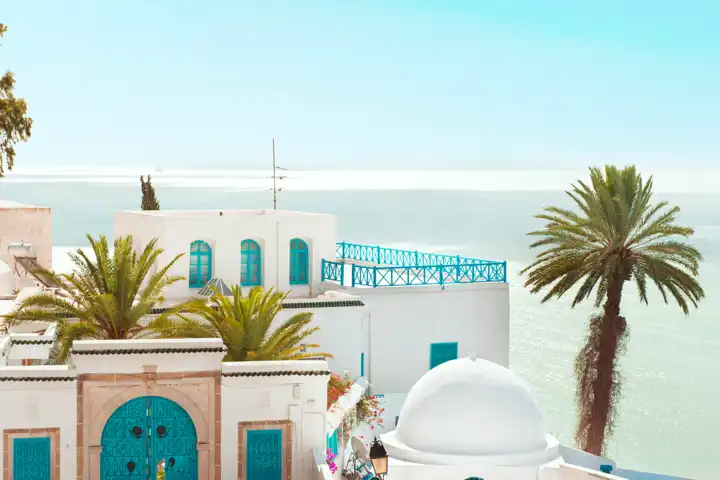
Where to Go in North Africa and the Middle East in 2024
These three destinations in the Middle East and North Africa are worth considering for your 2024 travel plans.
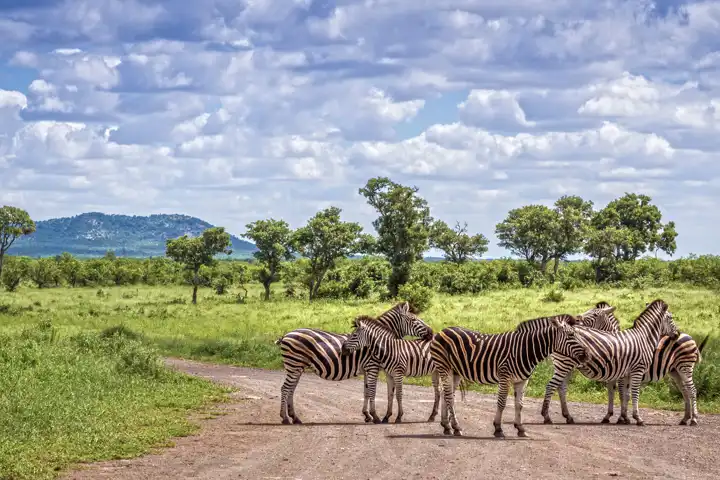
A Guide to Booking a Safari in South Africa
Deciding where to safari in Africa can be a difficult decision. However, both East African and South African Safaris have their own unique strengths.
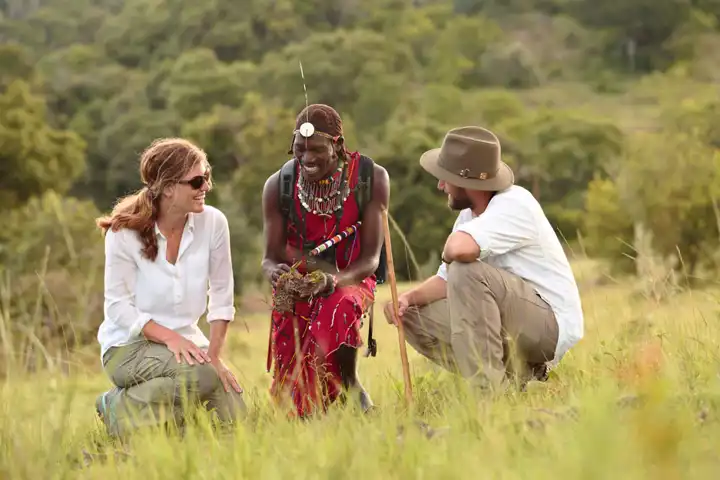
An African Safari with Ker & Downey
Everything you need to know to prepare for your upcoming safari with Ker & Downey.
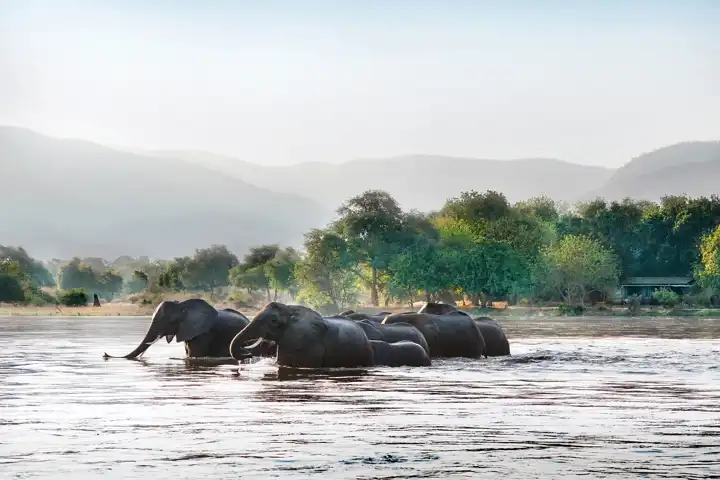
HGTV Renovation Wild
Follow Grant and Lynsey Cummings as they renovate and rebuild their world-renown safari camps in Lower Zambezi National Park in Zambia.

The Trend: Multi-Country Itineraries
Maximize your travels with a seamless multi-country itinerary. Discover how to pair destinations across Europe, Latin America, Africa, and Asia for an unforgettable, efficient, and enriching adventure.
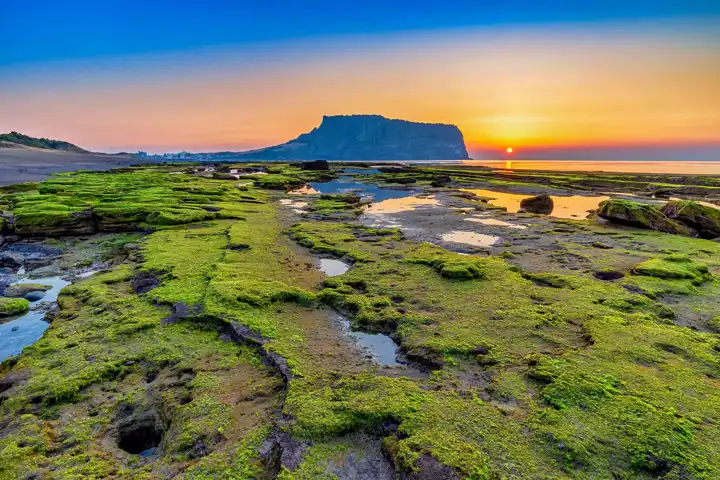
Discovering Jeju Island
Explore the wonders of Jeju Island. From breathtaking landscapes and cultural heritage to luxury accommodations and fine cuisine, discover why this South Korea travel destination is a must-visit.
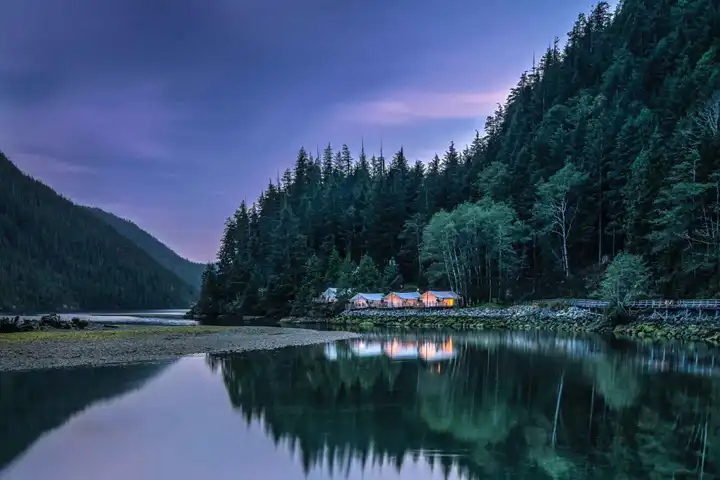
Plunge into the Wilderness
Exploring the ancient forests, wildlife, and thriving marine ecosystems of Vancouver Island from Clayoquot Wilderness Lodge.
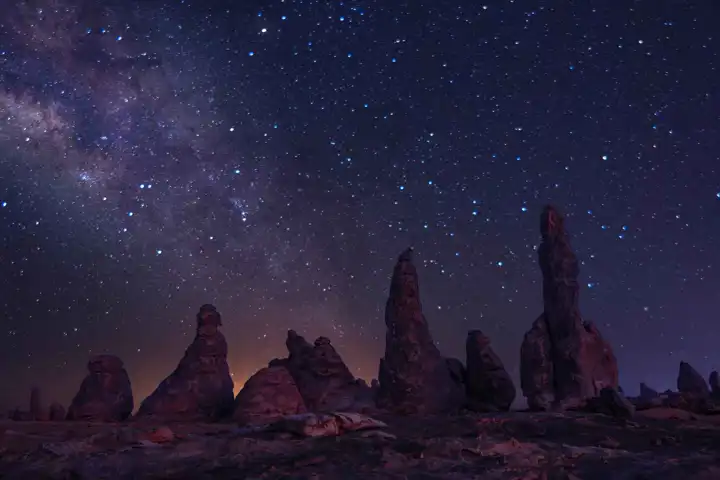
Arabian Nights: Saudi Arabia
Saudi Arabia is opening its doors to all travelers, welcoming them into a fascinating world of deep history and modern delights.
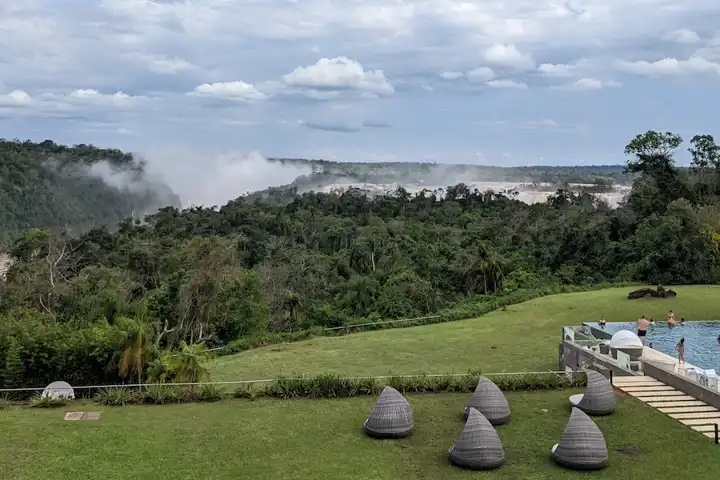
The Guide: Iguazu Falls
Ker & Downey Product Manager Elizabeth Frels reveals the best of the Argentinian side of Iguazu Falls -- where to stay, what to do, and what to eat and drink.
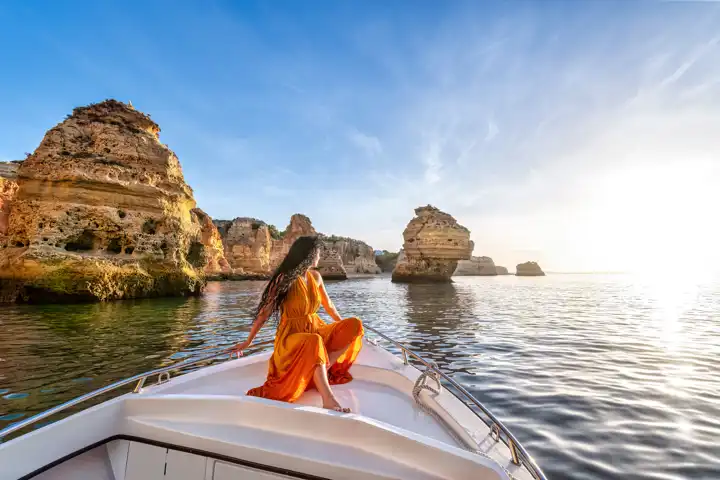
Unique Travel Ideas For Women
This one is for the ladies. To celebrate you, plan a journey around your favorite activity. We’ve rounded up some of our favorite unique travel ideas to get the wheels turning.
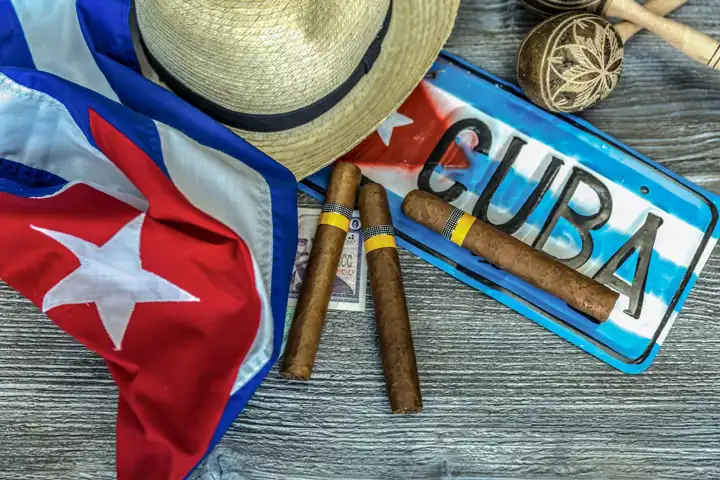
FAQs about Legal Travel to Cuba
Ker & Downey answers all of your Frequently Asked Questions about legally traveling to Cuba.
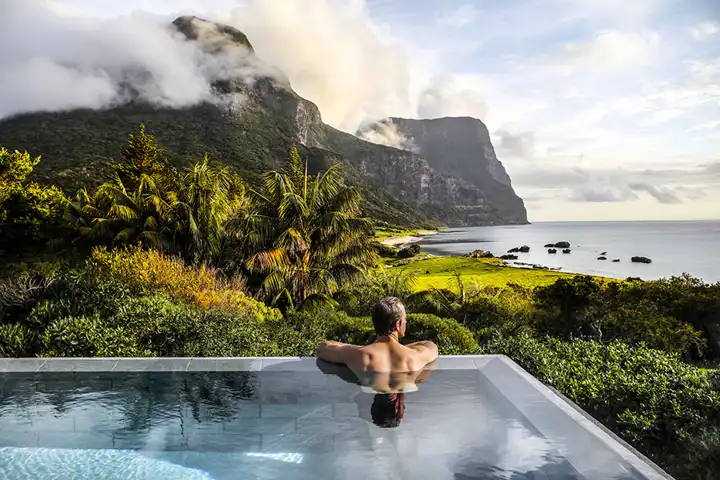
Paradise Found: Lord Howe Island
Just 600 miles to the west of Australia lies the world’s ‘last’ paradise: Lord Howe Island.
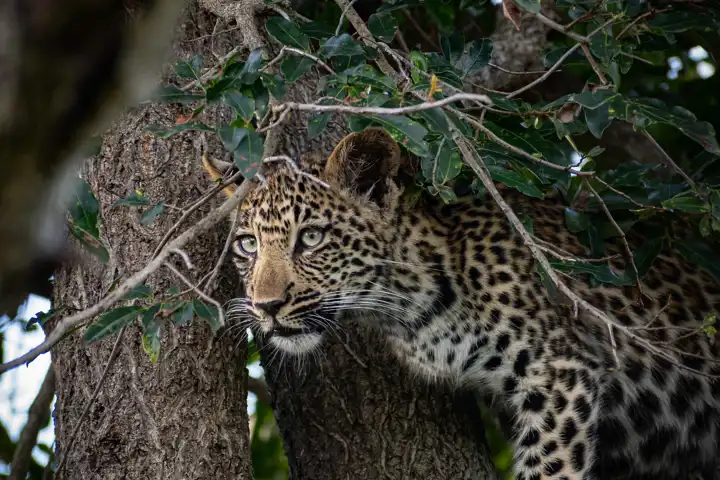
Life in the Wild - Dulini Moya
Writer Lauren Kramer recounts her safari experience at Dulini Moya, a private lodge in South Africa's Sabi Sand Nature Reserve.
A Solo Safari Made Simple
Thinking about traveling alone? We spoke with our client who traveled on a solo safari to South Africa.
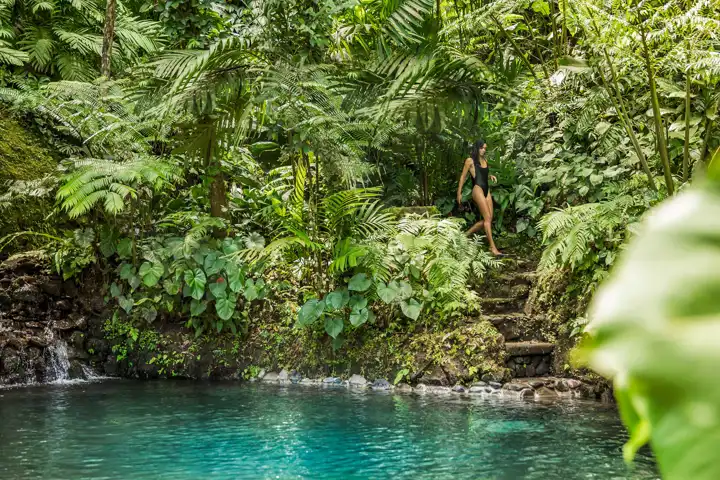
COMO Shambhala Estate
Escape to Bali and find the ultimate in relaxation and tranquility at the spa retreat and resort, the Como Shambhala Estate, where every detail reflects total healing and calm of body, soul, and mind.
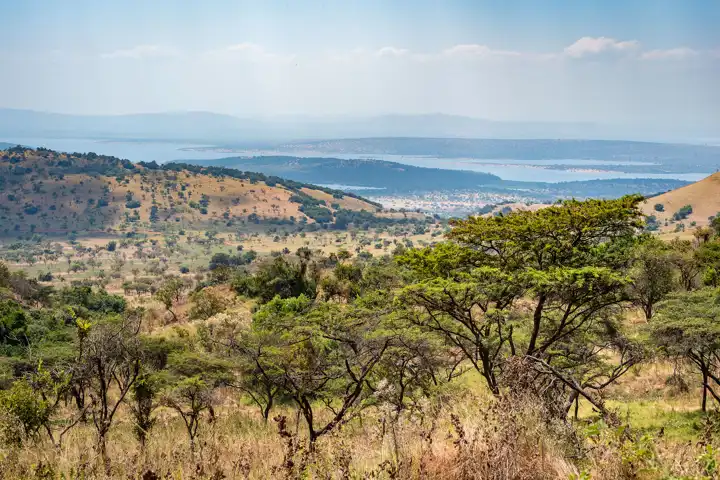
Small Countries, Big Impact
These three countries might be small, but their conservation and sustainability work are making a big impact, not only in their country, but worldwide.
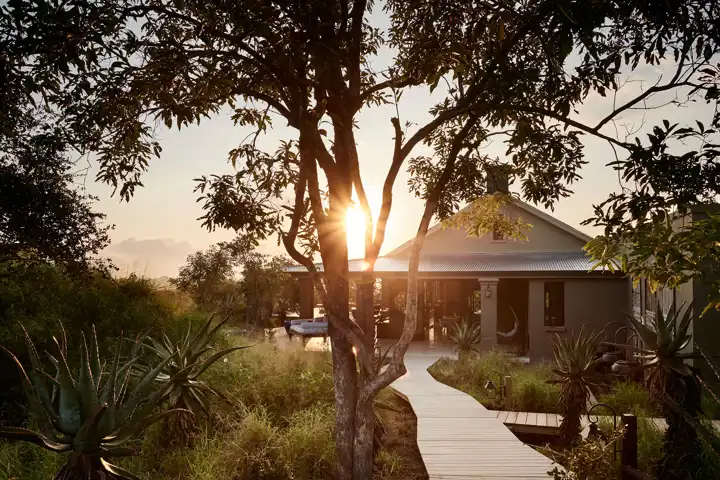
Seven Female-Owned Hotels to Add to Your List
Some of the world’s most iconic hotels are owned by women. These seven female-owned hotels are some of our favorite places to stay in the world. Be sure to add them to your list.

Where to Travel with Your Graduate
Celebrate your graduate in a big way with a big, life-changing journey. Ker & Downey shares five of our favorite graduation trip ideas for travel with your young adult.
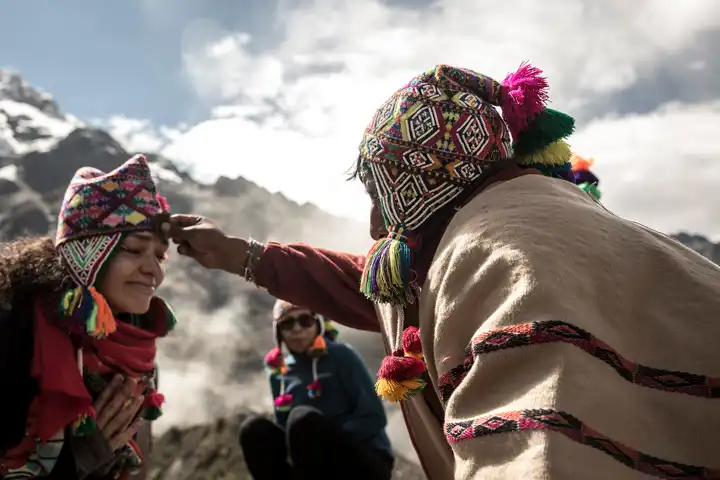
2023 Travel and Beyond
A letter from Ker & Downey President, David Marek, reflecting on travel in 2022 and looking ahead to 2023 travel.

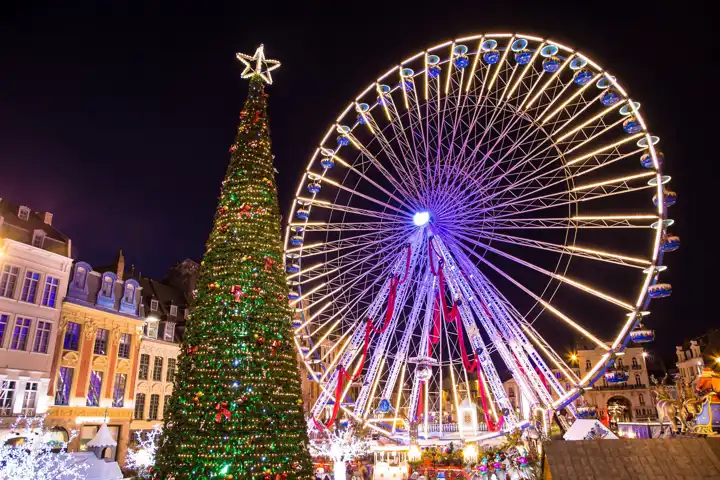
Christmas Markets
Discover a few of our favorite lesser-known Christmas Markets in France, Belgium & Germany.
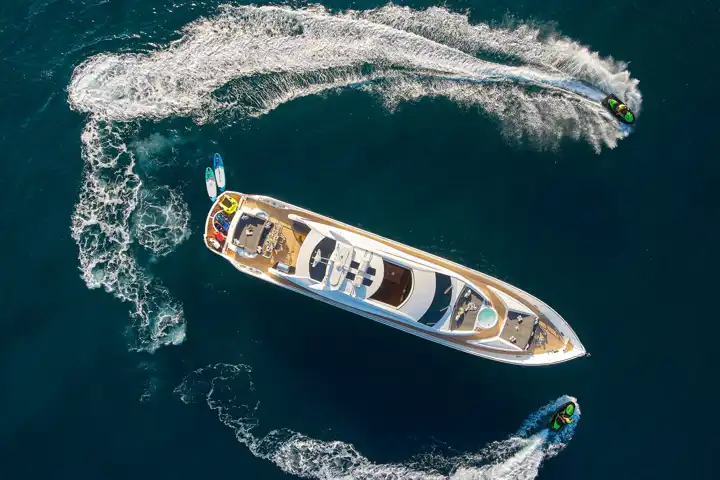
Best Yachts in Croatia
Ker & Downey names some of our favorite yachts in Croatia for island hopping around the Dalmatian Islands. Find the perfect luxury yacht charter for your Croatia journey.
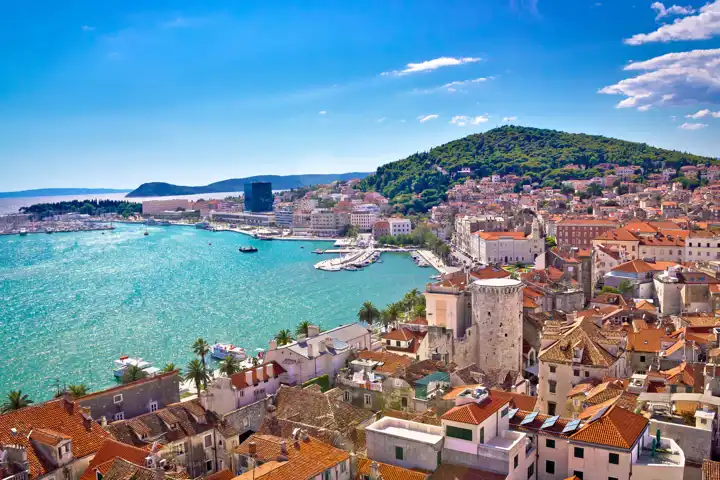
Destinations to Combine with Croatia
Here are five destinations to combine with Croatia for one unforgettable trip.
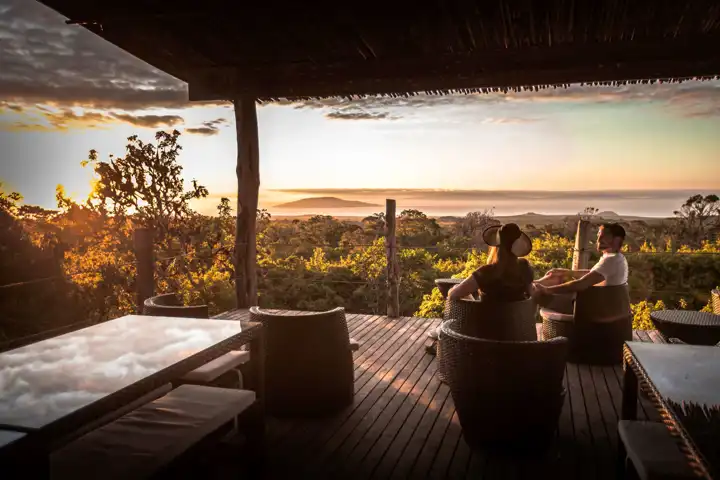
Galápagos Safari Camp
A few reasons why Galápagos Safari Camp continues to be one of Ker & Downey’s favorite Galápagos experiences.

Casa Grande Hotel
At once charming and chaotic, exploring La Paz can take your breath away. So too will the inspiring confines of Casa Grande Hotel located in the capital city.
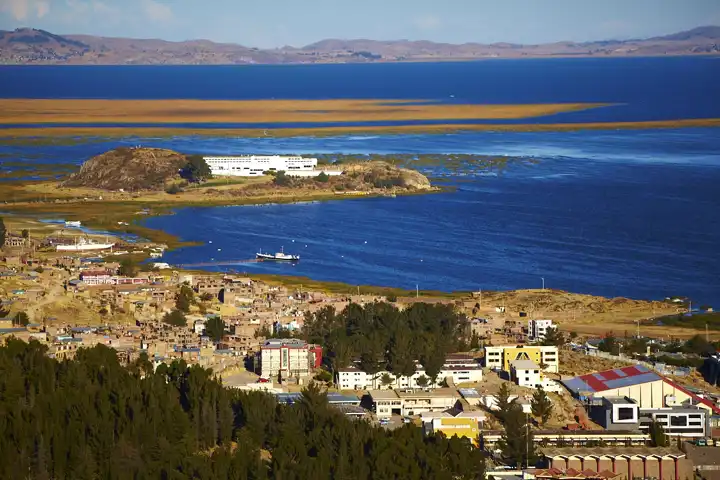
GHL Hotel Lago Titicaca
GHL Hotel Lago Titicaca rests on the shore of Lake Titicaca just five minutes away from Puno. It is therefore ideally located to explore the surrounding region and the Uros Islands nearby.
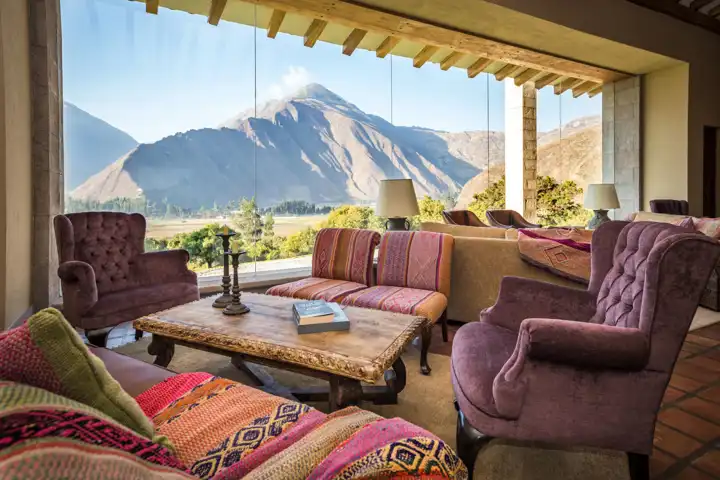
Inkaterra Hacienda Urubamba
Surrounded by 100 acres with mountains towering behind, Inkaterra Hacienda Urubamba is located in the Sacred Valley of the Incas in between Cusco and Machu Picchu.
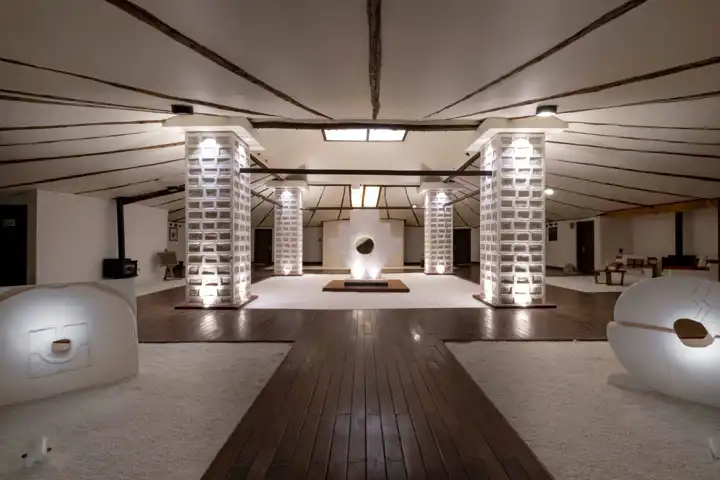
Palacio de Sal
Palacio de Sal Hotel is built entirely out of salt, in perfect harmony with the surreal landscape of Uyuni.
A History of Ker & Downey
What’s in a name? Well…a lot actually. For Ker & Downey, there’s over 70 years of history behind our name.
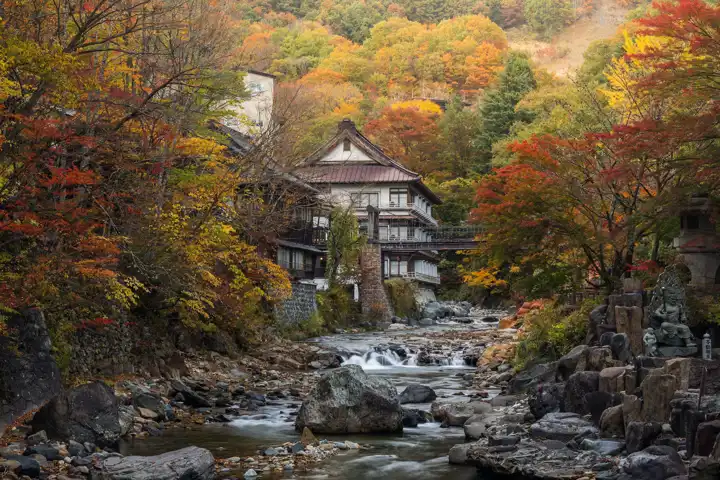
Best Time to Travel to Japan
The best time to travel to Japan depends a lot on what you want to see and do. Here's what you should consider for the seasons in Japan.
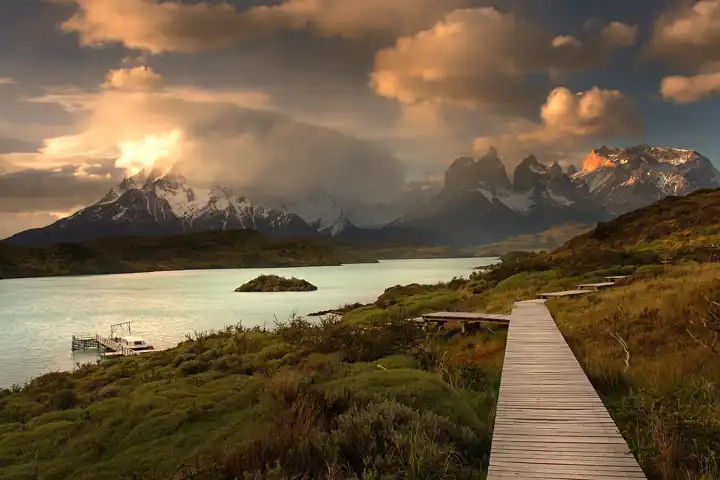
Where to Travel in 2023
Ker & Downey's top seven go-to destinations for 2023. Our picks take you off the beaten path and to all corners of the world so you can explore more.

International Travel Checklist For Your Next Trip Abroad
Here is Ker & Downey’s international travel checklist to make sure you are ready to travel overseas.
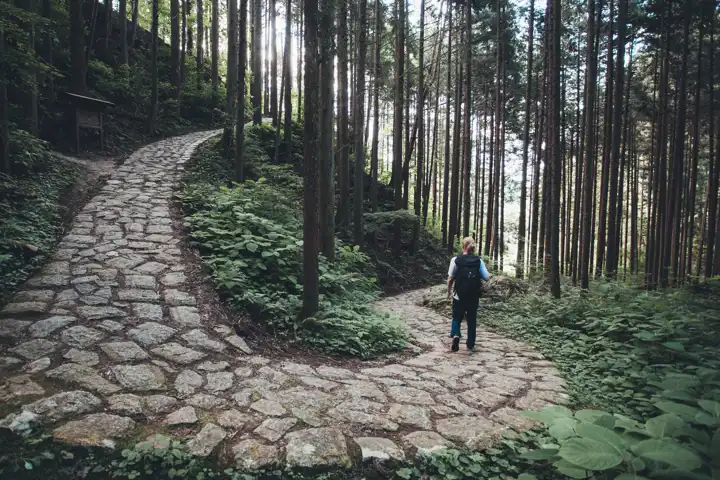
6 of the Best Hikes in the World
Hiking is unquestionably a great way to explore the world. With so much of the world to see, where do you start? We’ve narrowed it down to six of the best hikes in the world.
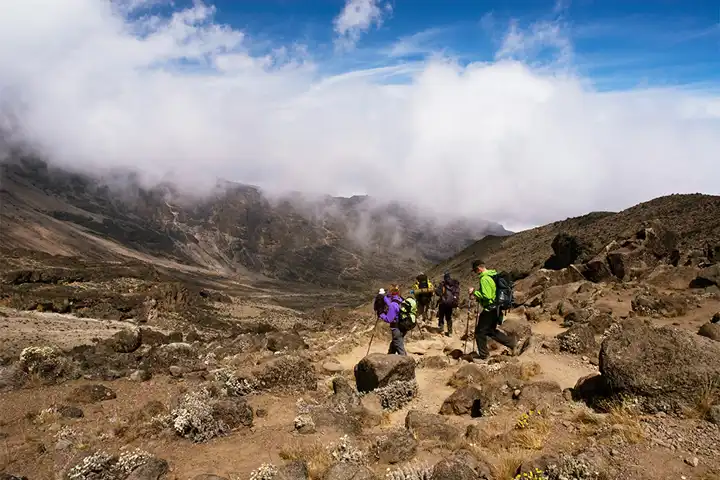
The Best Treks in the World
Trekking is thrilling, strenuous, and sometime adrenaline-pumping. It is not adventure light. For the truly adventurous, we’ve gathered six of the best treks in the world.
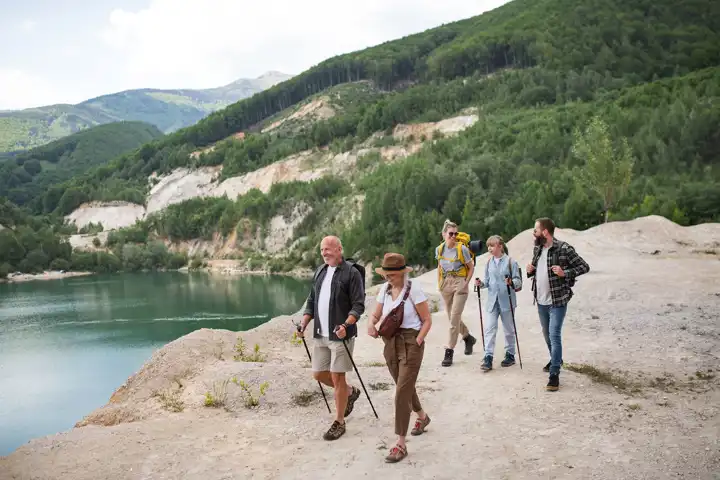
Multigenerational Travel: 8 Places to Please Everyone
We’ve rounded up some of our top spots each member of your family will enjoy. Here are eight of our favorite places for luxury multigenerational travel.
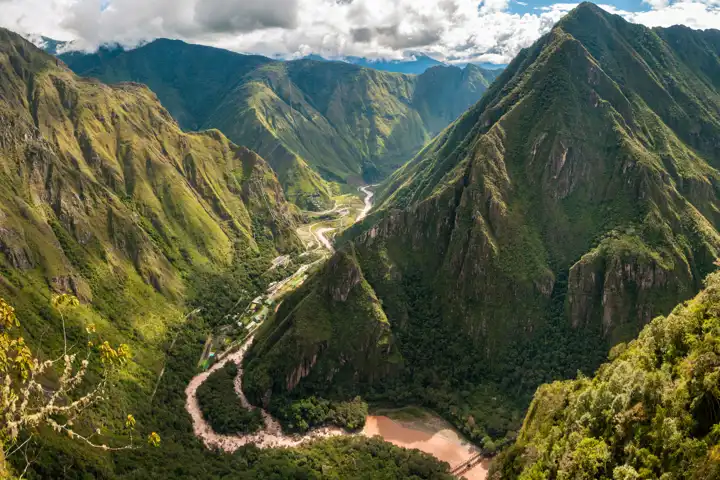
Secrets of Peru
Ker & Downey’s Director of Marketing shares her secrets of Peru and her favorite “off the beaten path” experiences you can do beyond Machu Picchu.
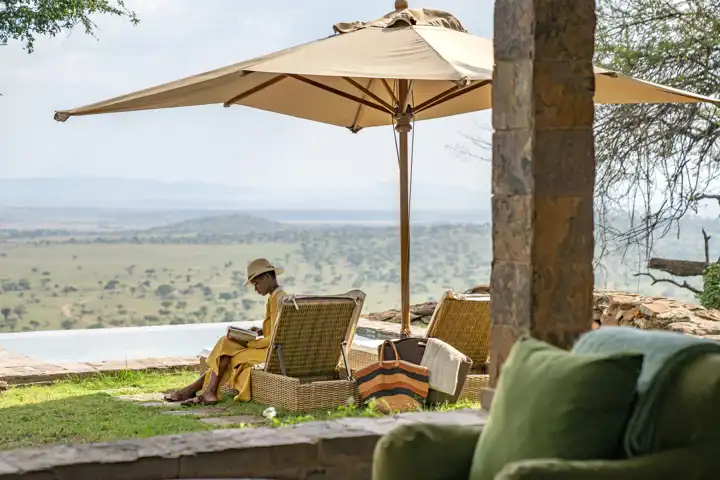
What you can expect for travel in 2022 and 2023
We share our thoughts on travel trends for some of our most popular destinations for 2022 and 2023.
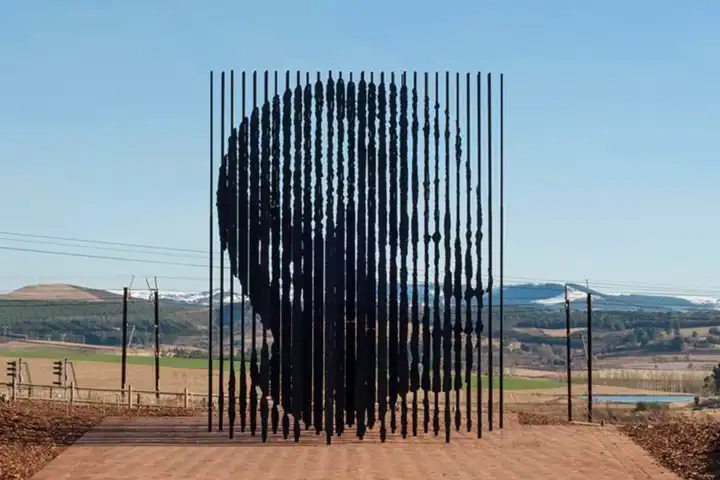
South Africa’s Most Famous 20th-Century Historical Sites and Where to See Them
South African apartheid created a storied past of both struggle and triumph. We share South Africa’s most famous 20th-century historical sites and where to see them.
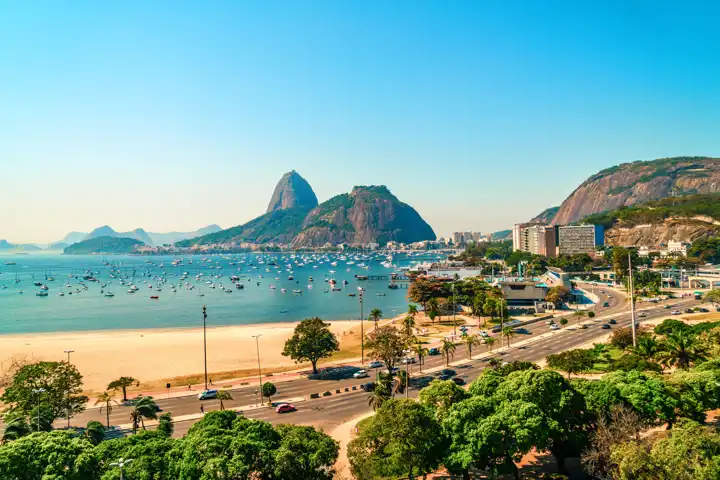
Where To Go in Latin America
Latin America is having a moment. With its variety of offerings, you may find it difficult to decide where to go. Here are a Ker & Downey's top picks in Latin America right now.
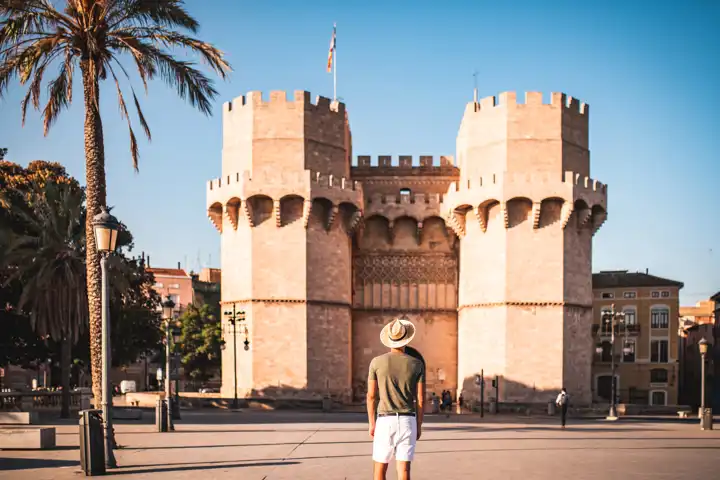
8 Popular Travel Destinations and Where You Should Go Instead
There’s a reason travel destinations are popular. While they are beloved by many travelers, they are getting harder to access or have become overcrowded. Try these spots instead.
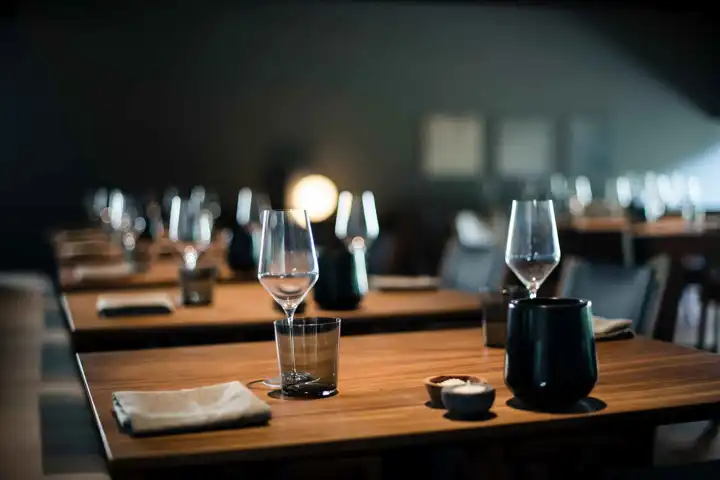
Best Restaurants in Latin America
See which of the best restaurants in Latin America made the World’s 50 Best Restaurant list and why you should grab a seat at one of these coveted tables.
Conservation at its Core
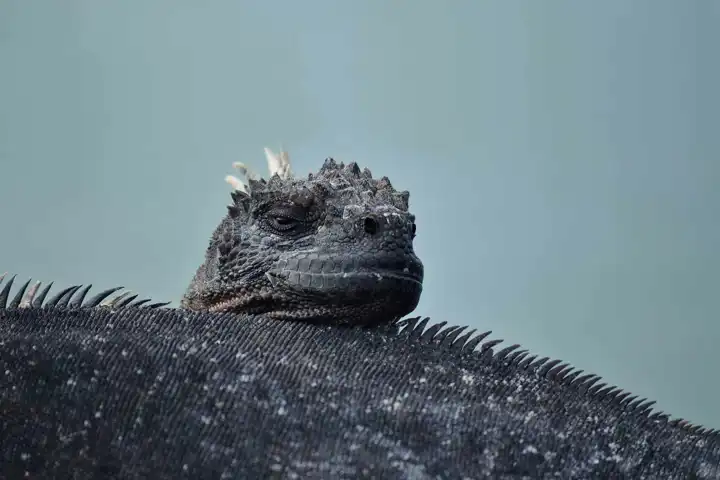
Discover Latin America's trailblazing conservation efforts, from breeding Andean condors in Ecuador to expanding the Galapagos Marine Reserve. Learn how communities, governments, and eco-lodges are safeguarding biodiversity and promoting sustainable tourism across the region.
Egypt’s Grand Return
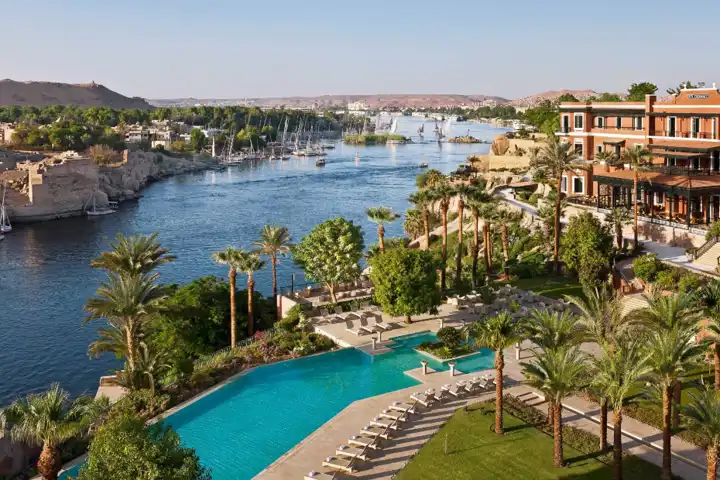
Egypt is experiencing its grand return to tourism’s world stage. Experience the best the country has to offer with private travel to Egypt.
Costa Rica: 2021 Earthshot Prize Winner
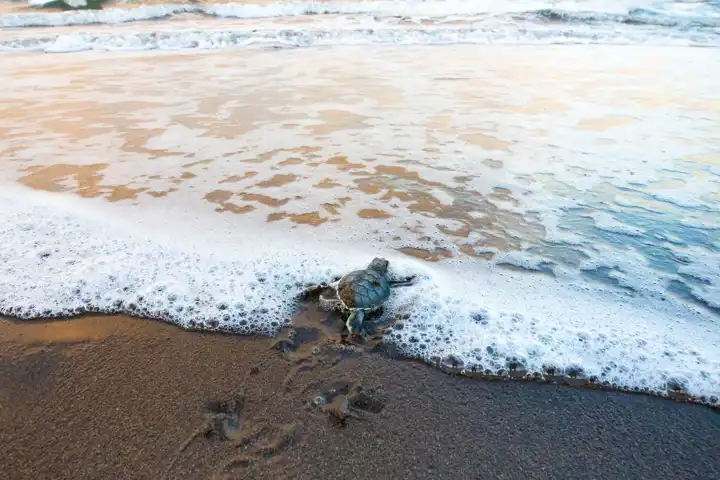
Costa Rica was recently named among the first-ever Earthshot Prize winners. Learn why its small size packs a powerful punch.
Encanto: Colombia Travel Guide
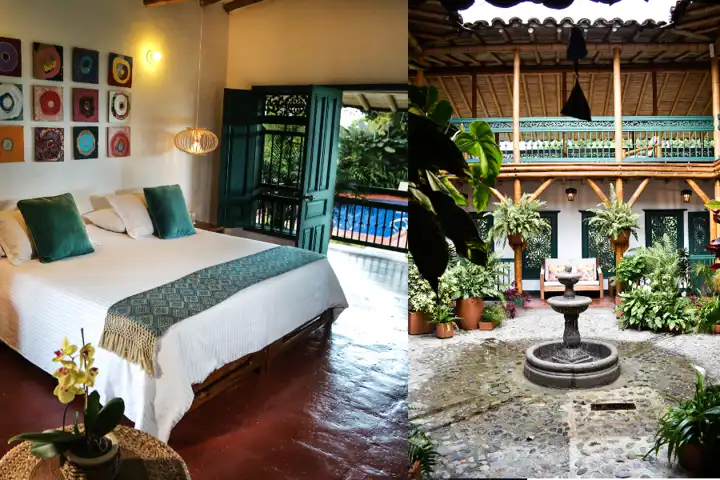
Experience “Colombia, Mi Encanto” like never before with Ker & Downey.
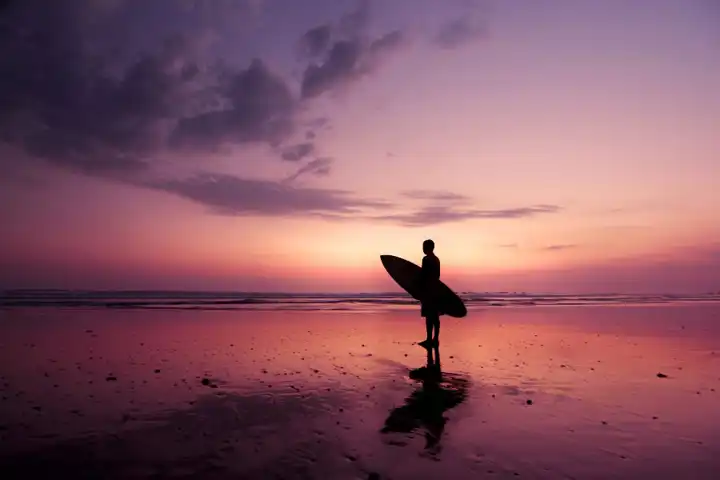
5 Quick Getaways from the States
Need a vacation but strapped for time? We hear you. Here are five quick getaways from the States, all seven days or less.
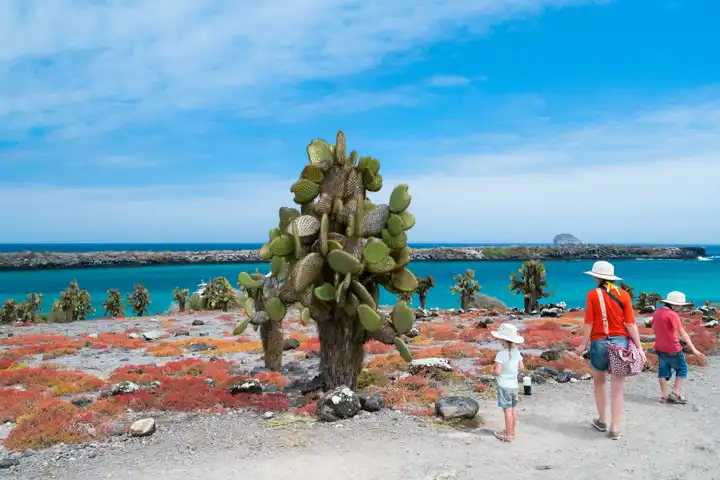
Family Bucketlist Travel
Whether you’re a parent or grand-parent, there is always time to make plans for your future that involve traveling with the entire family.
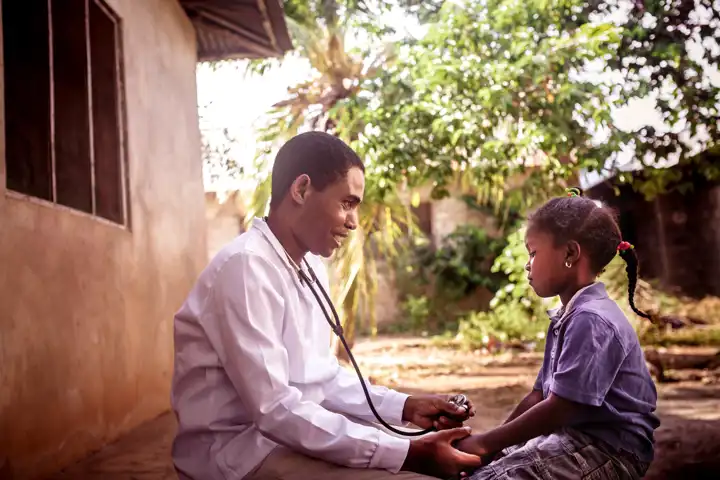
End Malaria For Good – An Opportunity
A letter from Ker & Downey President, David Marek on our latest efforts to help the people of Uganda.
2022 Travel Outlook
Ker & Downey President David Marek shares his 2022 travel outlook.

The Happiest Places on Earth
What are the happiest places on earth? We polled our staff to see what they believe are the happiest places on earth based on their travels.
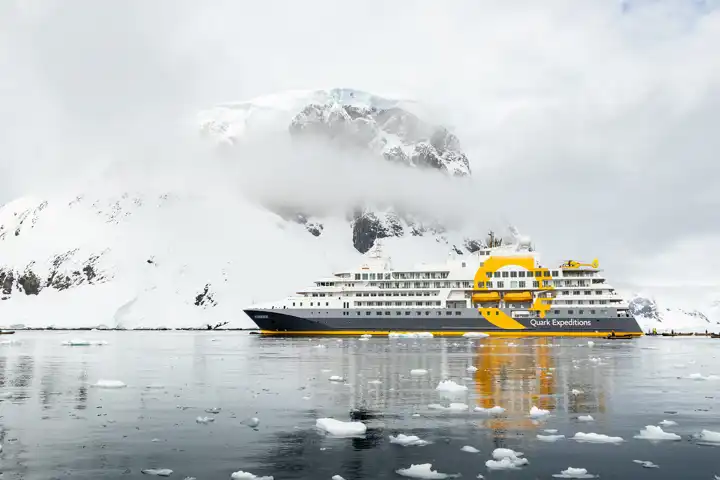
Ultramarine
A next-generation polar vessel, the Ultramarine elevates the luxury cruise in Antarctica and the Arctic to new heights of luxury and adventure.
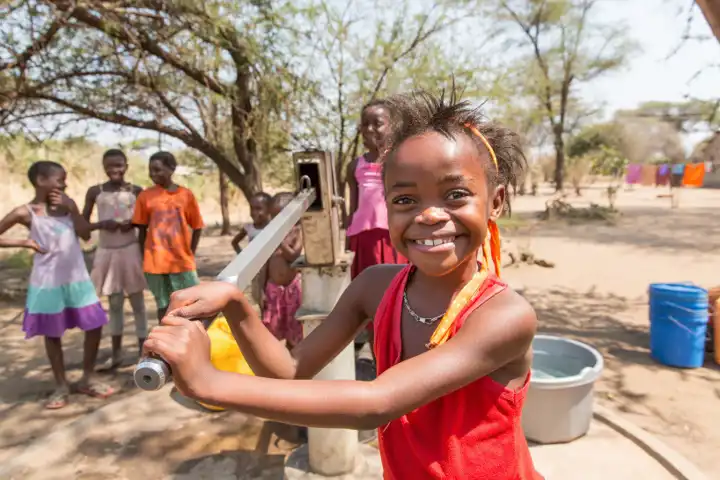
No Man is an Island
Here’s how four of Ker & Downey's partners are putting tourism dollars to work and making a difference in their communities.
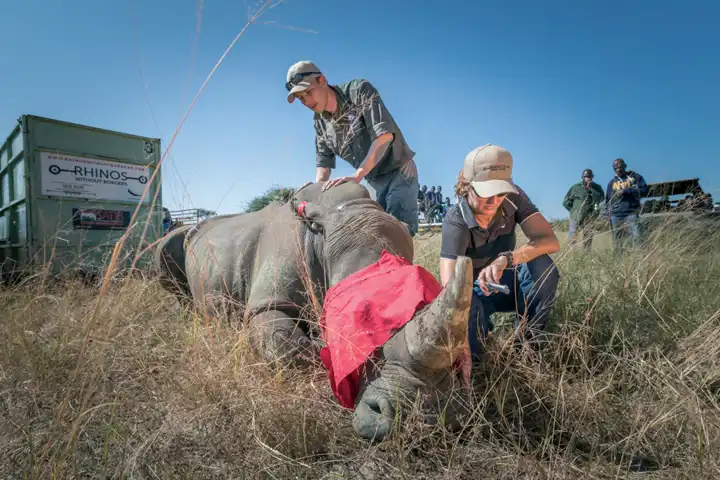
Beyond the Borders
Through Rhinos Without Borders, a new generation of rhinos are providing hope for the future of the species in Southern Africa.
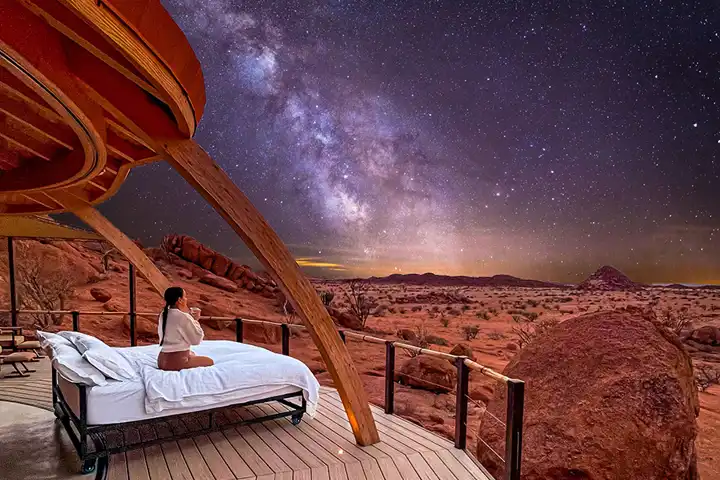
Onduli Ridge
Damaraland’s Onduli Ridge sits perfectly poised for tracking desert-adapted wildlife and taking in the country’s stunning natural beauty.

Gifts that Give Back
Our picks for gifts that give back. Give with a purpose this season.
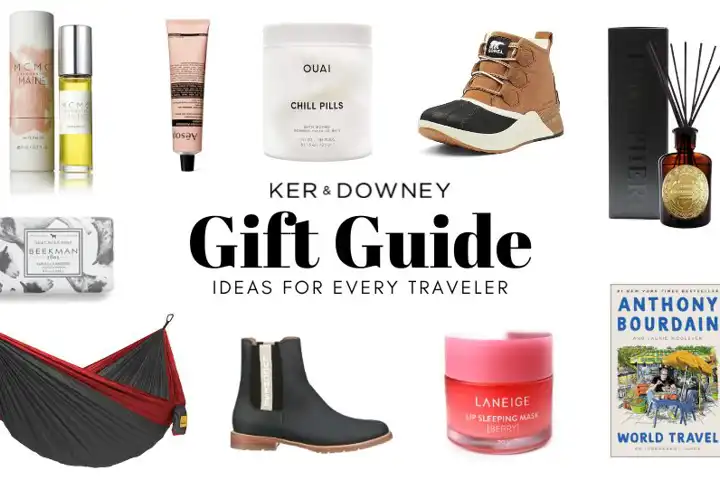
Our Favorite Things - A Holiday Gift Guide
Ker & Downey's travel gift guide, curated by our staff. Here are the most coveted items on our staff's Christmas lists this year.
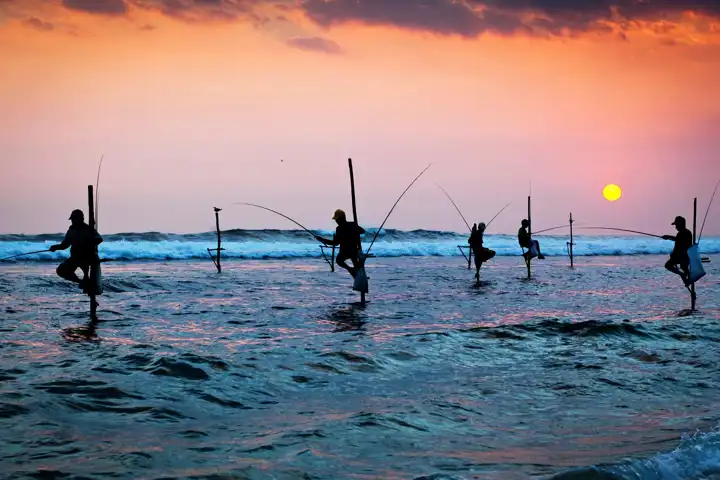
Best Places to Travel in 2022, by Month
Get your calendars open and start making travel plans. Here are the best places to travel in 2022 by month.
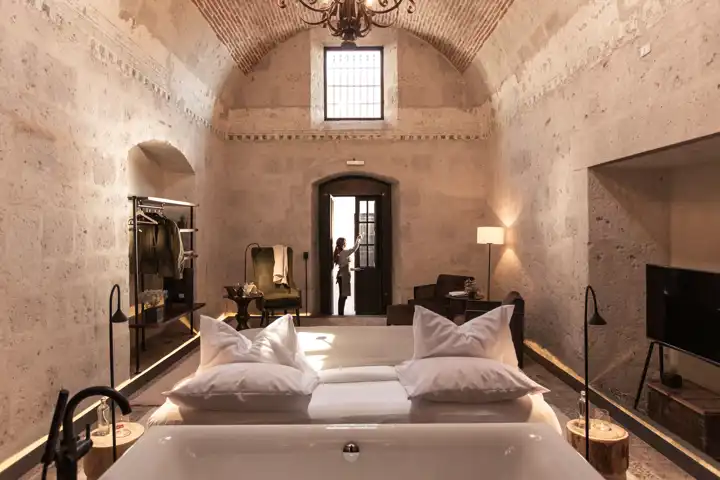
Cirqa
Recharge and refresh in Arequipa at Cirqa, a revival of the original parador, from the geniuses behind Titilaka and Atemporal.
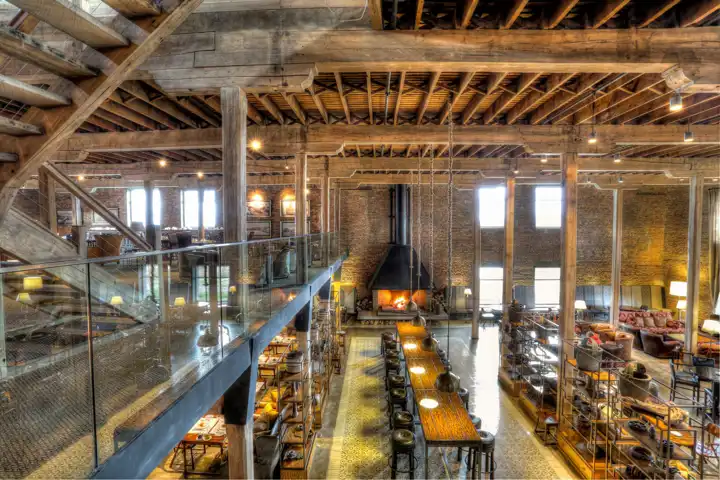
The Singular Patagonia
Established in a cold storage plant-turned-national monument, The Singular Patagonia is strategically placed at the gateway to Chile's beautiful Patagonia fjords.
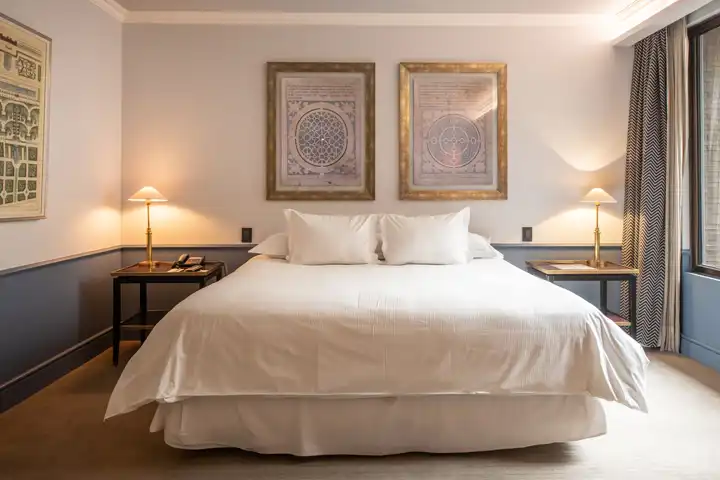
The Singular Santiago, Lastarria Hotel
The Singular Santiago represents the spirit of Chilean heritage and creativity and is an ideal property for those looking for impeccable style and uncompromising service in the country’s historic capital.

5 Worldwide Festivals and Events to Travel For
Festivals and events give great insight into a community and culture. These are the festivals and events worth traveling for.
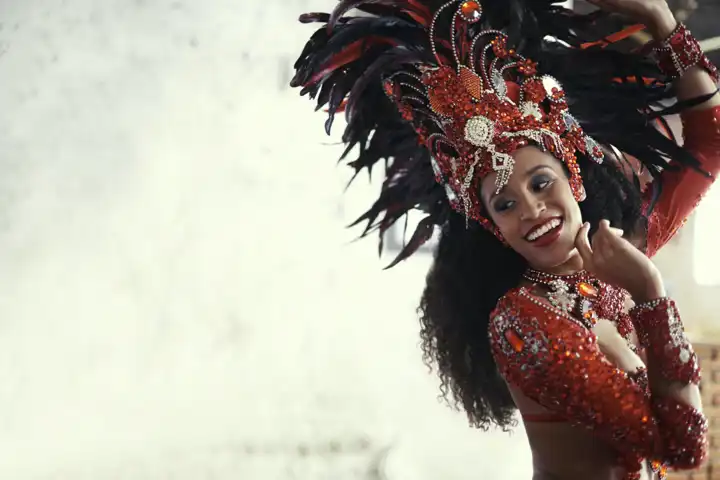
The Best Festivals and Events Around the World
It would be impossible to list all the worldwide festivals and events. To help you plan, we’ve hand-selected a number of festivals and events you shouldn’t miss.
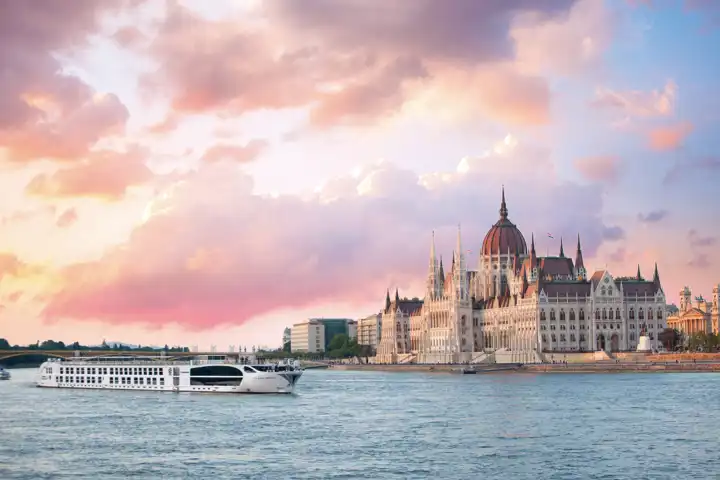
A Guide to The Great Spa Towns of Europe
Only a handful of The Great Spa Towns of Europe remain in their original form. Here are a few worth visiting for their glamorous facilities and picturesque settings.
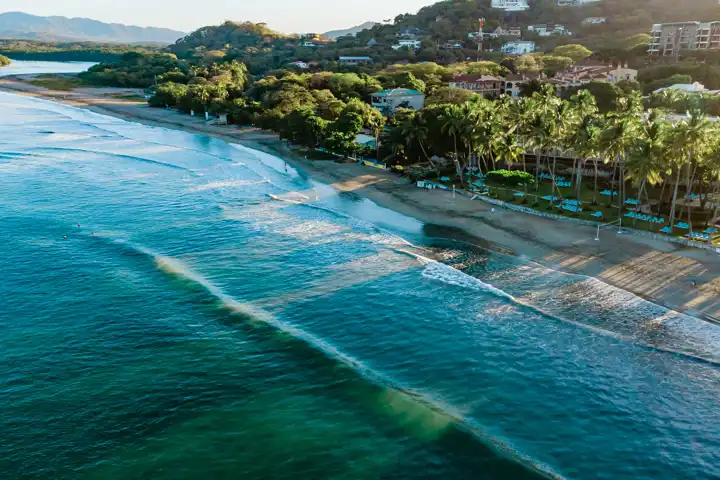
Where to Travel in December
Create lasting memories with a trip to one of the best places to travel in December.
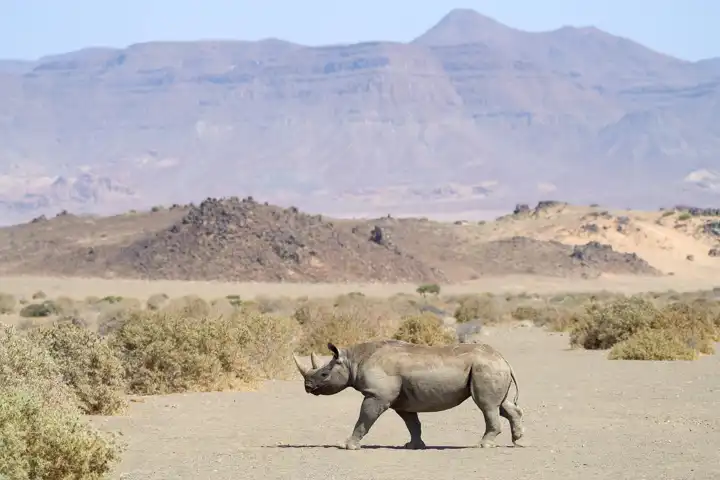
The Best Travel Experiences Around the World
We've scoured the globe to find the absolute best travel experiences around the world.
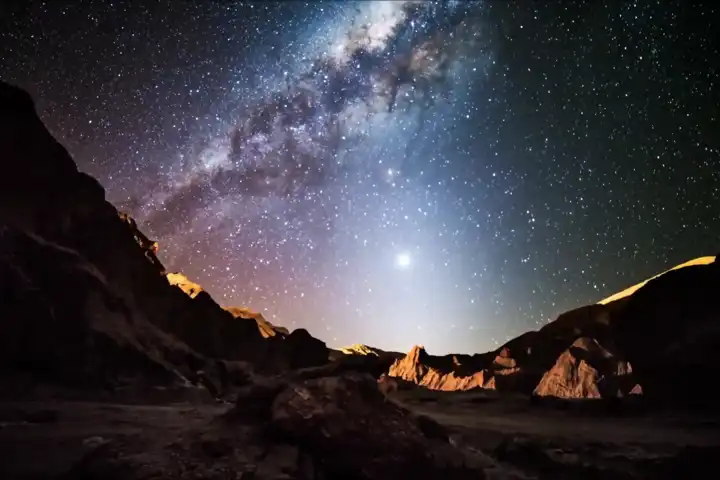
Epic Chile
Given its diverse geography, impeccable nature, and all-ages access — it’s not surprising to see why Chile is one of South America's most thrilling countries.
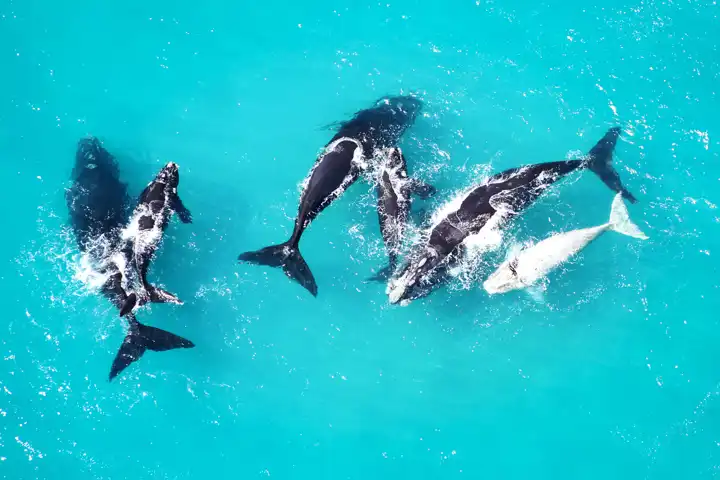
A Marine Safari in South Africa
David Marek shares his South Africa marine safari experience while at Grootbos Private Nature Reserve with his Ker & Downey small group tour.
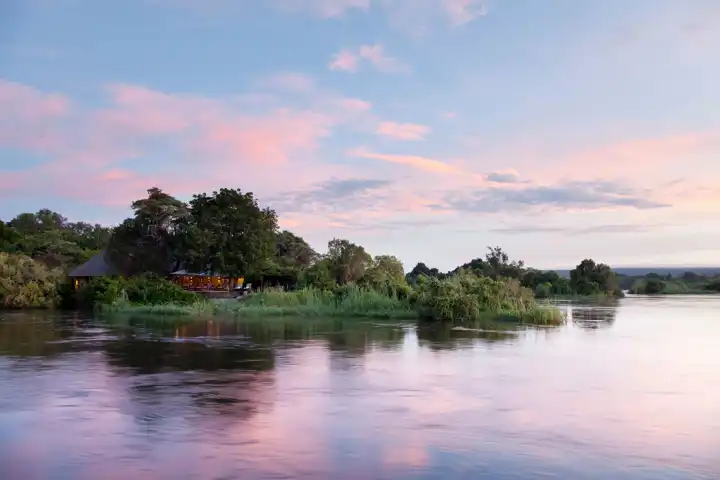
Royal Chundu Island Lodge
Experience Royal Chundu Island Lodge, a luxury safari camp on the Zambezi River, with Ker & Downey luxury safaris to Zambia.
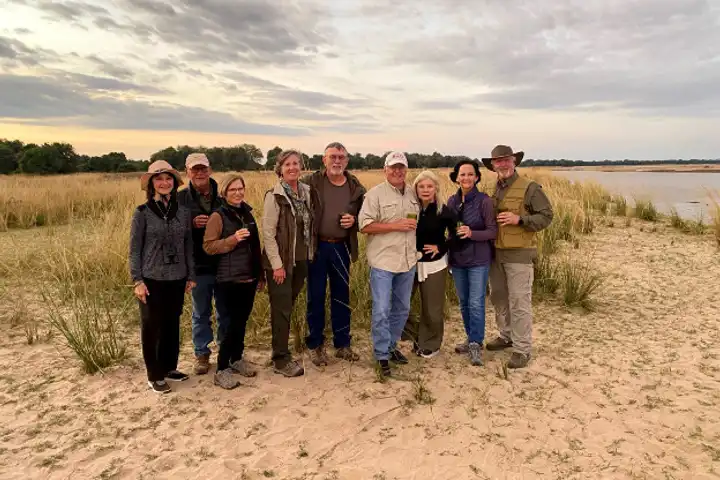
A Southern Africa Luxury Safari with Friends
Ker & Downey President David Marek reflects on his luxury safari with friends to Zambia and South Africa during the COVID-19 pandemic.
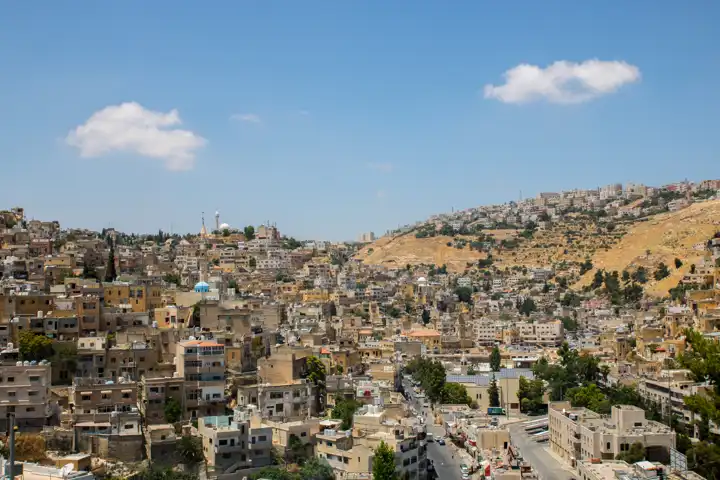
The Newest UNESCO World Heritage Sites You Need To See
UNESCO adds 33 spots to the list of World Heritage Sites in 2021. These are the newest UNESCO World Heritage Sites you need to see.

Gather Around the Table: The Best Foodie Experiences in South Korea
From traditional street food to royal court cuisine, these are the best Korean foodie travel experiences in South Korea.
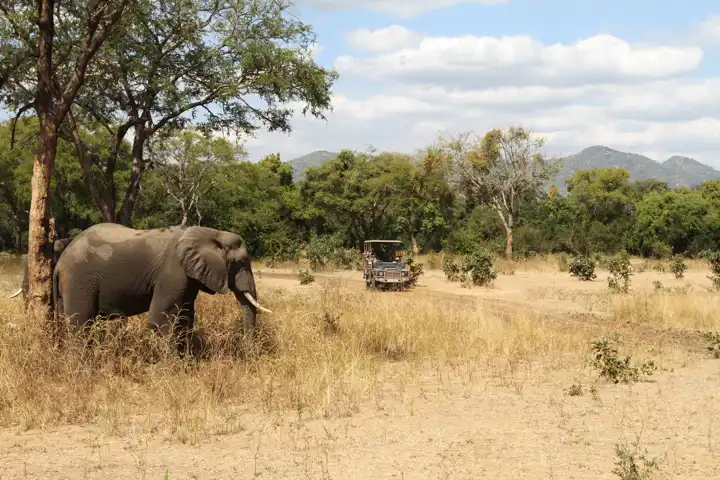
On Safari in Zambia: Picture Perfect
Ker & Downey president David Marek shares his favorite pictures from his most recent trip to the wilds of Zambia.
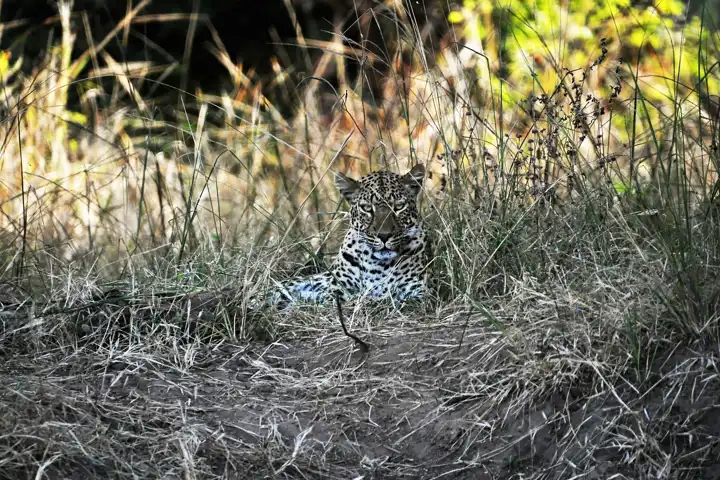
South Africa and Zambia Safari: Our Trip to Africa
A South Africa and Zambia safari with Ker & Downey starting in Zambia's national parks and ending with a South Africa safari of note.

One&Only Portonovi
With One&Only Portonovi, a new era of luxury in the Balkans begins.
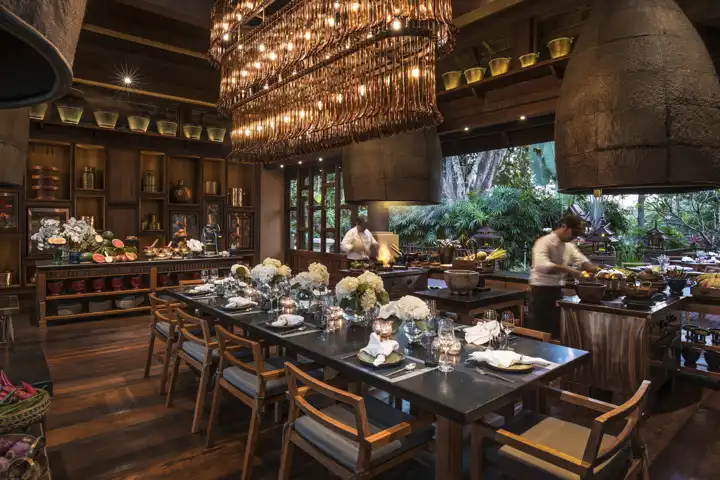
Farm to Table
Enjoy a fresh escape at some of our favorite farm to table destinations around the world.
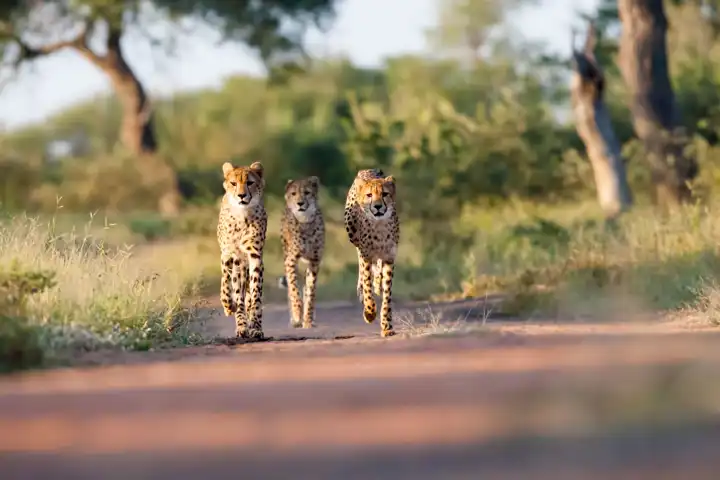
Kruger Safari: Everything you Need to Know
A Kruger safari is a bucket-list trip for many people. Beginning, middle, or end - it’s sure to be a highlight on your itinerary. Here’s everything you need to know about a Kruger safari.
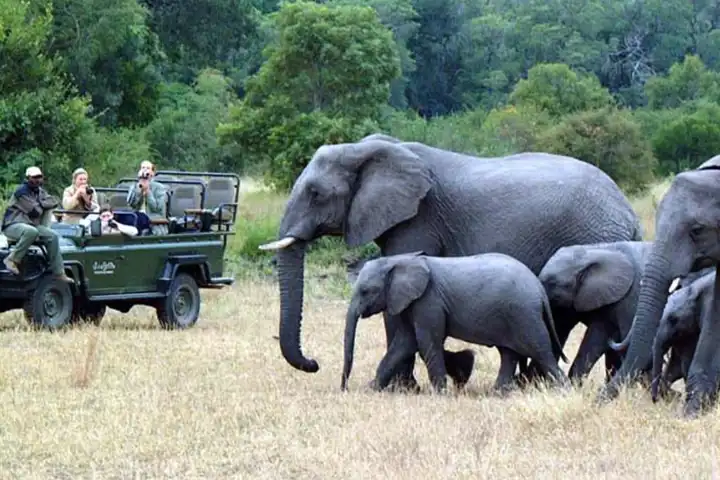
South African Safari for the Family: Our Top 5 Picks
After 25-plus years of planning and perfecting, we are finally sharing our top five picks for the perfect South African safari for the family.
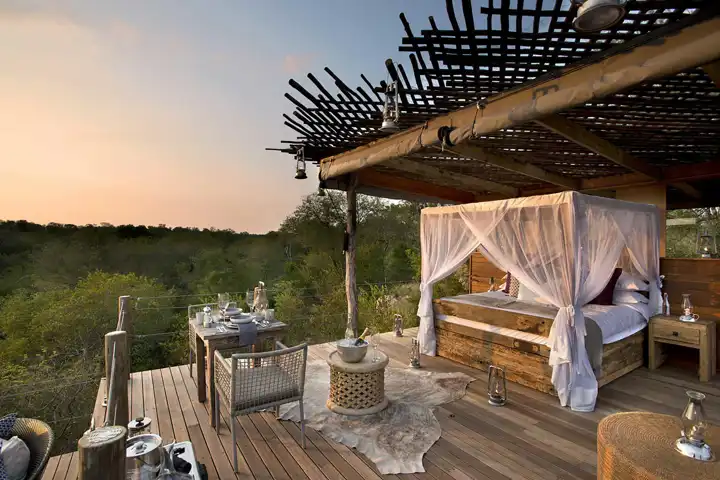
South African Safari Travel Diary: Lion Sands Game Reserve
Ker & Downey Designer Nicole shares what makes Lion Sands Game Reserve such a unique and unparalleled South African safari travel destination.
Summer Travel Questions
We are answering your most asked questions about summer travel.
The Pharaohs’ Golden Parade
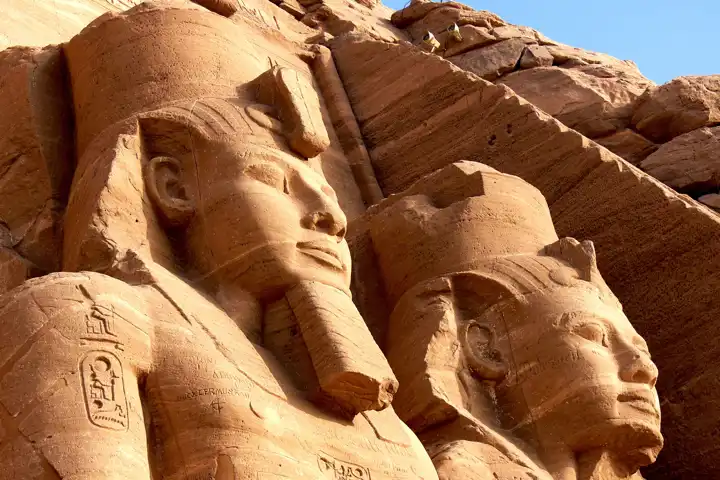
The Pharaohs’ Golden Parade was one for the ages.
Your South African Safari Guide
This South African safari guide lays out some of the important questions to ask yourself as you are planning your safari.
Favorite Africa Trips from the Ker & Downey Experts
We asked our staff to share their favorite Africa trips.
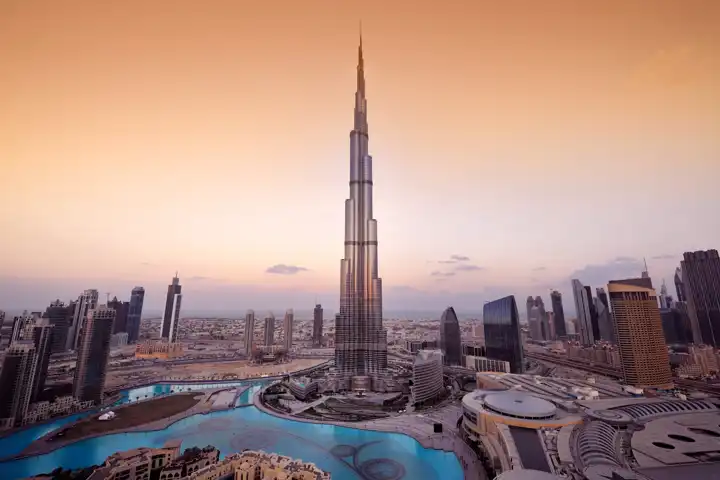
Layover Dubai
There's no shortage of things to see in this glittering city in the sand.
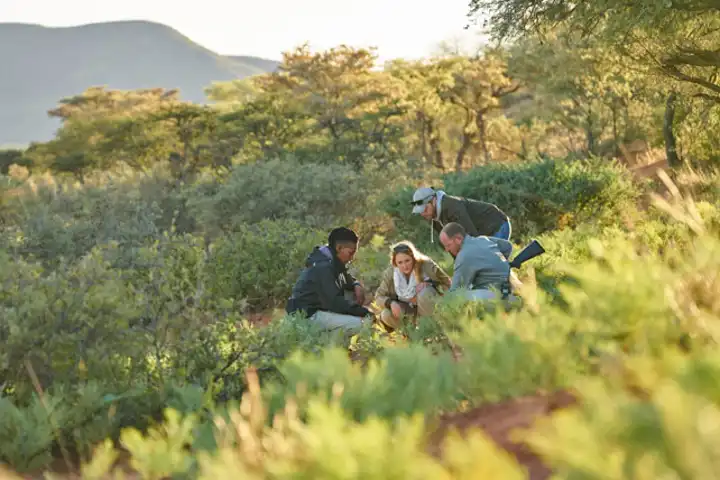
Planning a Graduation? Celebrate Your Grad with a Safari
Whether starting a new chapter away from home or entering into the workforce, nothing says, “Congratulations” quite like an epic graduation safari.
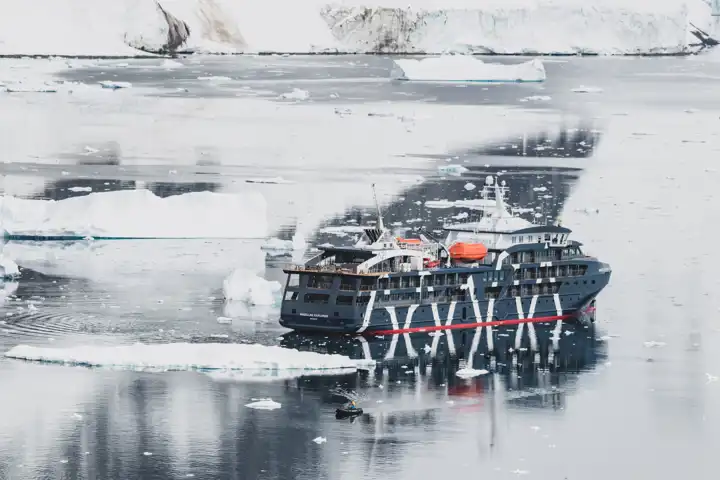
Magellan Explorer
The Magellan Explorer is a state-of-the-art expedition vessel, specially designed to immerse a maximum of 73 passengers into the wonders of Antarctica.
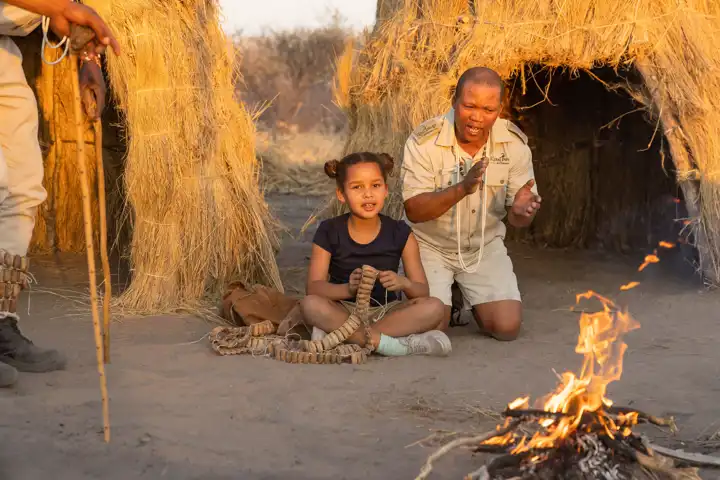
Top Luxury Family Travel Destinations for Spring Break
Ker & Downey’s top luxury family travel destinations for Spring Break are a respite from busy lives and give you a chance to experience the world through fresh eyes.
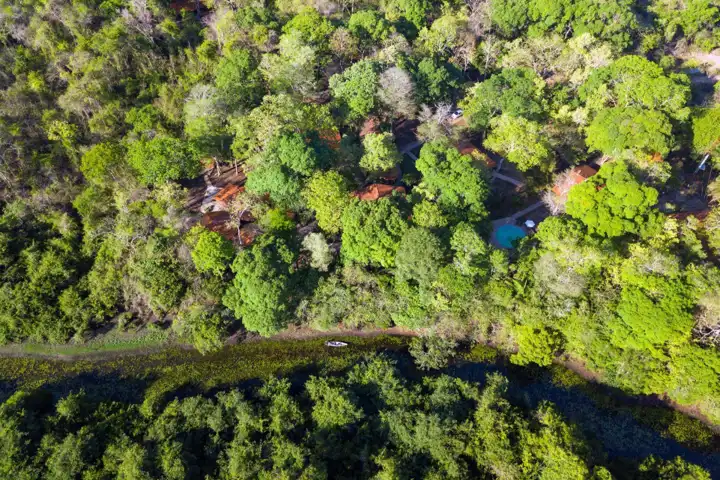
Aymara Lodge
Whether you're a wildlife enthusiast, bird watcher, or someone seeking a tranquil escape in nature, Aymara Lodge promises an authentic and unforgettable adventure in the heart of North Pantanal.
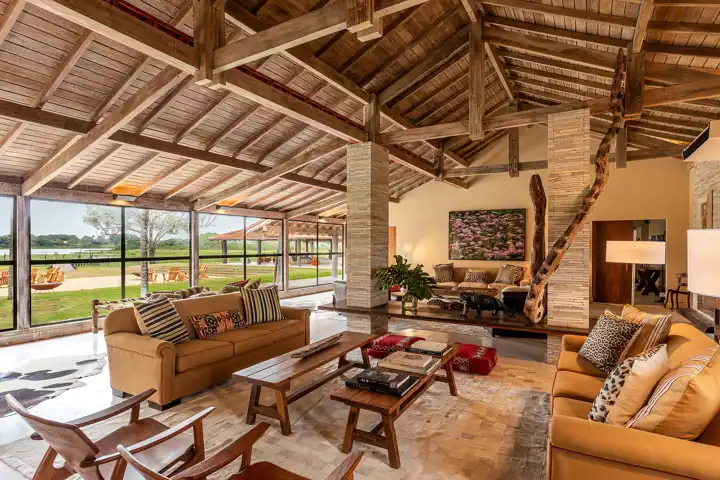
Caiman Lodge
Part conservation project, part cattle farm, and part ecotourism lodge, Caiman Lodge brings visitors as close as possible to Pantanal’s nature and culture, from the hyacinth macaw to the elusive jaguar.
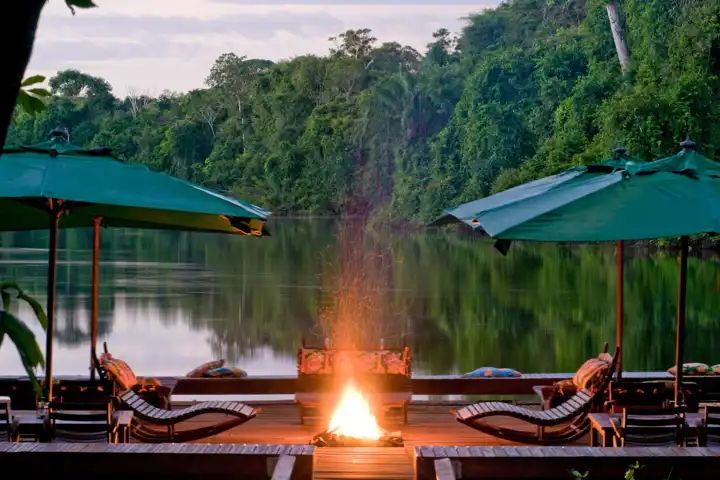
Cristalino Jungle Lodge
Nestled in the southern Amazon next to a peaceful river, the Cristalino Jungle Lodge is a secret haven where the passion for unmatched service is surpassed only by the lodge's desire to set the standard in conservation and sustainable tourism.
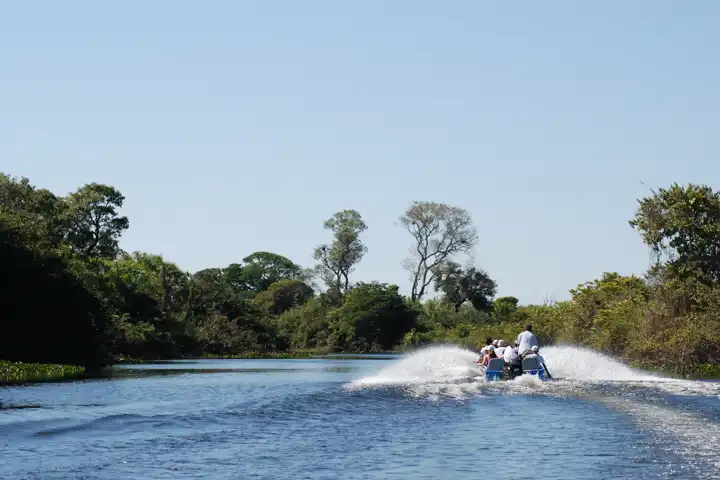
Hotel Pantanal Norte
Situated on the edge of the pristine Pantanal wetlands in Porto Jofre, Hotel Pantanal Norte beckons nature enthusiasts to the ultimate wildlife haven in Brazil -- the jaguar capital of the Americas.

Hotel Unique
With its prime location, distinctive architecture, avant-garde decor, and top-notch amenities, Hotel Unique stands as a beacon of sophistication in São Paulo.
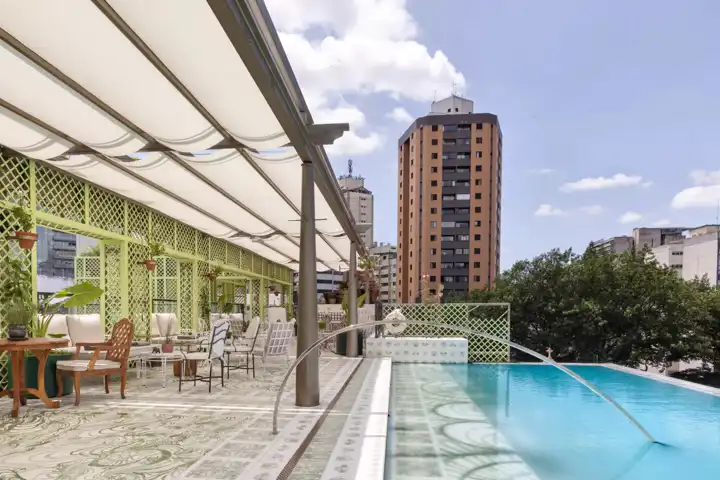
Rosewood São Paolo
Set in a historic 1904 building that was formerly a maternity hospital, Rosewood São Paulo provides an ideal launching pad for exploration with its proximity to upscale boutiques, cultural institutions, and the city's dynamic energy.
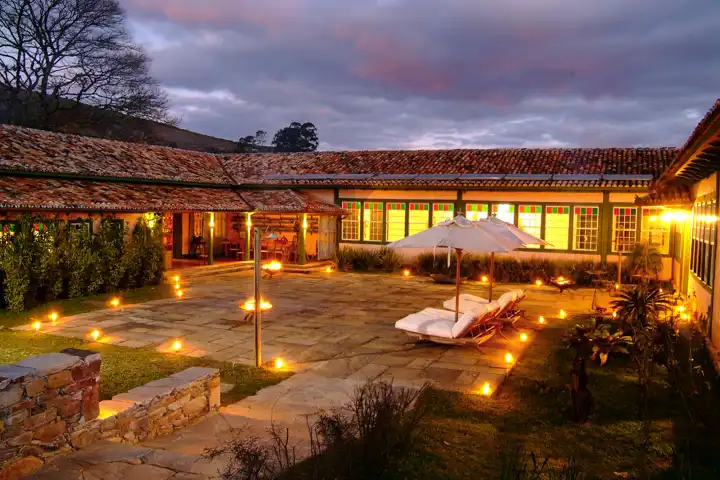
The Ibiti Project
Nature and nurture meld harmoniously at The Ibiti Project. Escape to an outstanding area blessed with waterfalls, peaks, ridges, caves, and natural pools, with artwork interspersed throughout. This is one place you have to see to believe.
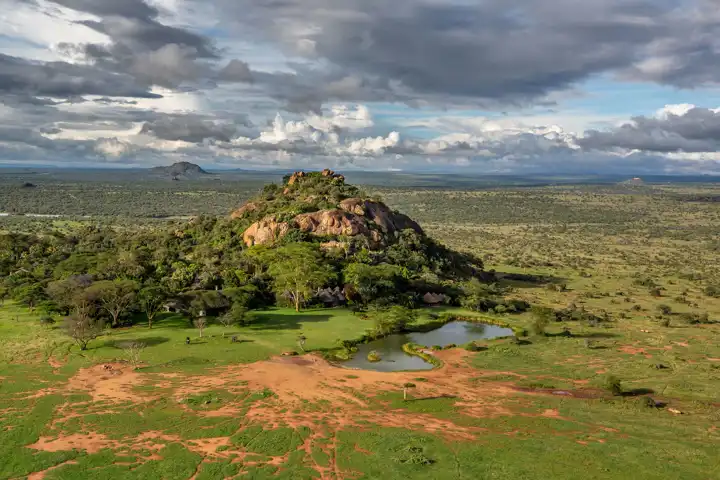
Sustainable Properties in Kenya
Environmentally conscious travelers rejoice in Kenya's sustainable camps and lodges. Enjoy an eco-friendly journey to Africa!
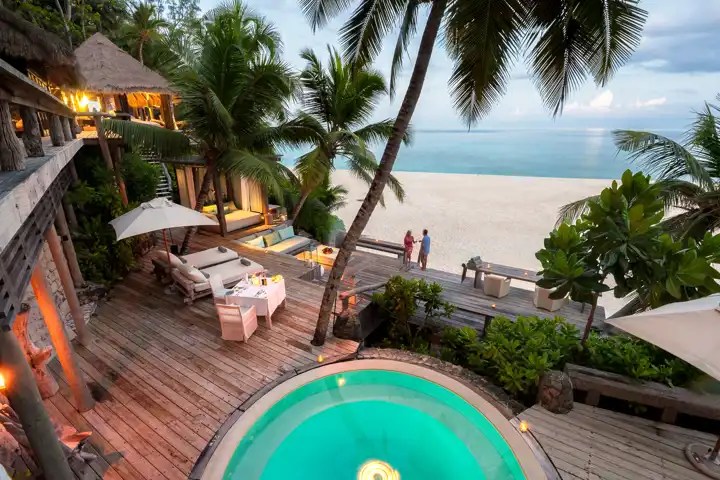
The Best Places to Spend Your Babymoon
Our destination specialists can help you plan your getaway for two before the stork arrives. Check out our favorite places to babymoon.
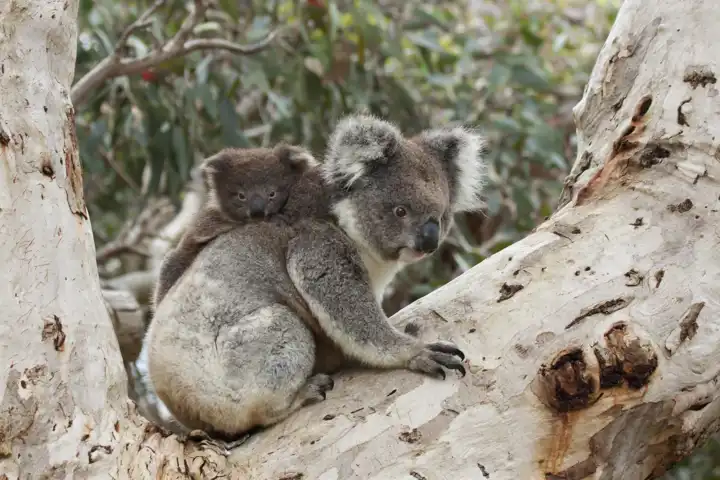
Tracking Wildlife on Mainland Australia’s East Coast
Our tips on how to track and see some of Australia's iconic wildlife on the East coast.
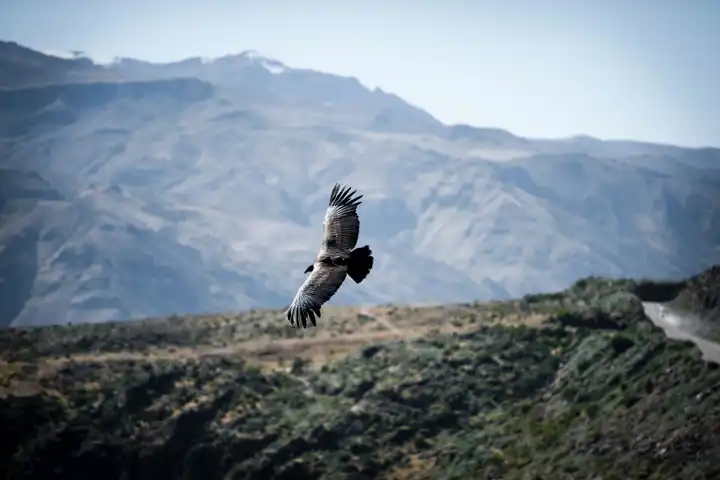
Hacienda Zuleta's Andean Condor Huasi Project
Hacienda Zuleta's Andean Condor Huasi Project is internationally known for their work in rehabilitating the Andean condors.
Ker & Downey named Travel + Leisure’s World Best Tour Operator
Ker & Downey has been named Travel +Leisure’s World Best Tour Operator in the Travel+Leisure World’s Best Awards.
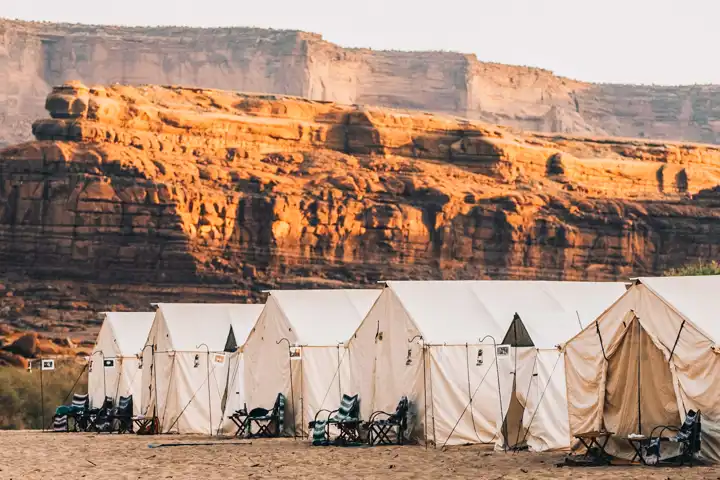
American Safari Camp
Explore the great outdoors without sacrificing luxury or comfort on an American Safari Camp adventure with Ker & Downey.
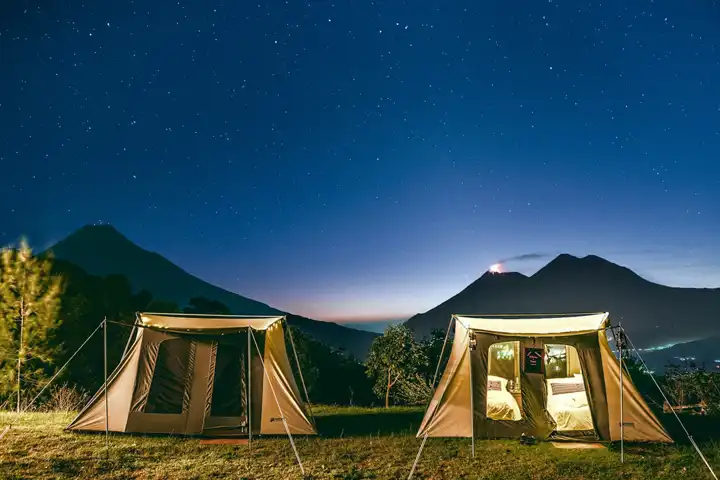
Where to Fly Camp
Here are our top 3 places to spend a night under the stars fly-camping.
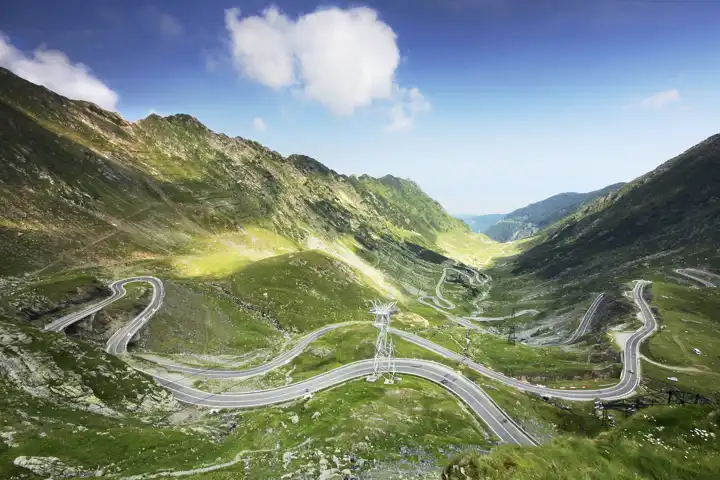
The Most Scenic Drives in the World
Get your motor running and explore the open road with Ker & Downey's list of the most scenic drives in some of the most beautiful places in the world.
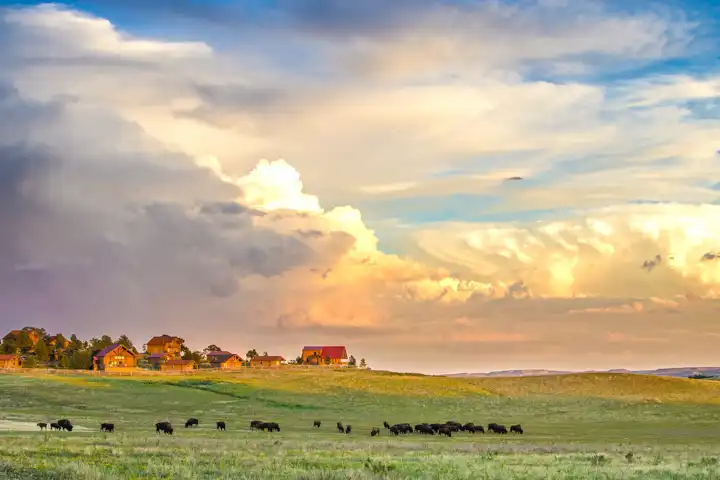
Top 8 All-American Travel Experiences
We have assembled our Top 8 All-American Travel Experiences. This is “America the Beautiful,” Ker & Downey style.
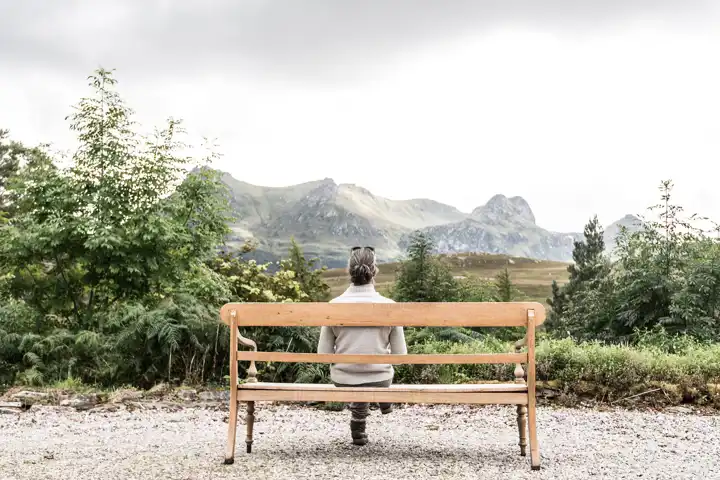
The Good Outdoors
If being outside is good for your health, then a trip to the Scottish Highlands with Ker & Downey serves up the best kind of medicine.
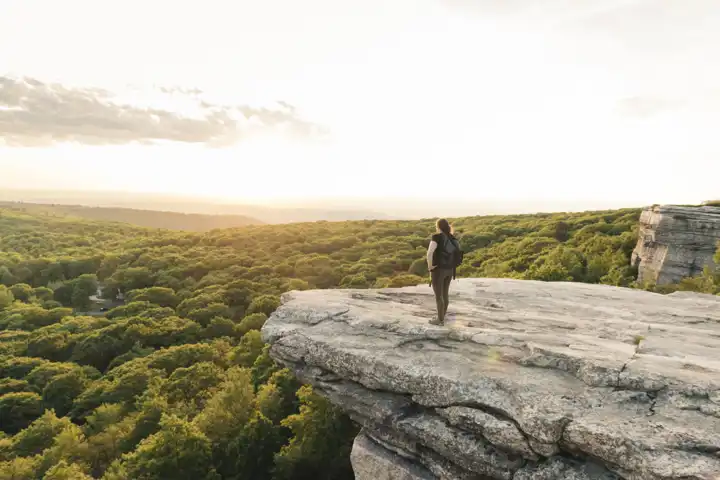
Catskills Revival
Ker & Downey designer Catherine Brown trades in international glam for a truly memorable active adventure closer to home in the Catskills.
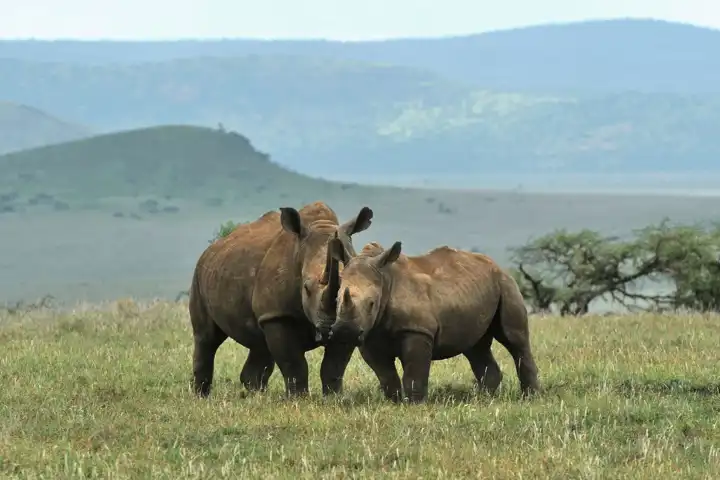
Rhino Philanthropy Project | Ker & Downey Supports Rhinos Without Borders
Ker & Downey proudly supports Rhinos Without Borders and its goal of relocating 100 rhinos from South Africa to Botswana.
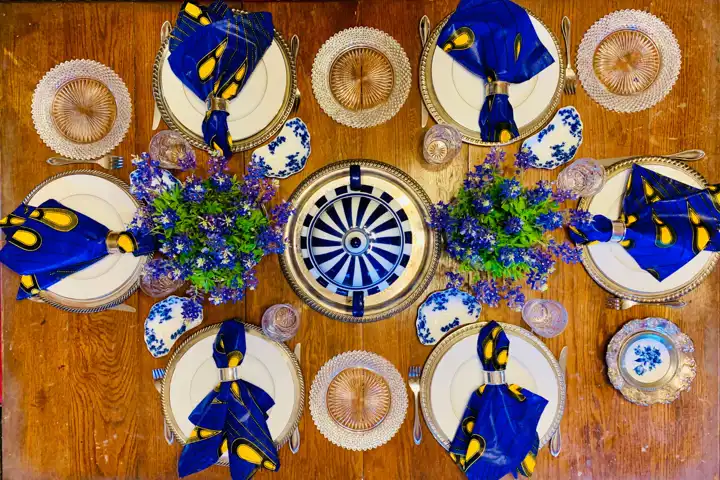
Beautiful Tablescape Ideas from Royal Chundu
Royal Chundu’s Tina Aponte shares her beautiful tablescape ideas and the importance of meaningful dining experiences.
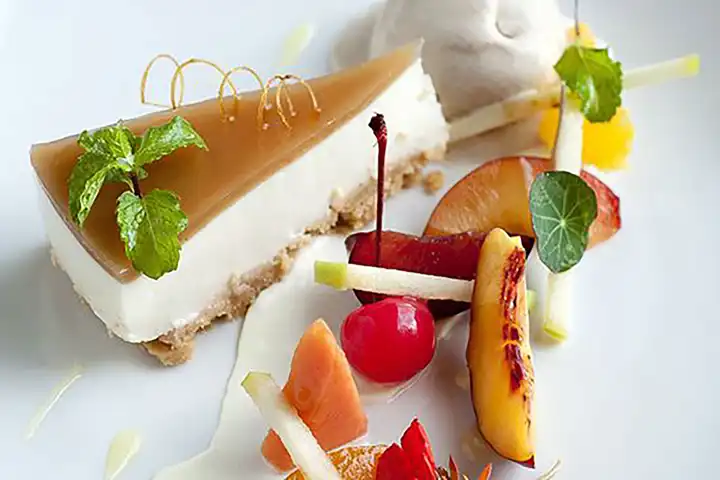
Zambia’s First Dessert
For a six-course tasting menu at Royal Chundu, inspired by the region, the lodge chefs got creative and created Zambia's first dessert.
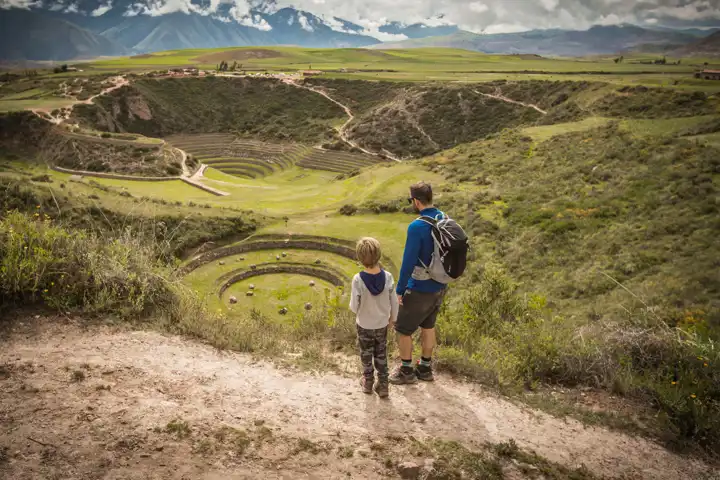
The Best Father-Son Trips
Celebrate the bond between father and son. Explore our favorite father-son trips from around the world.
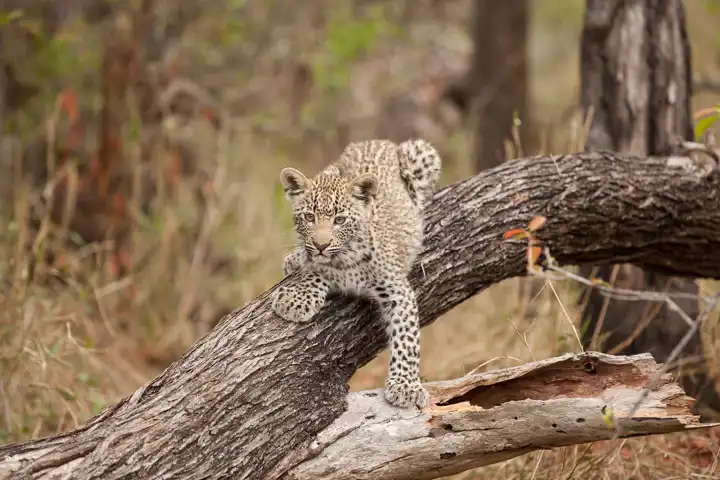
16 Jaw-Dropping African Safari Photos (And How We Captured Them)
You don’t have to be a professional photographer to get a great shot on an African safari. Sometimes, it’s just a matter of being in the right spot at the right time.
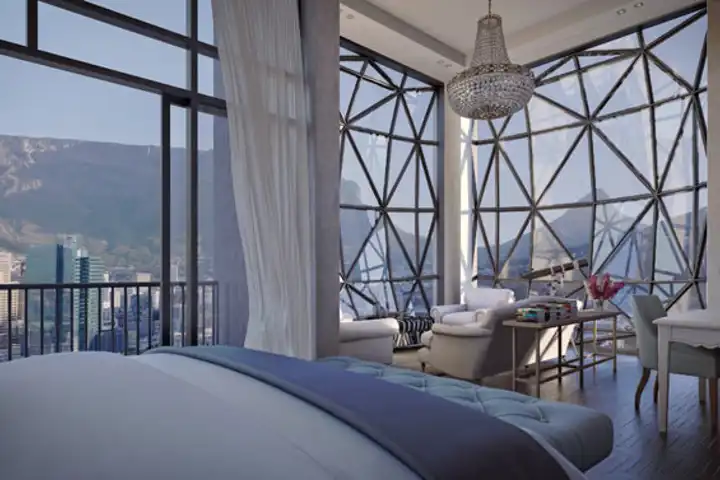
The Best Mother-Daughter Trips
There is no relationship more precious than that of a mother and a daughter. Celebrate and strengthen those bonds with our favorite mother-daughter trips.
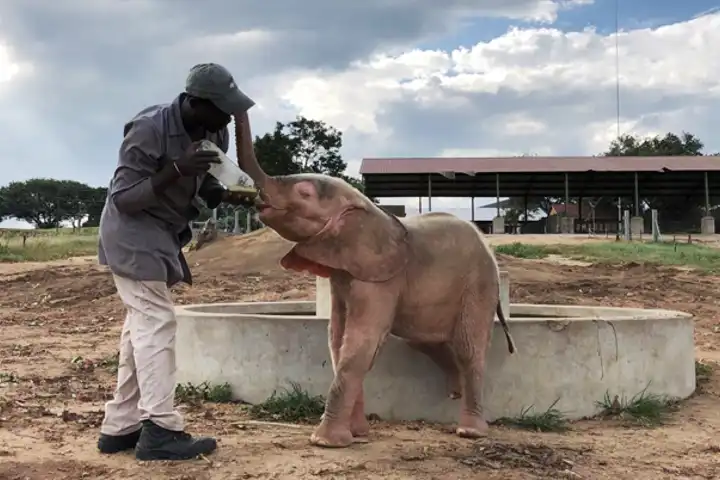
Conservation in Time of Coronavirus
Even through lockdowns and travel restrictions, these conservation champions continued their much-needed work across the globe.

Giving back, locally.
At Ker & Downey our mission remains the same, making lives better in our home, in our communities, and around the world.
Plan Your Family Christmas Vacation
Ditch the usual presents and give the most sought after gift of all — freedom to explore the world.
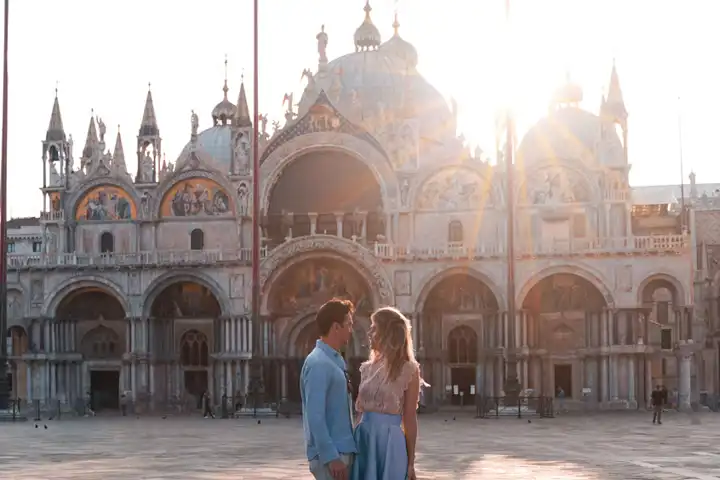
7 Trips to Book a Year in Advance
There’s nothing more thrilling than a last minute getaway. But some trips require (and deserve!) more time to plan. Here are seven trips to book a year in advance – at least!
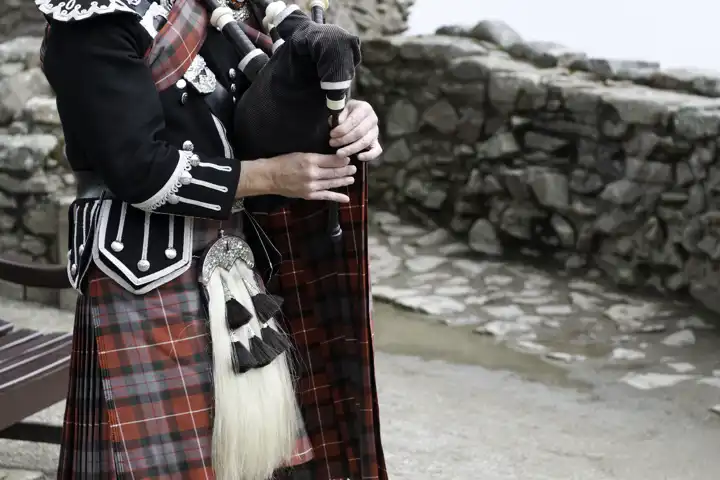
Top 7 Reasons Why Families Should Travel to Scotland and Ireland
A Scotland and Ireland family adventure with Ker & Downey showcases why these two countries are a perfect pair for all ages and interests.

The Best Travel Books to Feed Your Wanderlust
From harrowing journeys to tales of whimsy, these are the best travel books to feed your wanderlust until you can take your next adventure.
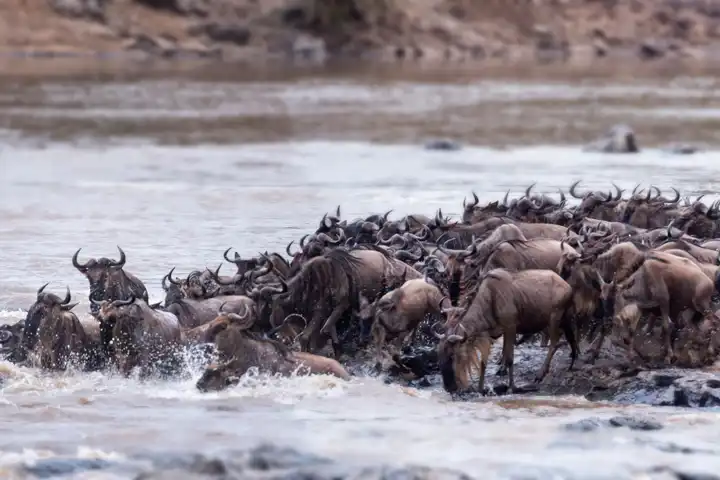
The Top 5 African Safari Experiences
We've curated a list of the top African safari experiences from seeing the Big Five to the witnessing the Great Migration that you won't want to miss.

The Ultimate Gourmand’s Guide to Germany
During the last decade, Germany’s culinary scene has blossomed, making the country one of Europe’s most exciting foodie destinations.
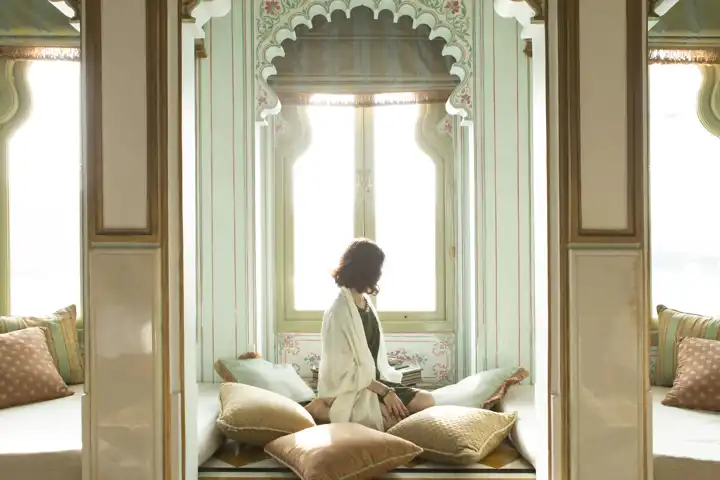
Ker & Downey's Staff Picks Their Favorite Trips
Want to travel someplace new, but don’t know where to go? Look no further than our worldwide roundup.
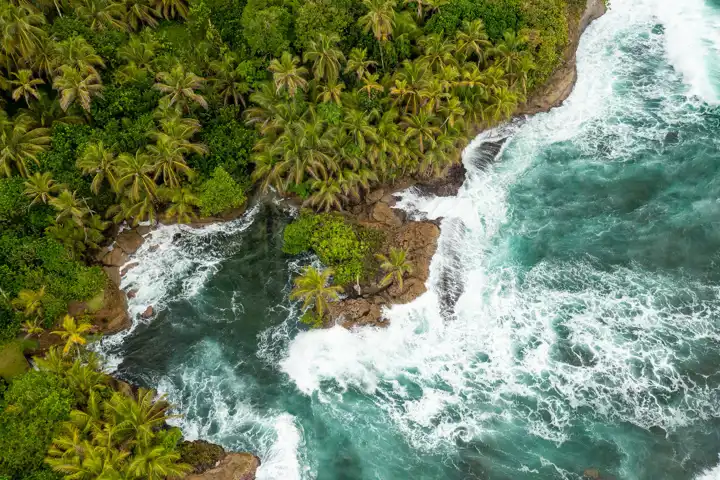
Long Layover in Panama - Stopover Panama
The Stopover Panama campaign allows travelers to spend up to seven days in Panama without paying for an extra ticket. The "Hub of the Americas" lives up to it's name.
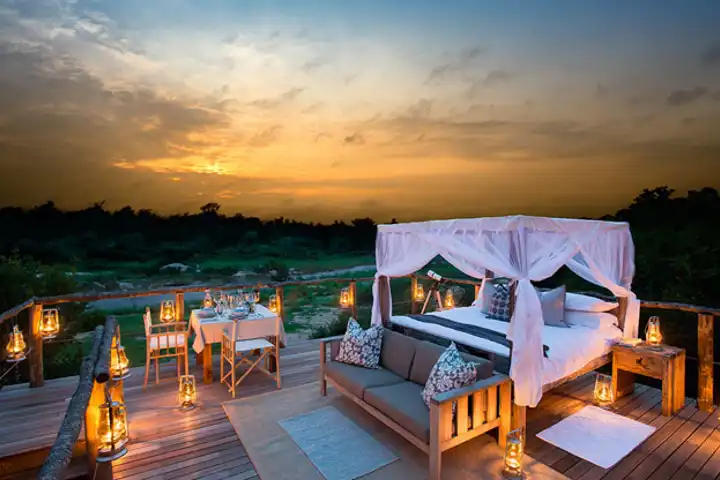
12 of the Best African Sleepouts for Stargazers
With luxury treehouses, elevated sleep out decks, and star beds attached to your suite, there’s a stargazing experience here for everyone.

Romantic Experiences for Two
Romance is in the air. In celebration, Ker & Downey has compiled a list of our favorite romantic experiences for two around the world.
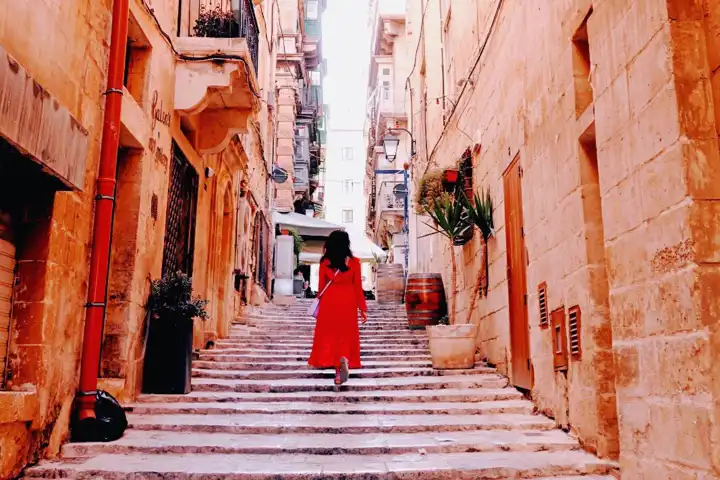
Valletta Travel Guide
Rina Chandarana explains why Malta's capital Valletta is a city on the sea you need to see. Consider this your ultimate Valletta Travel Guide.
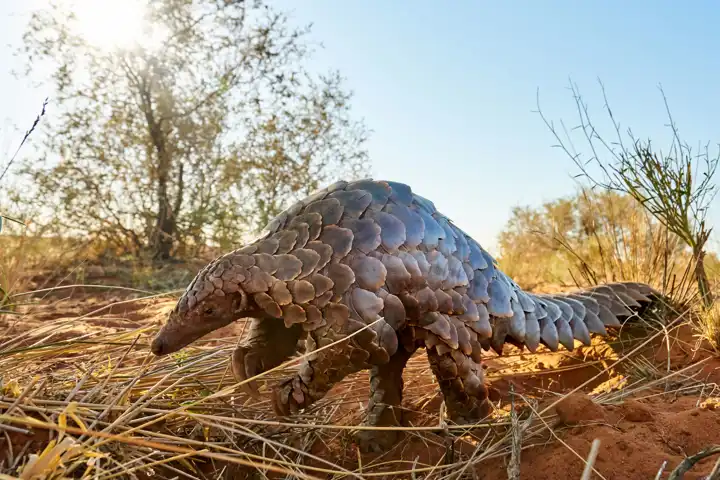
The Pangolin: What It Is and Where to Find It
The pangolin is an elusive creature. We've rounded up 5 places to increase your chances of spotting the pangolin in Africa.
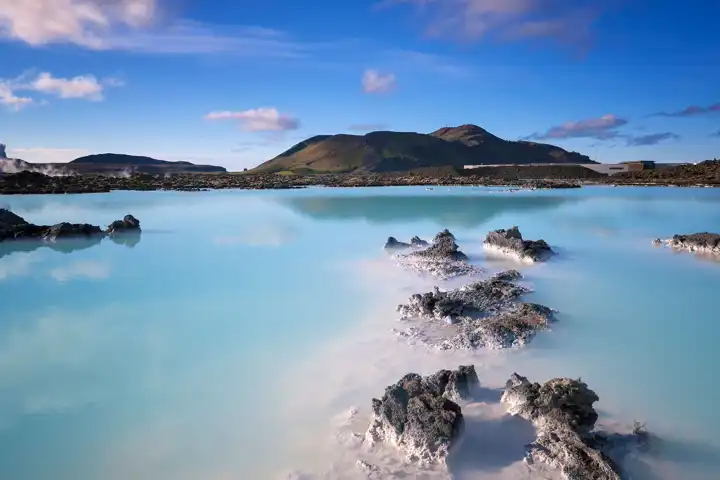
The Bluest Places on Earth
Dive into Ker & Downey's list of the bluest places on earth, from land-based handcrafted experiences to under-the-sea adventures.
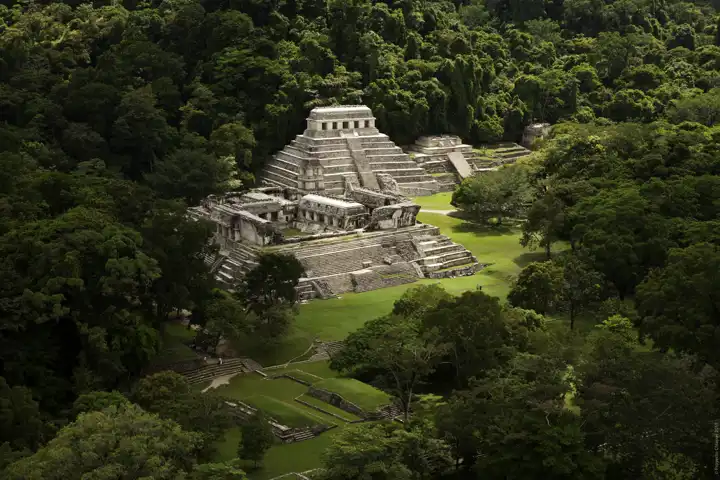
Hidden Kingdoms
Product Manager Elizabeth Frels uncovers a rich Maya history deep in the heart of Mexico.
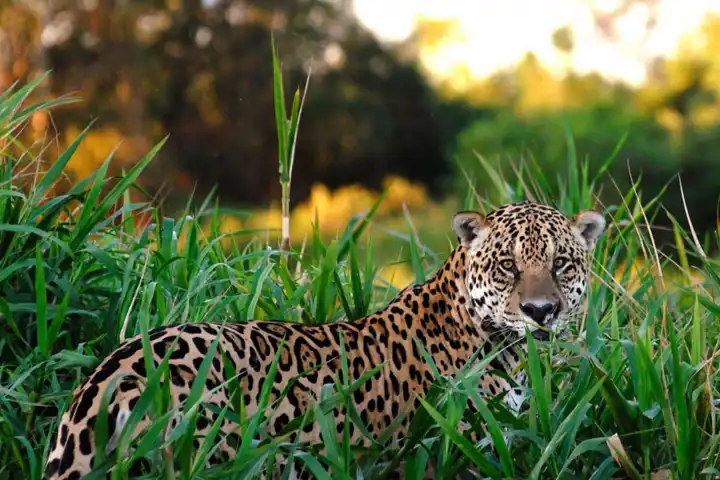
Top Safaris Around the World
Safaris aren’t just for the African bush. We’ve rounded up some of our top safaris around the world to inspire your next Ker & Downey journey.
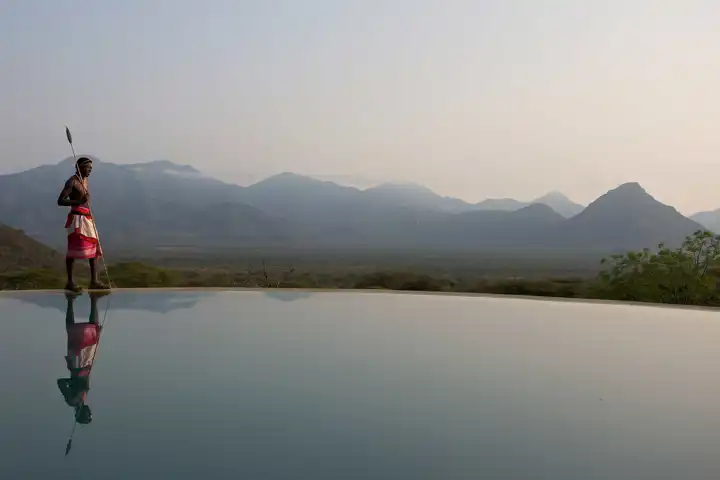
The Singing Wells
Travel to Kenya and the remote Namunyak region, the only place in the world to see centuries-old Samburu traditions at the singing wells.
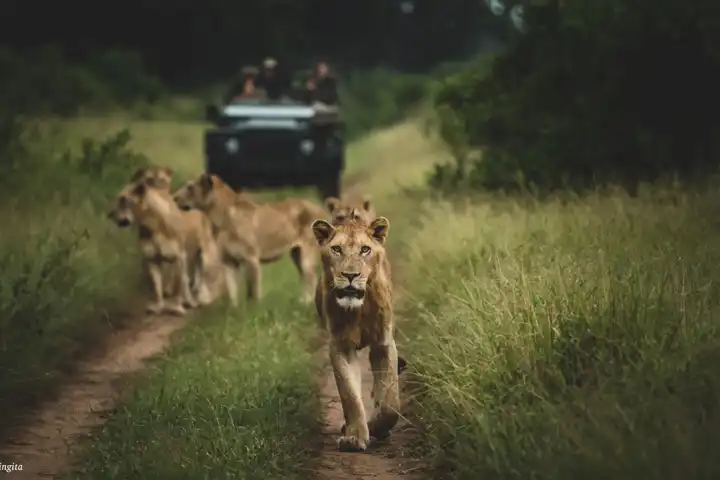
The Most Read Blogs of 2019
Here’s what you read the most of in 2019. Which story was your favorite?
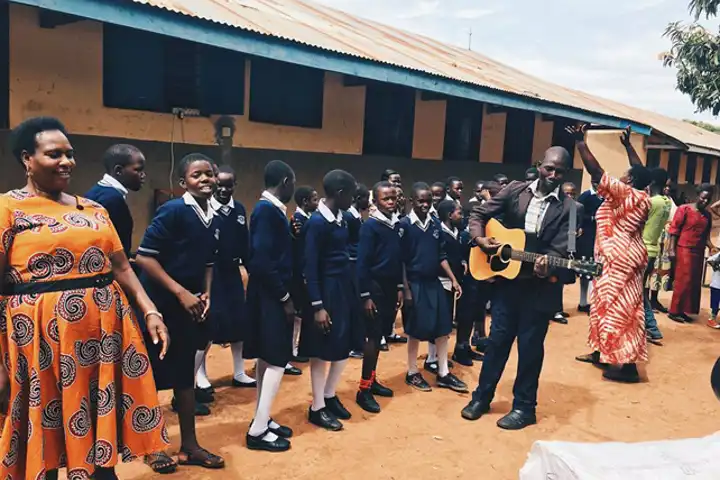
Greg’s Ker & Downey for Africa 2019 Trip
Ker & Downey’s Greg Jackson shares his experience from traveling to Uganda with the Ker & Downey for Africa 2019 team.
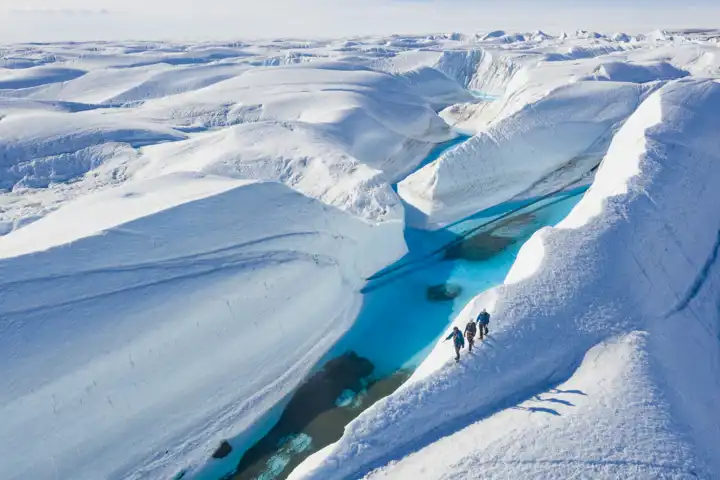
Frozen Locations to Visit
Baby, it's cold outside... but that's not stopping us from wanting to travel to some frozen locations inspired by the movie Frozen 2.

The Perfect Stocking Stuffers for Travelers
Searching for a gift for the jet-setting wanderer in your life? These great stocking stuffers for travelers have been hand-picked by Ker & Downey experts.
Holiday In The Wild: Elephants, Romance, and Conservation
Settle in for a feel-good flick that will leave you longing for a safari for two.
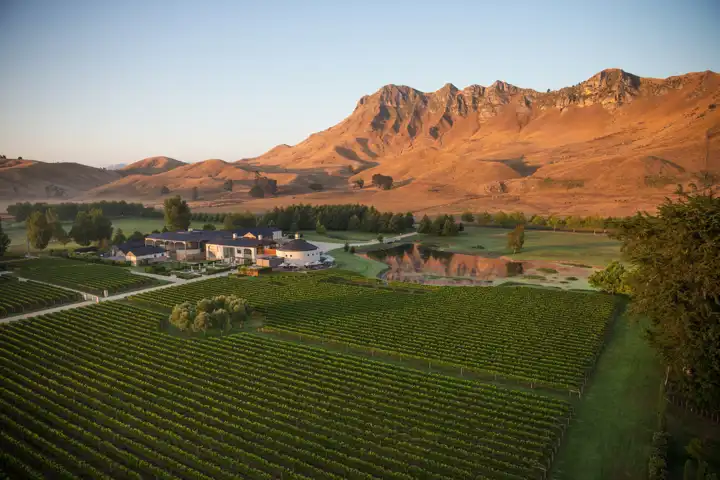
What to Eat in New Zealand: A Foodie's Fortune
Where to go and what to eat in New Zealand for the tastiest time in Kiwi country.
The Best Travel Gifts for Kids Who Love to Explore
Do you have a little traveler in your family? We've rounded up a list of the best travel gifts for kids who love to explore the world.
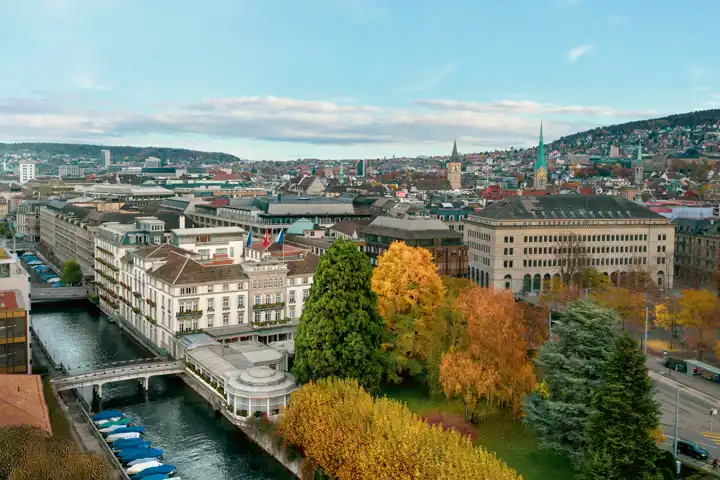
Baur au Lac
At Baur au Lac, tradition meets modernity in one of Europe's most sophisticated cities.
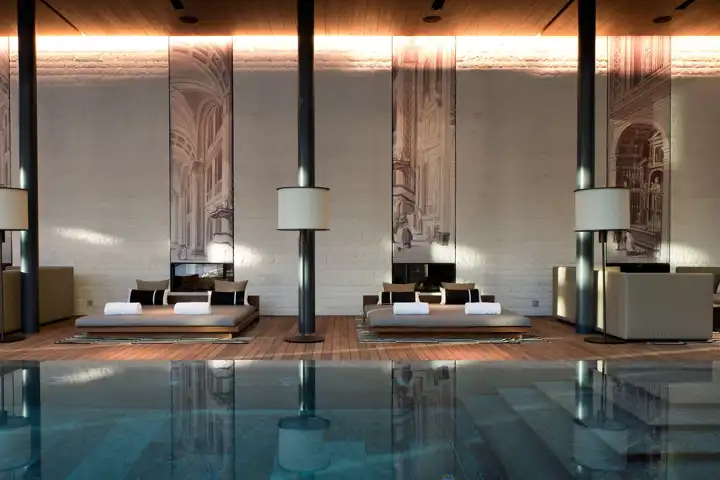
The Chedi Andermatt
Nestled in the heart of the Swiss Alps, The Chedi Andermatt combines both modern luxury and Alpine chic charm.
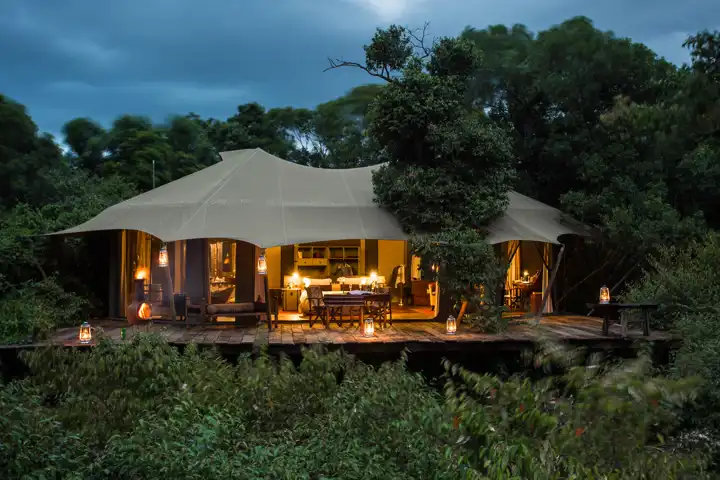
Luxury Tented Camps Around the World
We’ve rounded up 13 of the most stylish luxury tented camps around the world — no bedroll required.
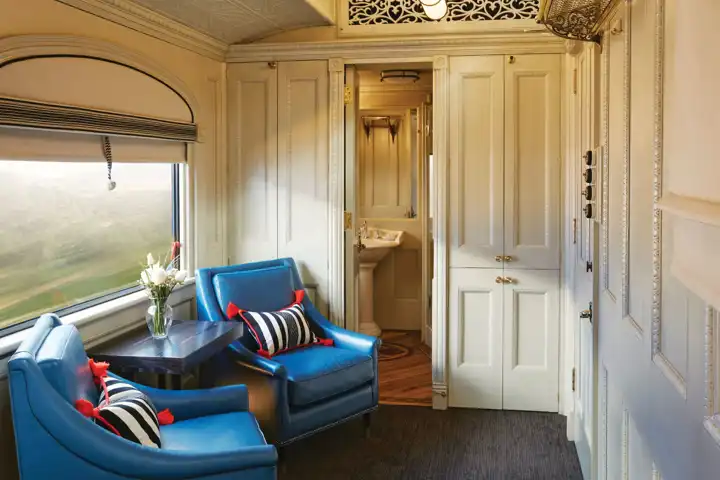
Belmond Andean Explorer
The Belmond Andean Explorer luxury train transports up to 48 passengers through the vibrant cities and natural wonders of Peru on one or two night itineraries.
Explore Ranches
Ker & Downey partners with Explore Ranches as a new way to explore some of the most pristine, privately held land in the United States.
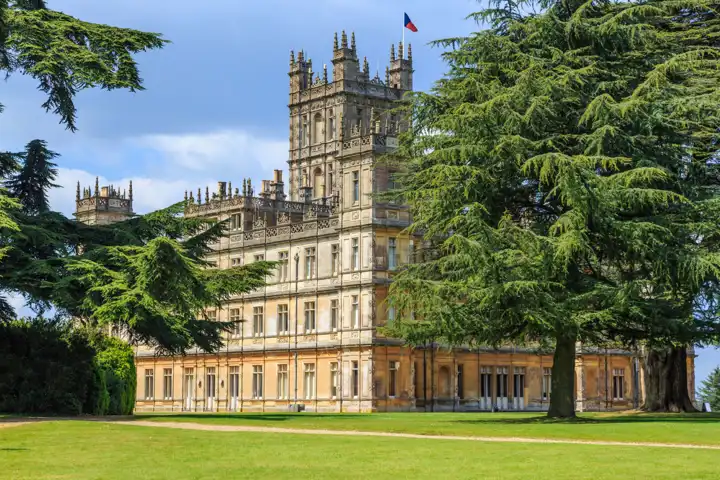
How To See The Real Downton Abbey
A Downton Abbey tour with Ker & Downey allows you to explore various parts of the United Kingdom on your own private journey.
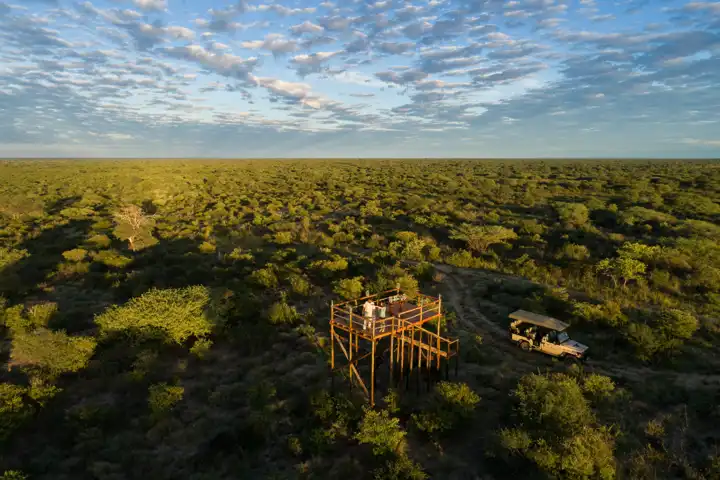
Where to Go on Safari to Avoid the Crowds
Where to go on safari to avoid the crowds. These four locations, Ker & Downey favorites, are sure to be a hit!

All I Want for Christmas
Spanning France, Belgium, Germany, and Austria, some of our favorite European Christmas markets are those found off the beaten path.
Ring in the New Year
In these exciting locations across the globe, the new year starts with a bang, and our exclusive and unique experiences for New Year’s Eve keep the party going.
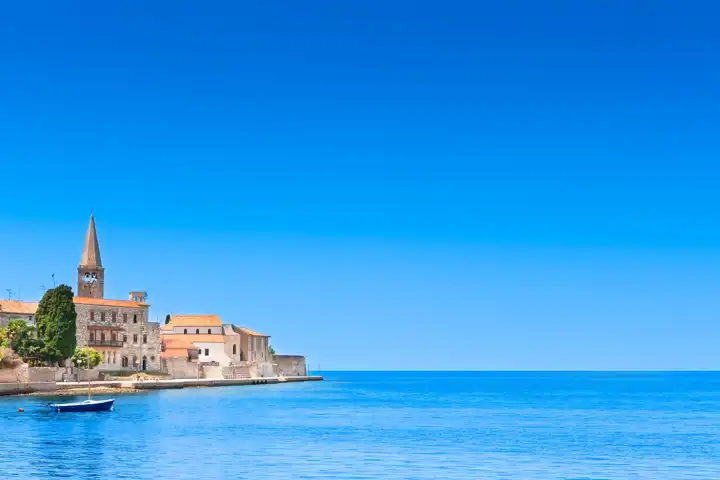
Senses By the Sea
There were many pleasant surprises for Ker & Downey’s Stephanie and Tess on a life-changing (and mouthwatering) trip to Croatia.

Visiting South Korea with Ker & Downey
What you shouldn't miss when visiting South Korea. Ker & Downey's Vanessa Niven shares the highlights from her trip to South Korea.
A River Runs Through It
A Mekong luxury river cruise to explore Vietnam, Cambodia, and Laos is a great addition to any Ker & Downey custom and tailored itinerary.
Inspiring Israel
Israel feels like geographical & spiritual center of the world. Travel to Jerusalem and beyond with Ker & Downey.
Zanzibar Beaches and Safari
After spending time in the bush, switch gears by heading to the Zanzibar beaches for a few days of beachside luxury and serenity.
Hot to Trot: Great Plains Conservation
Taking a holistic approach to responsible tourism, the Great Plains Conservation safari camps remain among our favorites.

Visit Europe - Six Unique Ideas
With 44 countries in Europe, travelers have plenty of choices. Here are a few unique ideas for your next trip.
Shark Cage Diving: Frequently Asked Questions
Shark cage diving is one of the most thrilling—and unpredictable—travel experiences in the world. We are answering FAQs regarding shark cage diving off the Western Cape in South Africa.
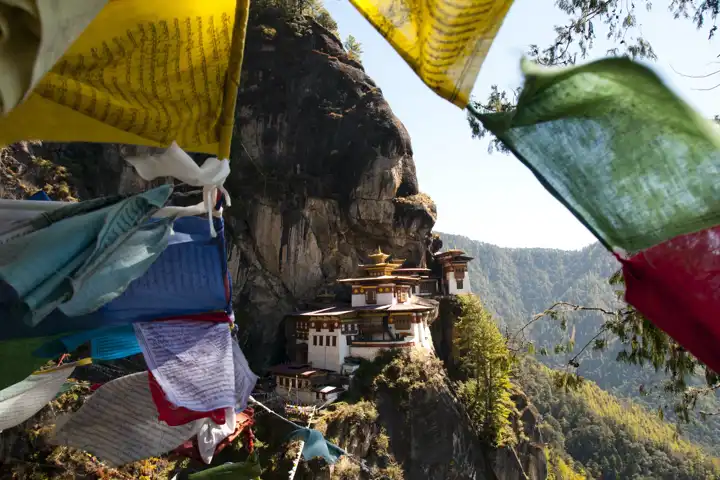
A Journey to Nepal and Bhutan
Ker & Downey Designer Catherine shares highlights and tips from her journey to Nepal and Bhutan.
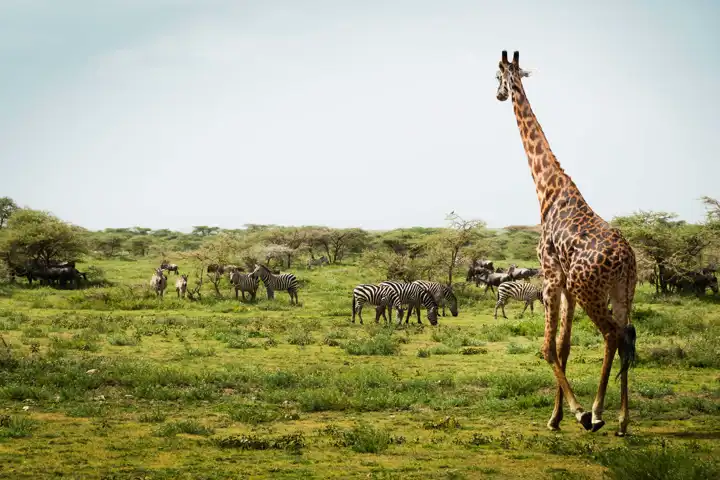
Where to Go on an African Safari in January
When the weather gets dull and dreary in January, there's several places in Africa you can visit to escape the doldrums.
The Lion King: an African Fantasy
Some very real places played a part in the development of The Lion King, and they are sure to inspire you to see the true African wilds for yourself.
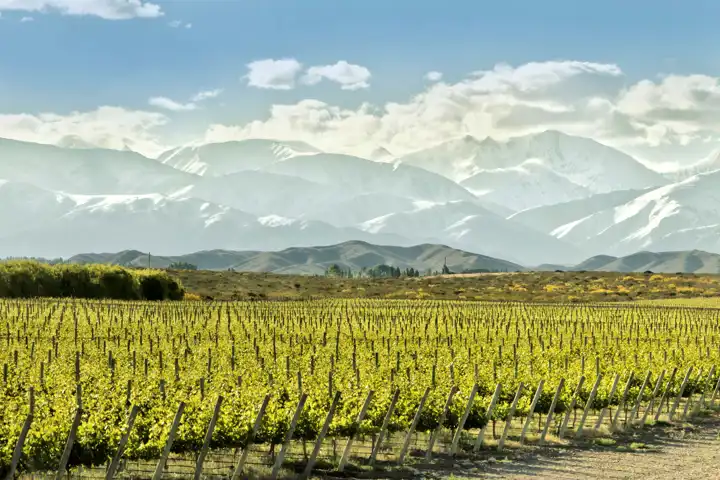
Mendoza Through the Grapevine
Take a sip by sip journey through the Mendoza wineries in Argentina, and discover much more than Malbec. As seen in QUEST magazine.
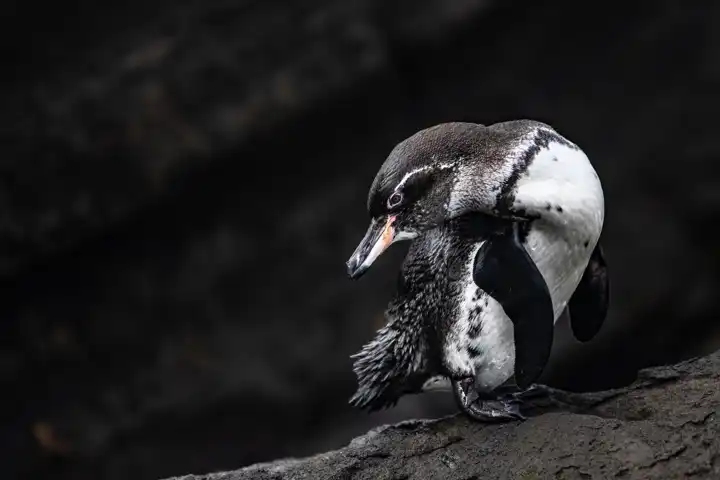
Top 10 Reasons to Travel to the Galápagos in the Fall
The fall remains one of the best times to visit the Enchanted Islands. Here’s why.
Where to Experience Istanbul's History
Ancient Constantinople is overflowing with sights. These are the can't-miss places where you can experience Istanbul's history.
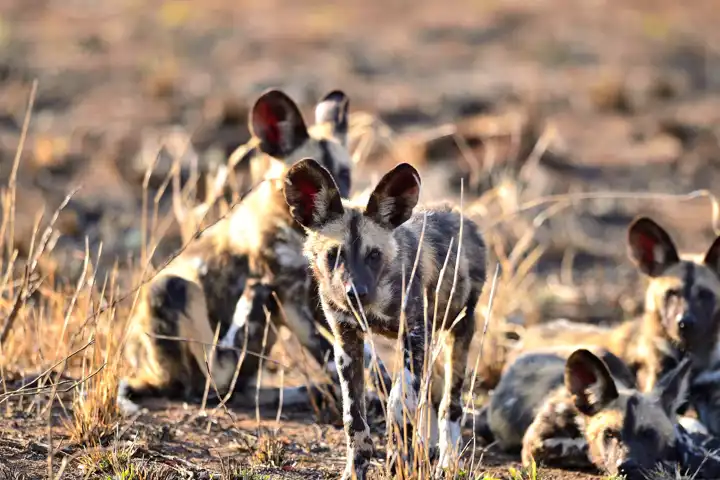
Beyond the Big Five: Bizarre Animals on an African Safari
The thrill of an African safari is the opportunity to witness wild and wonderful creatures in their natural habitats, from floodplains to fantastic grasslands. And sometimes in the midst of spotting the usual suspects, you may catch sight of something more unique.
With Gratitude: Tipping Guide for Our Most Popular Destinations
As seen in Quest Magazine, a handy tipping guide for everything you ever wanted to know about tipping, but hesitate to ask.
Four Reasons You Should Visit Bangkok with Ker & Downey
Thailand's capital has splashy rooftop pools to frenetic markets, but here are our other four reasons why you should visit Bangkok.
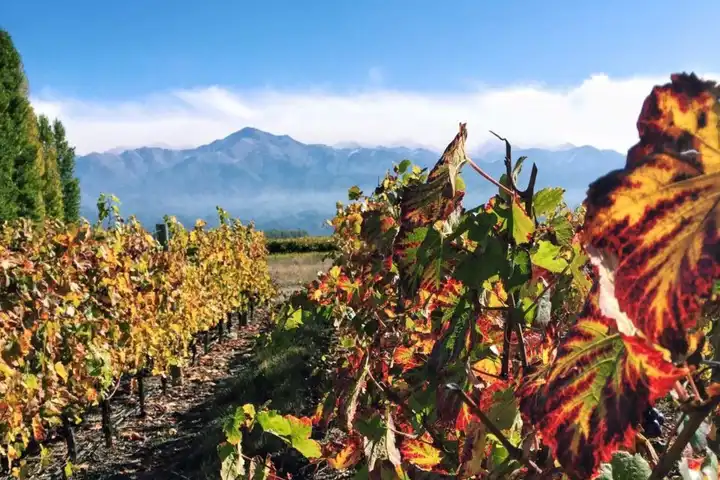
My Personal Luxury Argentina Vacation
Product Manager Elizabeth Frels explains how she was able to personalize her own luxury Argentine vacation, the Ker & Downey way.
Island Muses
Explore Greece without the crowds, off the beaten path. Ker & Downey's Elizabeth Frels shares her travel secrets with us.
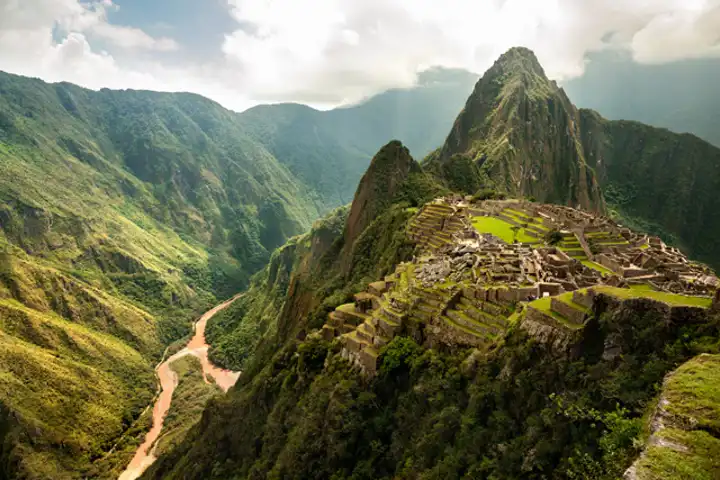
Hot Spot: Peru
Between the Amazonian rainforest and Andes Mountains — not to mention its deserts, beaches, world-class cuisine, and pisco liqueur — Peru is a superstar destination beyond its Machu Picchu fame.
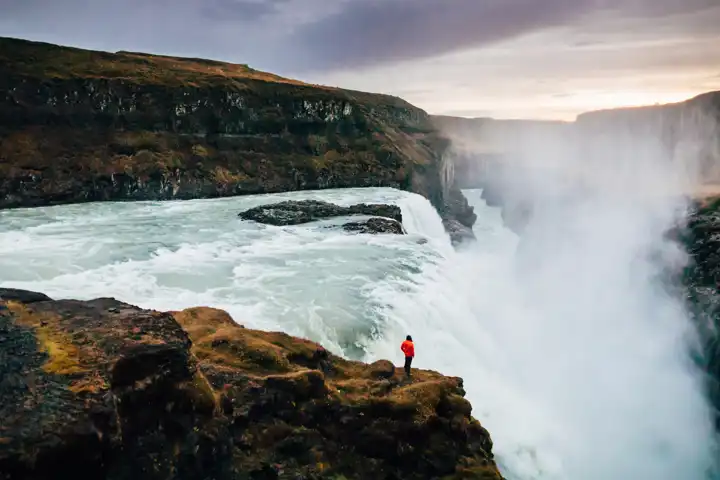
Mythical Journey: Travel to Southern Iceland
Trading in her safari attire for winter gear, Ker & Downey’s Nicky Brandon travels to southern Iceland, the Land of Fire and Ice.
Traveling to Cuba with Ker & Downey
The advantages of traveling to Cuba with Ker & Downey: Everything you need to know about Ker & Downey's Support for the Cuban People programs to Cuba.
Sustainable Style: The Cayuga Collection
Find smart luxury close to home. We uncover a true ecological leader in the sustainable luxury hotels of the Cayuga Collection.

Deep Dive in Australia
Go further. Get closer. Discover Australia's amazing water worlds.
Women’s Safari Packing List
Our women’s safari packing list gives you a good guideline for a 10-14 day safari in southern and eastern Africa.
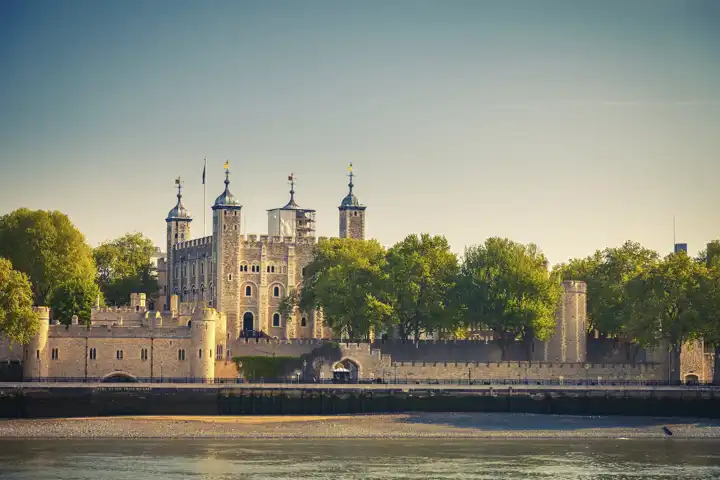
London Getaways
These London getaways prove an ideal option for those short on time but in need of some serious R&R.
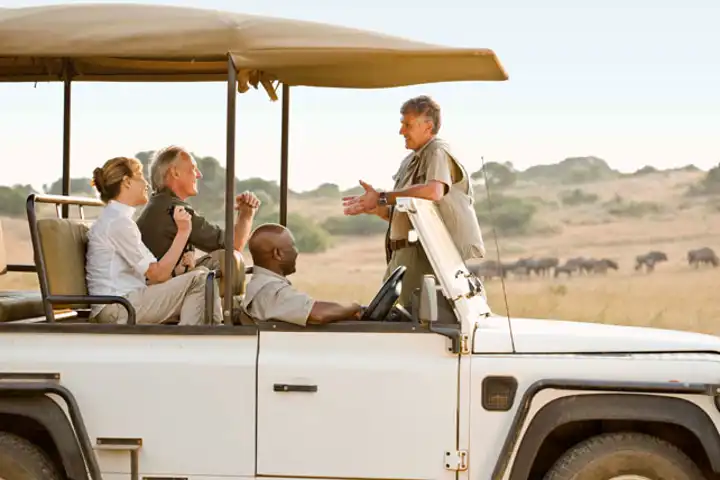
Men’s Safari Packing Guide
Here you will find our men’s safari packing list for a 10-14 day safari in southern and eastern Africa.

Worry-Free Travel for Vegetarians
By planning your trip with a Ker & Downey designer, every detail is considered, including your dietary preferences.
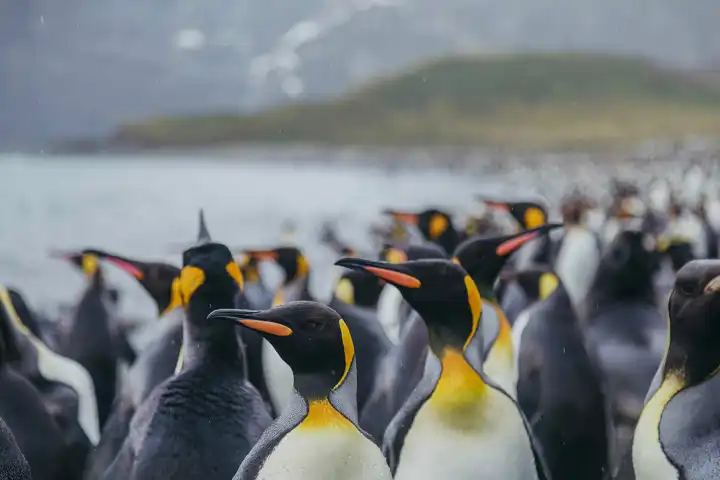
Penguins Of The World
Antarctica isn't the only place to see these sharp-dressed birds in action. Explore the many penguins of the world throughout the southern hemisphere.
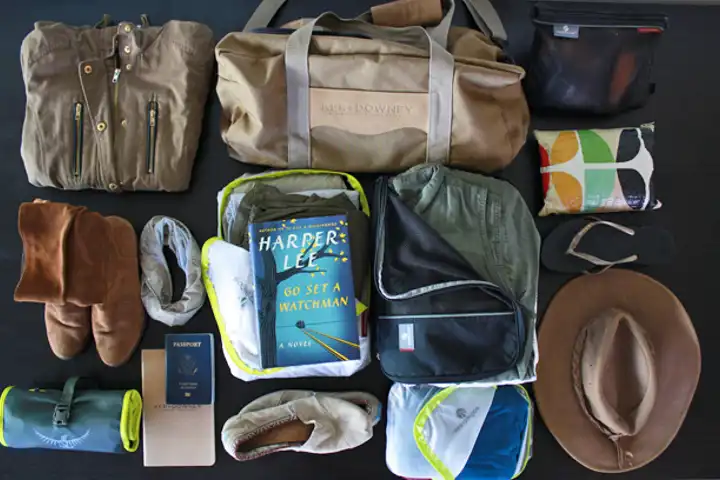
9 Packing Tips to Get You Through the Airport Quickly
In this post, our Air Department is sharing their top packing tips to make getting through the airport a breeze.
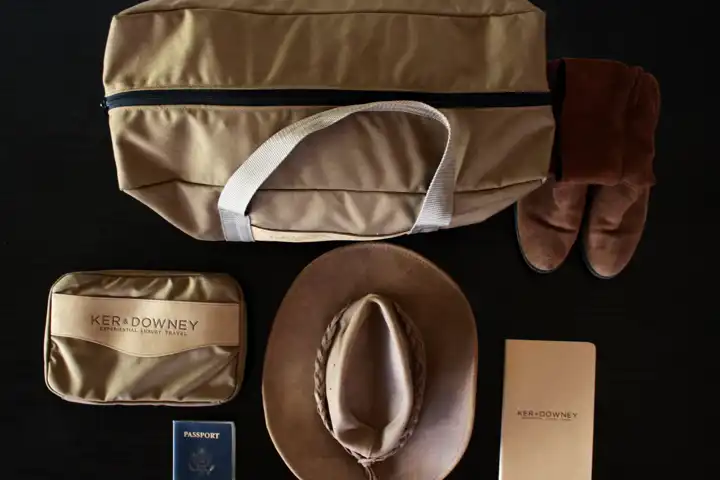
8 Pre-Trip Travel Preparations to Ensure Your Trip Goes Off Without a Hitch
Ker & Downey certainly knows a thing or two about air travel. In this air travel series, we asked our air department experts to share their top tips to make your trip go off without a hitch.
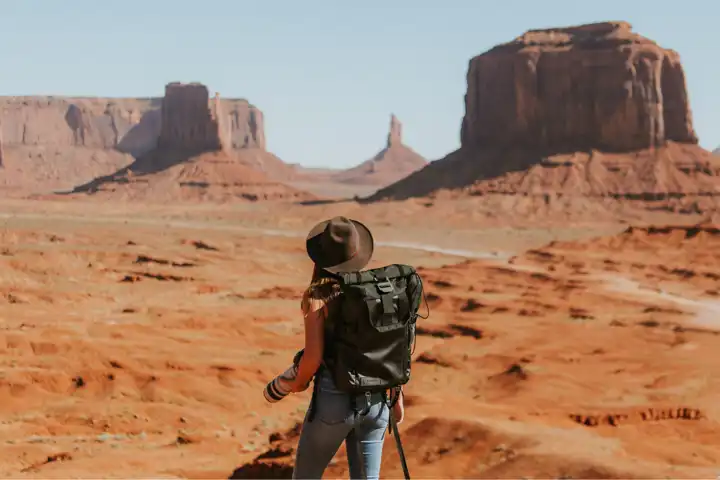
American Spas: Wander Well
These American spas are iconic destinations in their own right, and the perfect complement to rugged exploration. Nothing deepens your earth-body connection like a journey blending the best of nurture and nature. Pack your bags for an American spas getaway amid the Southwest’s celebrated natural landscapes.
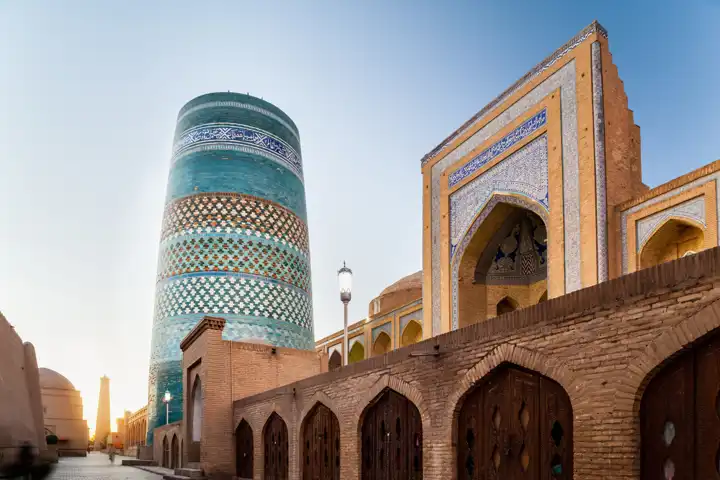
Journey to Uzbekistan: A Different World
Take a detour away from the average vacation destination and head to Uzbekistan, once the epicenter of the Silk Road. Ker & Downey designer Nicole Porto explains why you should embark on an enchanting journey to Uzbekistan.
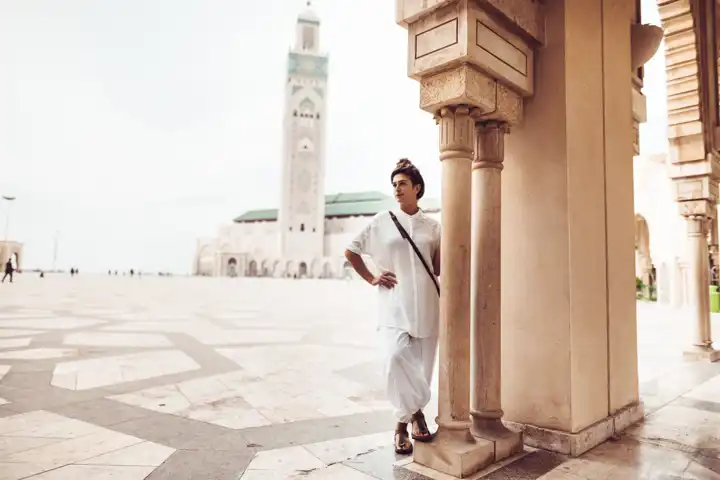
Journey to North Africa
From mountains to deserts and sea, Morocco’s geography is blessed with diversity. Its cities entice with modern museums, flavor-packed cuisine, and maze-like medinas.
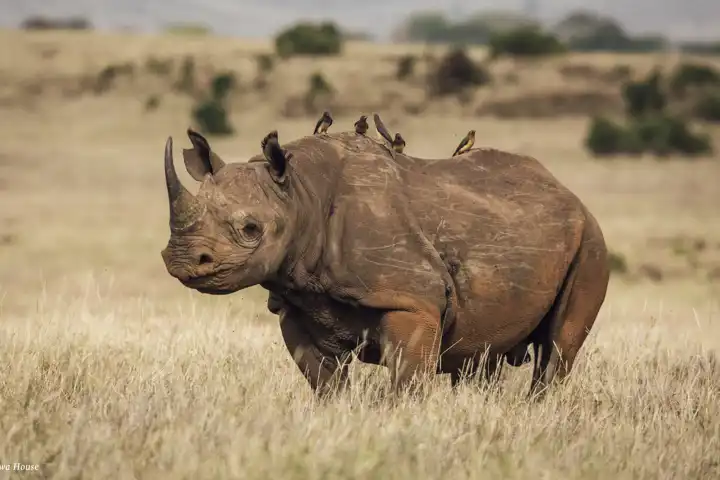
A Big 5 Safari – Where to Go
Spotting the "Big 5" on safaris can be challenging… unless you know where to look. Here are our top places in South Africa, Botswana, and Kenya to go on a Big 5 Safari.
Travel To Ethiopia: Forgotten Lands
Long overlooked by tourists, Ethiopia’s rich history, architecture, wildlife, and rugged landscapes make it a destination not to be missed. Ker & Downey’s Rina Chandarana tells us why you should travel to Ethiopia.
Gorgeous Green Spaces
Take a walk in the park and consider including one of the world’s most gorgeous green spaces to your next custom journey.
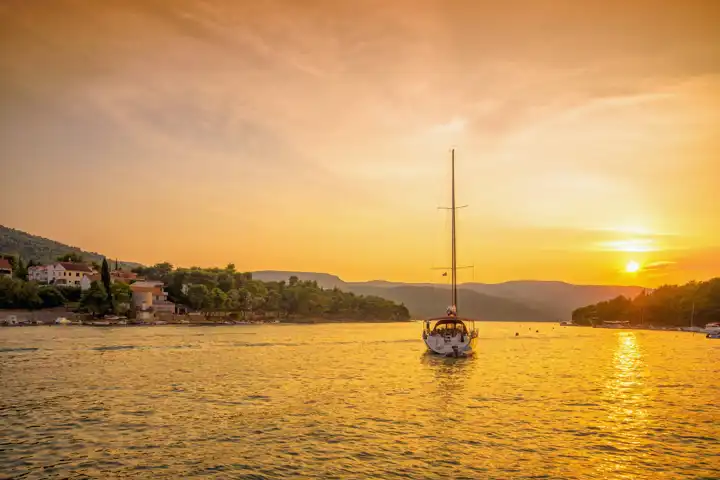
Top 10 Croatia Experiences
Ker & Downey presents the very best Croatia experiences, many of which are only available by booking with Ker & Downey.
Aladdin-Inspired Adventures
Our journeys throughout the Middle East, North Africa, and Central Asia showcase a treasure trove of Aladdin-inspired adventures; hop on a carpet and fly with us to explore them all.
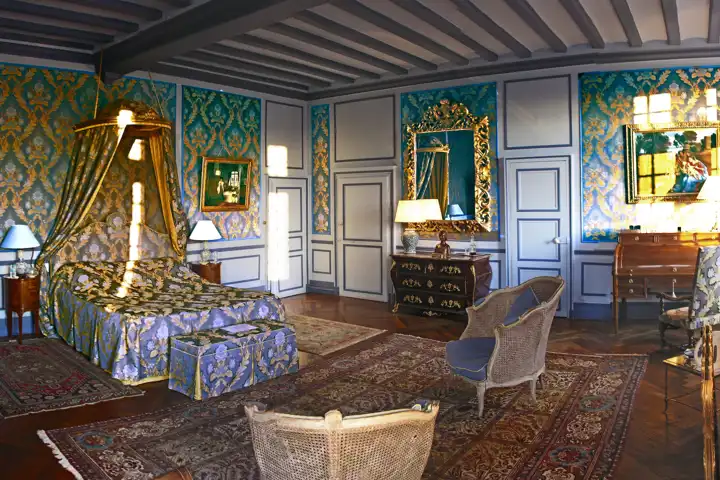
Vintage French Luxury
Experience vintage French luxury in the heart of one of the most romantic destinations in the world.
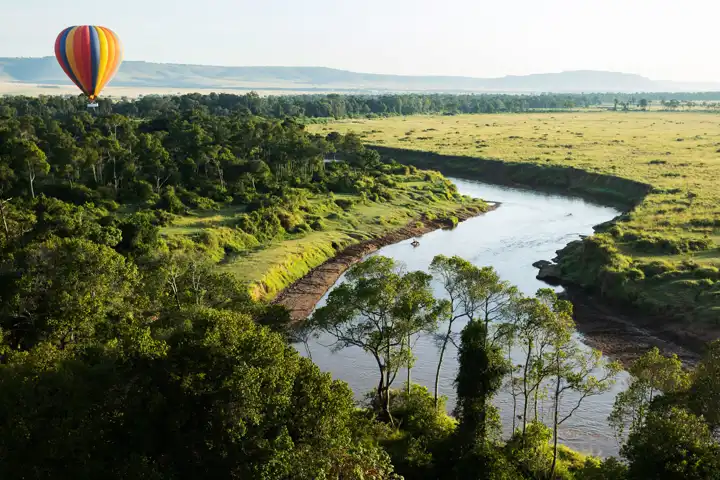
A Kenya Safari During the Short Rains
If you approach a safari in the “short rains” season with a sense of flexibility and adventure, you’ll be rewarded with memories to last a lifetime.
Where Would Charles Darwin Travel Today?
We're taking a look at his historic journey on the HMS Beagle and imagining where he might adventure today.

Island Life
This string of African islands just off the coast are loaded with history, culture, wildlife, and loads of postcard-perfect beaches to rival any of the world's best.
Truffle Hunting Around the World
Join Ker & Downey on a journey to find the best places to hunt for truffles, wild plants, and other natural goodies around the globe.

Starstruck: Where the Celebrities Stay
We can help you feel like a star by planning a celebrity-style trip to one of these hot spots where the famous jetset have stayed.
Wellness Journeys Around the World
Feel immersed in serenity and good health at these wellness retreats around the world, where there is nothing on the agenda except relaxation.
Picture Perfect: How to Photograph Animals
An interview with award-winning photographer and QUEST contributor Mark Edward Harris on how to photograph animals, whatever your skills.
Where You Should Spend Next Christmas
Round up the family and head off to this region, where you’ll find timeless treasures to captivate all ages.
Quick Trip: Guatemala
Five days in Guatemala will only scratch the surface of all there is to see and do, but for a quick getaway from the States, it is an ideal destination.
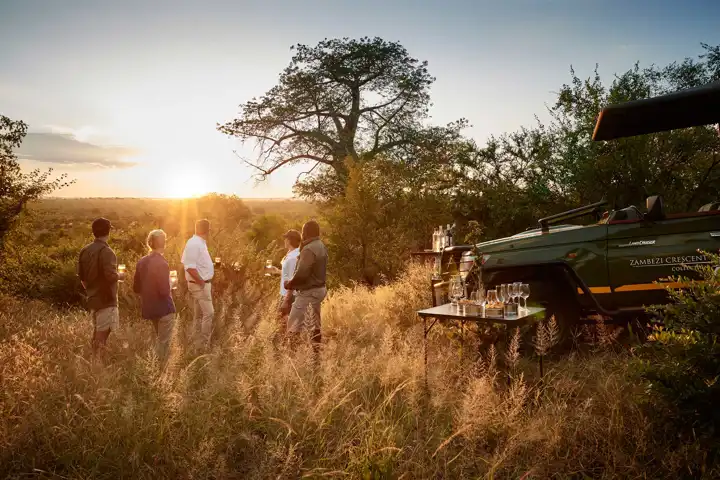
Africa's Safari Darling: Why Zimbabwe Should Be Your Next Safari
With incredible natural beauty, exceptional wildlife variety and some of the friendliest people on the planet, Zimbabwe offers an unrivaled safari experience at a fraction of the cost of its neighboring countries.
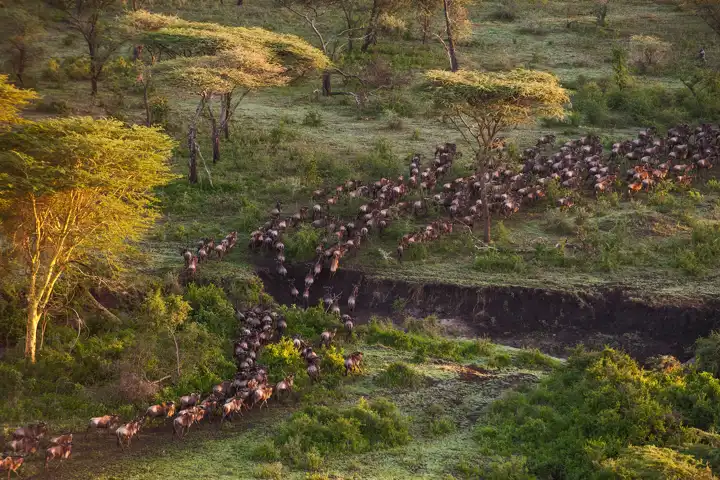
Calving Season in the Serengeti
Witness calving season in the Serengeti, where thousands of wildebeest are born each day.

Here’s Why you Should Travel to India for Diwali
Diwali illuminates India every year with color and celebrations. The festival is deeply rooted in several Hindu stories that are exuberantly brought to life across the country in many ways. Here's why you should travel to India for Diwali.

Land of the Morning Calm: What to See and Do in South Korea
History, culture, and kimchi: visiting South Korea offers something for everyone. Here's our guide to what to see and do in South Korea.
Visit the Middle East and North Africa
Travel to the Middle East and North Africa is within easy reach with Ker & Downey. These are just four countries that we feel you should visit while the crowds are light.
Unique Costa Rica Travel Ideas
Ker & Downey offers unique options to jump-start your journey to this Latin American haven.
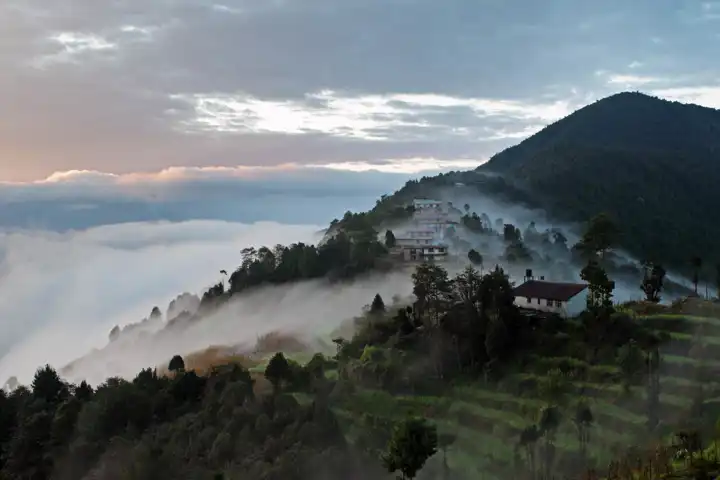
Asia 2019 Travel – Where To Go Next
We are sharing our Asian travel bucket list with you now so that you can get a head start on planning a journey.
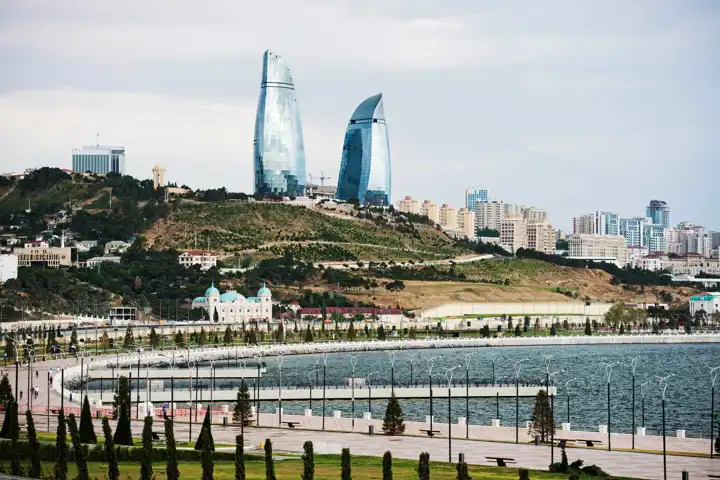
Where to Go in 2019
With so many countries to choose from, planning a trip is challenging. At Ker & Downey, we are on top of where to go in 2019.
Why You Should Travel to Uruguay
After her recent visit to Uruguay, Ker & Downey’s Tiffany DeSalvo shares why the country should be next on your travel bucket list.
7 Destinations Better than Vegas for your Next Mancation
Let’s skip the Vegas vacation, guys. Here are seven better destinations for your next mancation.
The Best Destinations For Your Next Girl’s Trip
Pack your bags, girls. Here is Ker & Downey’s ultimate guide to the top Insta-worthy destinations for your next luxury girl’s trip.
Where to See the Best Street Art
You don't always have to head inside a museum to see some of the most interesting and inspiring art.... look at colorful street art displays in these world-class cities.
Responsible Tourism on a Tanzania Safari: Sustainable Properties in Tanzania
Tanzania’s call of nature is strong. We keep coming back to this east African gem for its superb safaris and decadent properties. When you’re planning your Tanzania safari, consider these sustainable properties in Tanzania.
Singita Grumeti Reserve: A Year-Round Safari Destination
Located in northern Tanzania, the 350,000-acre Singita Grumeti Reserve is a vital part of the Serengeti Mara ecosystem. Take a closer look at the Singita Grumeti Reserve luxury lodges.
Visit Kerala, God's Own Country
There’s a reason why the people of Kerala, India’s southwestern state, call it “God’s Own Country.” Find out why we think you should add it to your journey to India.
Planning a Romantic Luxury Brazil Honeymoon
Here are Ker & Downey’s top recommendations for a luxury Brazil honeymoon.
Why You Should Travel to Rwanda
Rwanda might be small in size, but it is big on wildlife, rolling green hills and welcoming people. Add to that the chance to witness history as the country forges ahead on a new path, and travel to Rwanda has an even deeper significance.
Seven Reasons Why You Should Take a Trip to Nicaragua
Picture-perfect beaches, colonial towns, lush rainforests, and an interesting local culture... Here's why Nicaragua should not be overlooked.
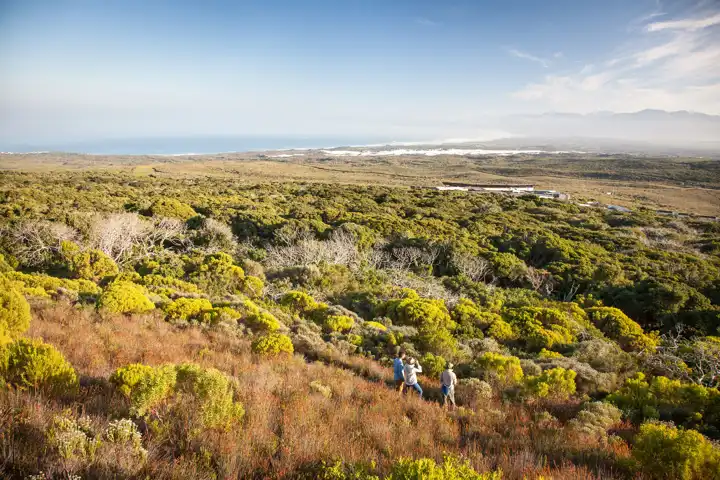
Sustainable Properties in South Africa
With a diversity of city life and superb safaris, South Africa is a must on any African travel bucket list. These are our favorites of the top sustainable properties in South Africa.
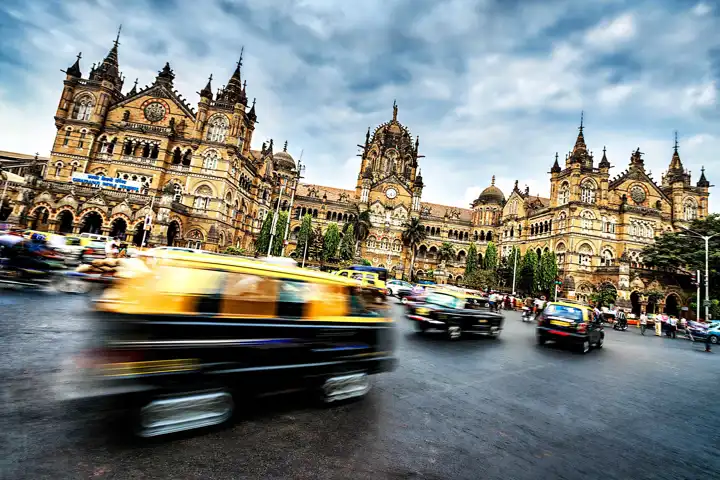
Mumbai: India’s Must-See City
Mumbai is a fantastic, frenetic fusion of masala (spices), mendhi (henna), and masti (merry making). Glitz and glamour, traditions, and tasty street food are just some of the things that your senses will experience.
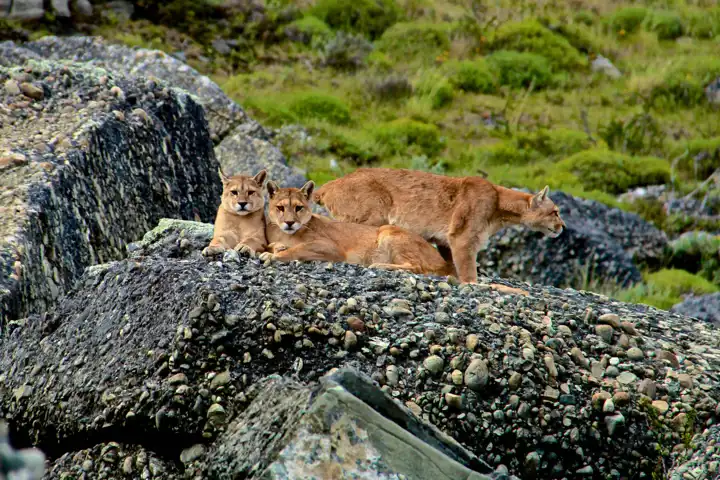
Patagonia’s Big Five
Almost 500 species of animals inhabit Patagonia. Of all of them, the Patagonia Big Five represent the most sought-after wildlife encounters in Chile’s Torres del Paine National Park.
The Good Trip - Responsible Tourism in Africa
Responsible tourism in Africa - these six luxe safari lodges offer dream vacations with purpose.
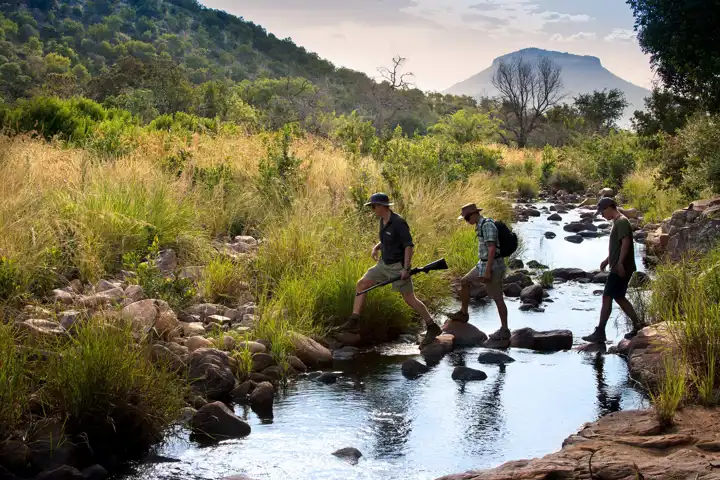
The Top Walking Safaris in Africa
Sometimes the best way to see Africa’s raw beauty is to get as close as you can to it. These top walking safaris in Africa highlight some of the wildest places to march on foot.
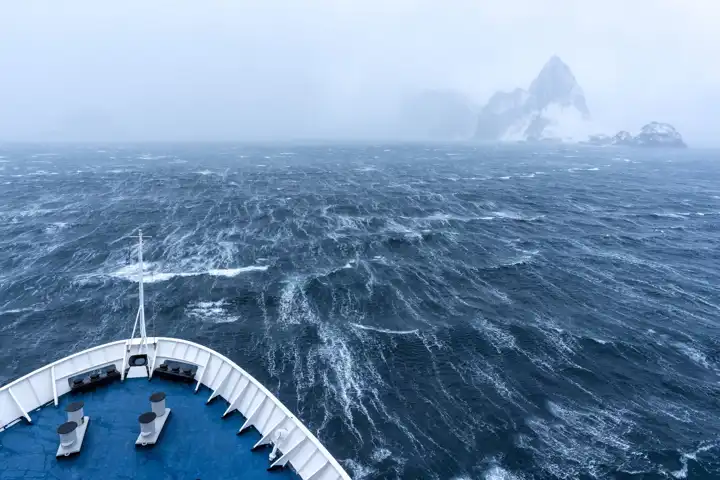
Due South: An Antarctica Honeymoon
Is an Antarctica honeymoon the stuff luxury honeymoon dreams are made of? Austin Mann and Esther Havens Mann find out on their cruise with Quark Expeditions and Ker & Downey.
Underwater Adventures: The Top Spots for Snorkeling
Our top spots for snorkeling bring you a myriad of vibrant corals and a rainbow of multi-hue fish adrift in warm seas in exotic locales.

Journey to Japan
Join Ker & Downey on a fascinating Japan luxury tour spanning north to south from Hokkaido to Tokyo.

Black Panther Locations that Inspire Africa Travel
We’re taking a look at the way Africa was reimagined in Black Panther locations and characters. These sites and experiences should definitely go on your travel list.
One Thousand and One Nights: From Iran to India
Travel with Ker & Downey to the places inspired by "One Thousand and One Nights."
Jack's Camp
Jack's Camp in Makgadikgadi Pans, Botswana is an eclectic and elegant permanent camp that provides guests a completely unique experience in Makgadikgadi Pans.
London Tea Party
Ker & Downey shares our top places to find the best afternoon tea in London for the traditional experience, a creative twist for children, or if you want to sip tea like a royal.

Experiencing India's Holi Celebration
Joy, happiness, and a massive cloud of color fills the air every year during India‘s Holi celebration. Here's your guide to celebrating in India.
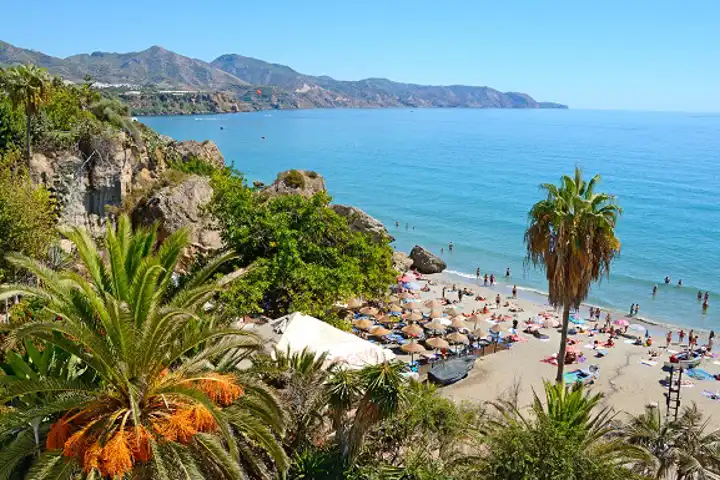
Tropical Tales: Beach Island Inspired Stories
We selected some of our favorite tales that had us dreaming of turquoise waters, white sand beaches, and snorkeling through coral reefs from Cuba to the Red Sea.
Cave Exploration
Try cave exploration around the world and discover ancient secrets. These underground caves abound with history and natural beauty, and they are all waiting to be explored.
On the Wild Side: A Guide to Tasmania
The far-flung island state of Tasmania is just 150 miles off the Australian mainland and offers unspoiled wilderness, fruitful vineyards, fascinating history and authentic Aboriginal culture. Here's our guide to Tasmania.
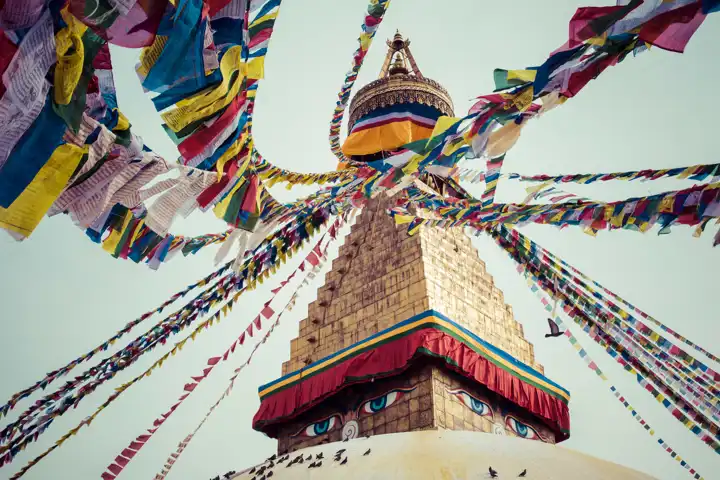
Fall Travel Guide
Pack your bags! Follow Ker & Downey's fall travel guide for inspiration on the best places to go this fall.
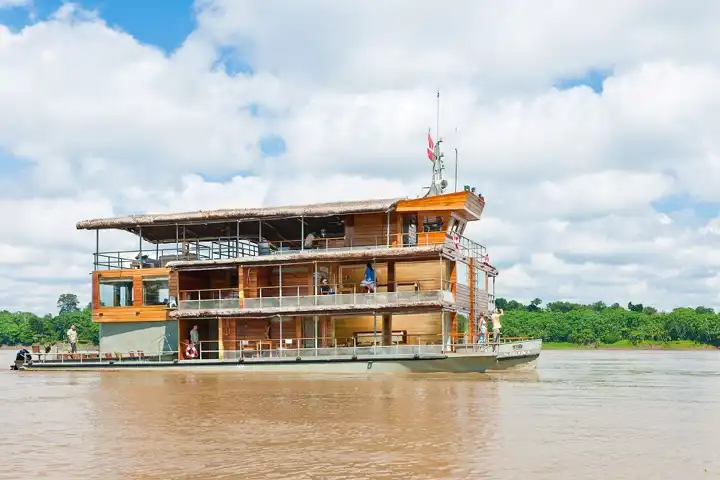
Delfin Amazon Cruises
Delfin Amazon Cruises, the first Relais & Châteaux cruise in the world, offers one of the most exclusive and immersive experiences in the Peruvian Amazon.
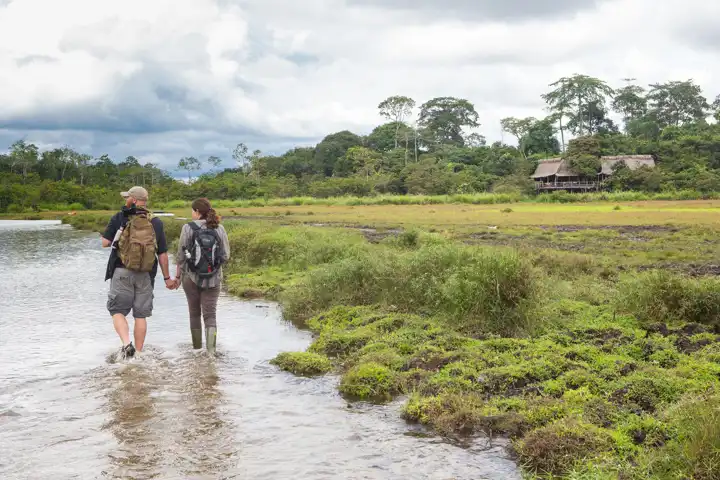
Where to go in Africa in 2018
Ker & Downey helps you narrow in on which countries to visit on your next African adventure.
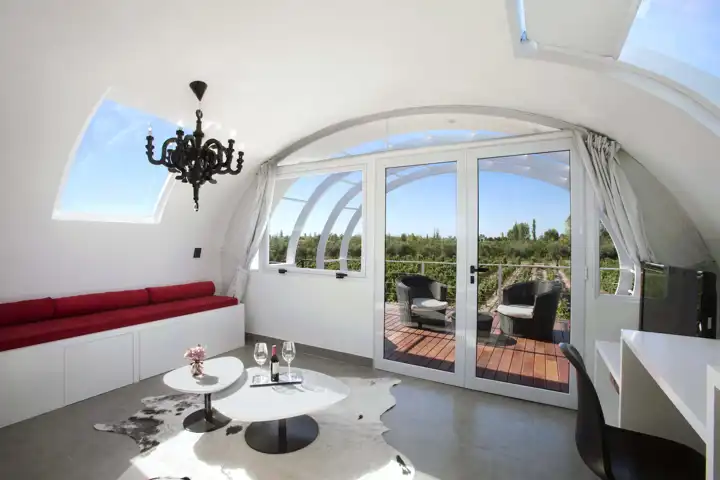
The Most Outrageous Places to Spend the Night
A little strange and definitely unique, these are some of the most outrageous places to spend the night.
Western United States Wildlife Safari
Ker & Downey designer Catherine visits some of the national parks in the Western United States in search of the American West’s best wildlife.